
The first time I attempted my family's kozhukattai recipe on my own, the dough cracked right down the middle the second I tried to shape it - no filling stayed put, no matter how carefully I pinched the edges. When my mother-in-law was visiting, she spent an afternoon walking me through exactly where I was going wrong.
I wrote down every single tip she gave me that day, and I still follow them exactly - which is why this South Indian modak recipe comes together right every single time now, no cracked dough, no filling escaping mid-steam. Follow along, and you'll skip the trial and error I went through entirely.
🔍 Quick Look: Easy Modak Recipe
- 🌍 Cuisine: South Indian
- ⏱️ Prep Time: 10 minutes
- 🍳 Cook Time: 35 minutes
- 🕒 Total Time: 45 minutes
- 👥 Servings: 10 Modaks
- 📊 Calories: ~ 181.57 kcal per serving (based on nutrition panel)
- 🔥 Cook Method: Stovetop
- 👩🍳 Flavor Profile: Sweet, soft and spongy
- ⭐ Difficulty: Moderately simple
Jump to:
- 🔍 Quick Look: Easy Modak Recipe
- What Is Kozhukattai
- Bringing Back Traditional Kozhukattai for Ganesh Chaturthi
- Why Make It
- 🧾 Ingredients Needed
- 🔪 How To Make Kozhukattai
- 🍽 Serving Suggestions
- Traditional Ganesh Chaturthi Menu
- 💭 Priya's Recipe Tips
- 📖 Modak Recipe FAQs
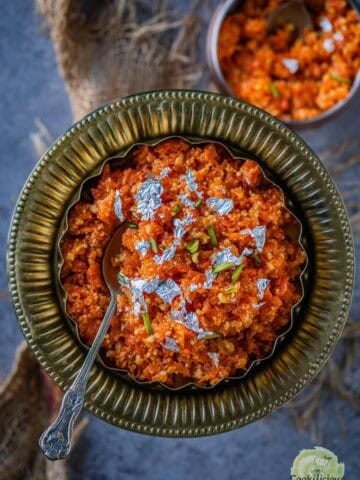
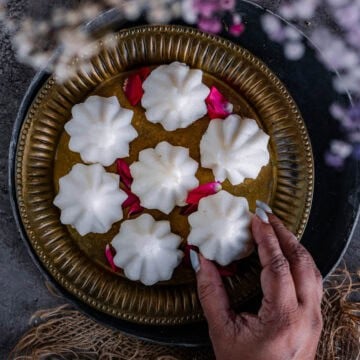
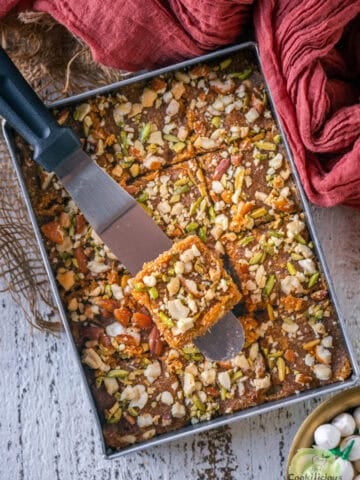
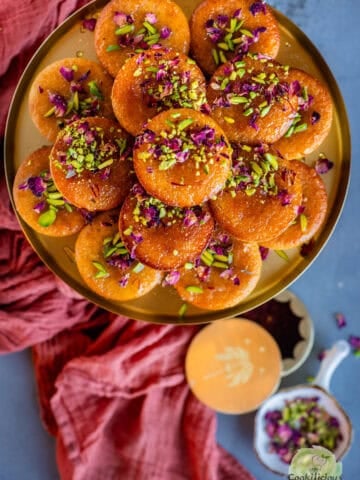
- More Easy Traditional Indian Sweets
- Recipe 📖
What Is Kozhukattai
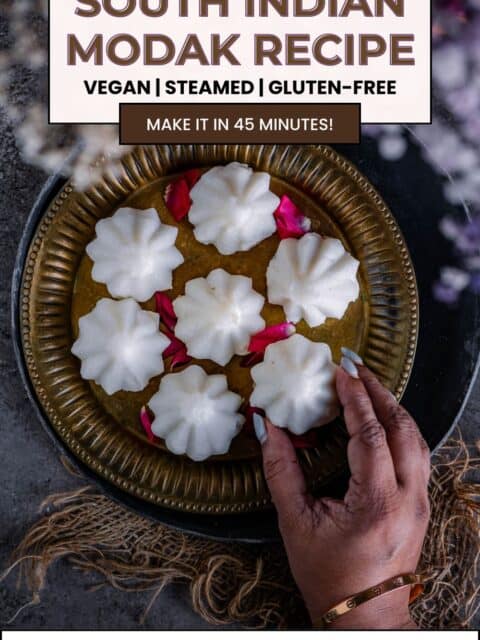
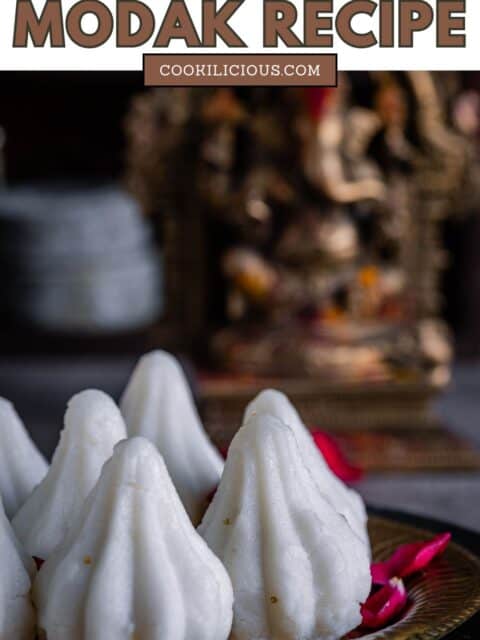
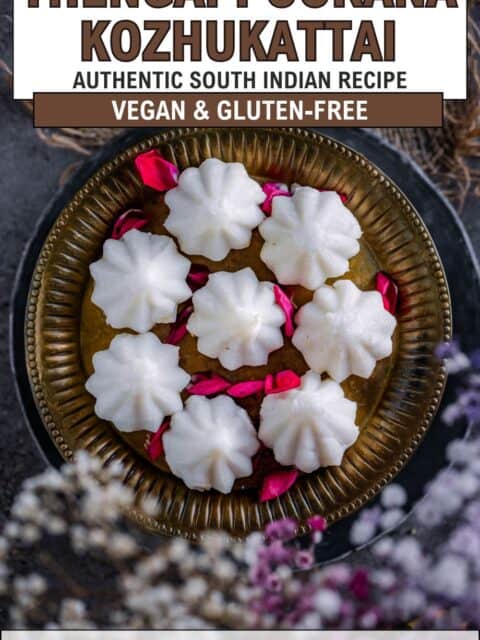
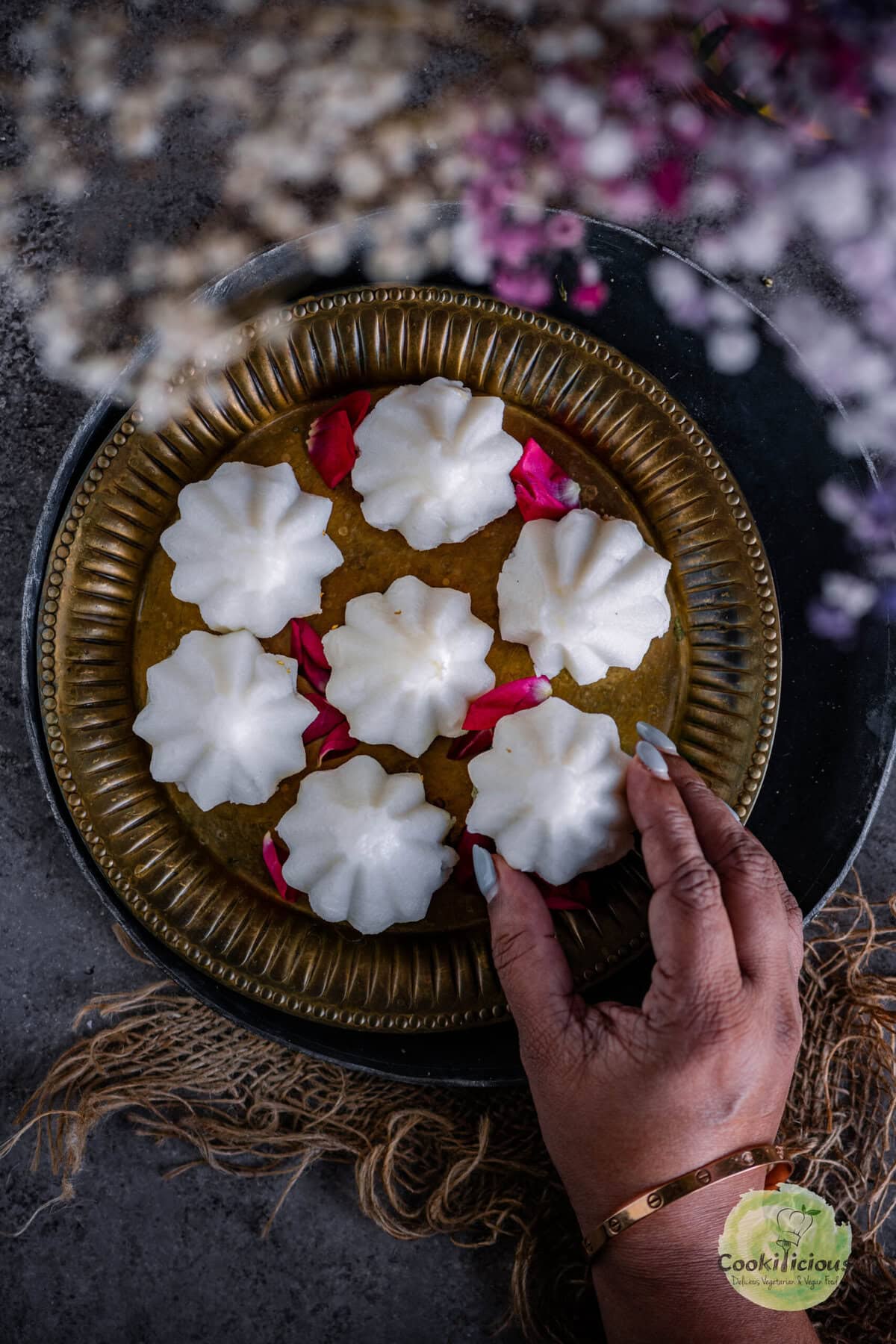
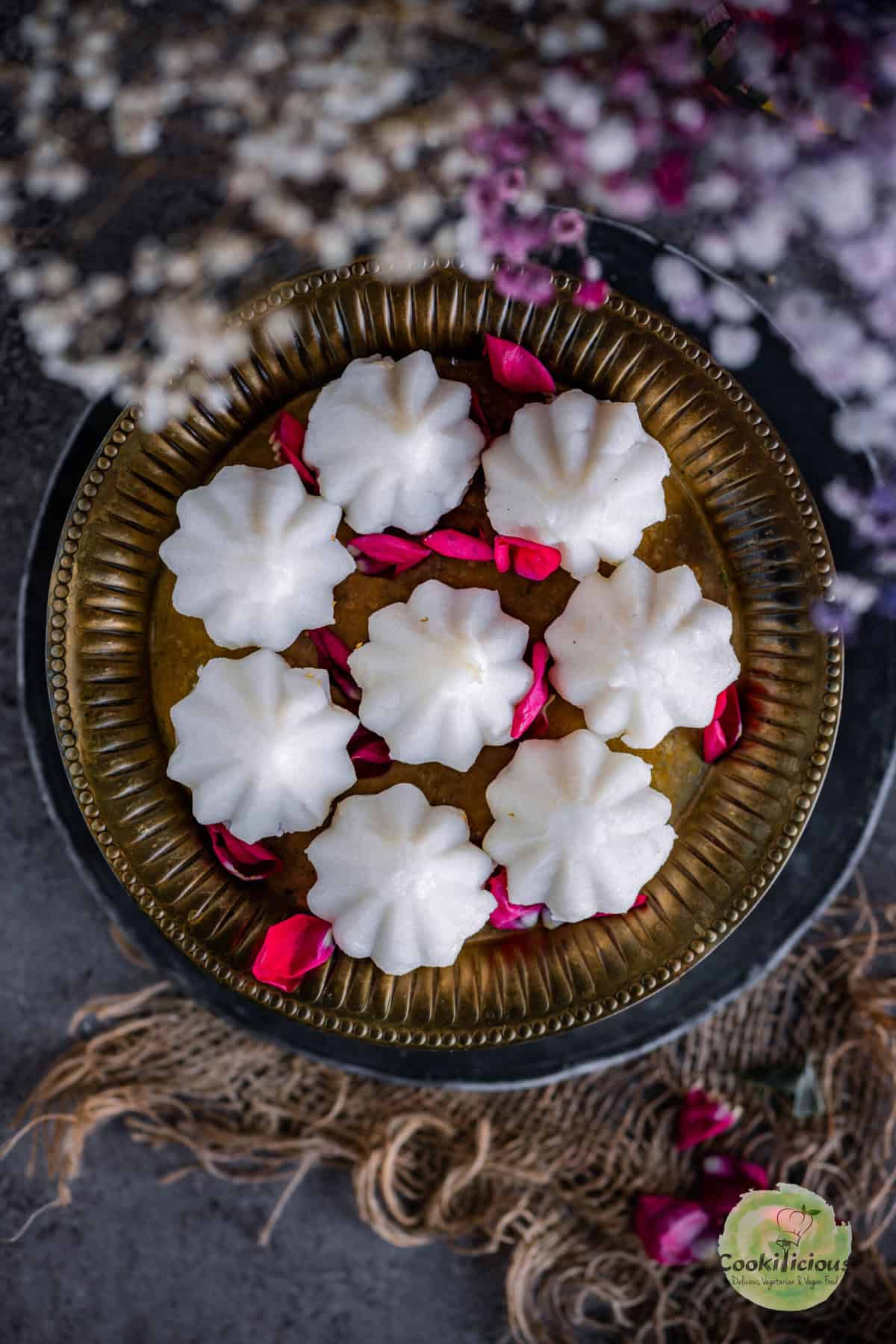
Kozhukattai (also spelled Kolukattai, or Kozhakattai) and also known as modak, modakam, or mothagam is a stuffed rice flour dumpling that is mostly sweet but can also be savory. It's part of a broader family of steamed rice dumplings and sweet dumplings found across South Asia. The sweet version is called Thengai Pooranam Kozhukattai in South India, while in Maharashtra it's known as Ukadiche Modak. In Tamil, Thengai (or thenga) means coconut, pooranam means stuffing, and Kozhukattai is the name for these steamed dumplings. In Marathi, Ukad means "steam" and modak means "sweet dumpling."
This classic Vellai Kozhukattai (vellai means white in Tamil) is the most popular recipe, especially during the 9-day Hindu festival Ganesh Chaturthi (or Vinayaka Chaturthi), which celebrates Lord Ganesha. It's believed that modak is Lord Ganesha's favorite sweet, making it an essential offering during this festival. That's why it's also popularly known as Ganpati Modak.
Bringing Back Traditional Kozhukattai for Ganesh Chaturthi
For years, many of you have enjoyed making my Instant Chocolate Mawa Modak recipe during Ganesh Chaturthi, but I've always wanted to share our traditional Kozhukattai recipe too - for those who wish to make it the authentic way, just like our moms and grandmoms did. My modak recipe is moderately easy and accessible for beginners. I've included step-by-step instructions on how to use special modak molds to shape them easily.
In many ways, these Indian sweet dumplings are quite similar to momos - both are steamed dumplings made with rice flour - but what makes Kozhukattai special is the delicious Thengai Pooranam (coconut jaggery filling) and its deep connection to tradition, devotion, and family memories.
During festivals like Varalakshmi Vratham and Vinayaka Chaturthi (Ganesh Chaturthi), it's customary to prepare Thengai Pooranam Kozhukattai. In many South Indian homes, both savory and sweet Kozhukattai are also made for the monthly Sankatahara Chaturthi.
Almost every time we make Kozhukattai, there's some leftover rice flour dough (Kozhukattai maavu), which we turn into delicious bite-sized Kara Mani Kozhukattai - made with the same dough, but shaped differently and cooked with a distinct method. This fun bite-sized recipe even went viral on my Instagram!
Why Make It
- 🌱 Naturally vegan and gluten-free - no eggs, dairy, or wheat, just rice flour, coconut, and jaggery
- ⏱️ Ready in just 45 minutes - from dough to steamed, ready-to-eat modaks
- 🧾 Just 4 basic ingredients - rice flour, coconut, jaggery, and water
- 🙏 Traditional South Indian modak recipe - made the authentic way, just like our moms and grandmoms did
- 🎉 Perfect for Ganesh Chaturthi, Varalakshmi Vratham, and Sankatahara Chaturthi - a year-round festival staple, not just a once-a-year sweet
- 👩🍳 Mother-in-law tested tips included - every trick for perfectly shaped, crack-free kozhukattai, so you skip the trial and error
- 🍚 A true rice dumplings recipe - soft, steamed, and naturally sweet, no frying or baking involved
🧾 Ingredients Needed
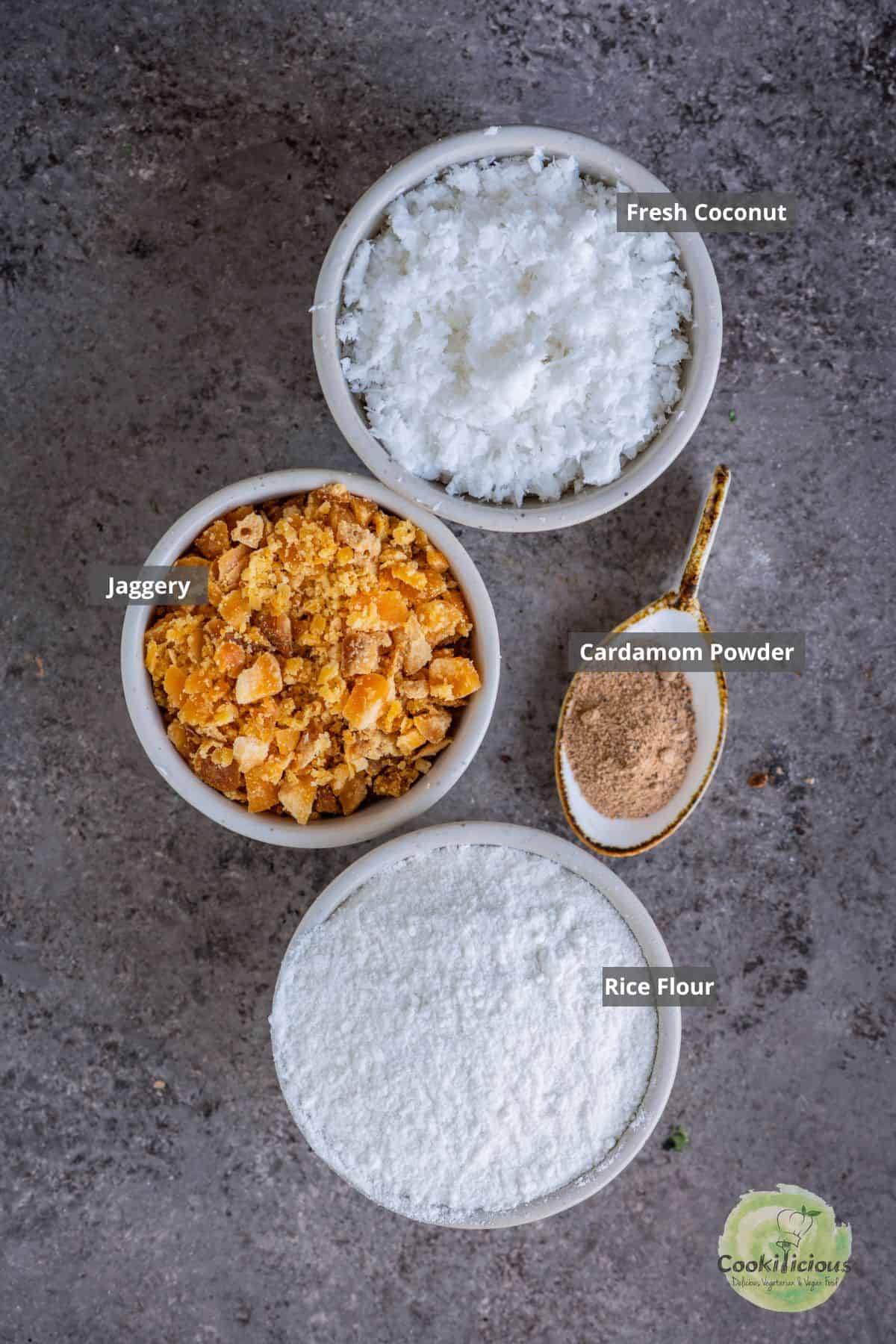
Rice Flour for Modak Dough
I use fine Indian rice flour, ideal for making soft and smooth kozhukattai or steamed modak dough. If your rice flour isn't finely ground, sift it through a fine sieve before use. Alternatively, you can use Idiyappam flour or specialty modak flour / kozhukattai flour available in many Indian grocery stores during festival season. This rice flour dough forms the delicate outer shell for these traditional South Indian sweet dumplings.
Coconut for Modak Filling
Freshly grated coconut is traditionally used to make the sweet Kozhukattai pooranam - the sweet coconut and jaggery stuffing. For convenience, frozen shredded coconut from Indian stores works well; just thaw it for a couple of hours. You can also shred fresh coconut chunks in a blender. Unsweetened desiccated coconut or coconut flakes is a good substitute when fresh coconut isn't available, maintaining the authentic flavor of the filling.
Freshly grated coconut is very versatile - you can use it to make Vegan Coconut Ladoos, Rose Flavored Coconut Ladoo, or Chocolate Coconut Macaroons.
Jaggery (Gud) for Sweet Filling
Organic jaggery powder or jaggery chunks are used to sweeten the coconut stuffing in this modagam recipe. Grate or finely chop the jaggery before mixing to ensure it melts evenly, creating the classic sweet filling that makes this Ganesh Chaturthi modak recipe so special.
Cardamom for Authentic Flavor
No traditional Indian dessert recipe is complete without cardamom! Use either cardamom powder or freshly crushed cardamom seeds from whole pods to infuse the filling with its signature warm aroma.
Oil for Modak Dough and Molding
Gingelly oil (Indian sesame oil) is preferred for kneading the Kozhukattai maavu and greasing molds, adding a subtle nutty flavor. Coconut oil, vegan ghee, or regular ghee (for non-vegans) are excellent alternatives that keep the Ganpati modaks moist and flavorful.
Modak Molds for Perfect Shaping
Various modak molds are available in the market, coming in different sizes and styles. Some molds, like the four-slot mold I use for my Instant Chocolate Modak, shape multiple modaks at once but are too small for traditional Kozhukattai. For authentic steamed Ganpati modak or Thengai Pooranam Kozhukattai, you'll need larger molds that make shaping and stuffing easier - especially for beginners. You can find these traditional molds at Indian grocery stores like Patel Brothers or online from US-based sellers.
Steamer for Cooking the Modaks
I use a regular Idli cooker or Instant Pot to steam the modaks, with an Idli plate or dhokla plate to hold them. A bamboo steamer can also be used if that's what you have on hand.
🔪 How To Make Kozhukattai
To Make the Thengai Pooranam (Coconut Jaggery Stuffing)
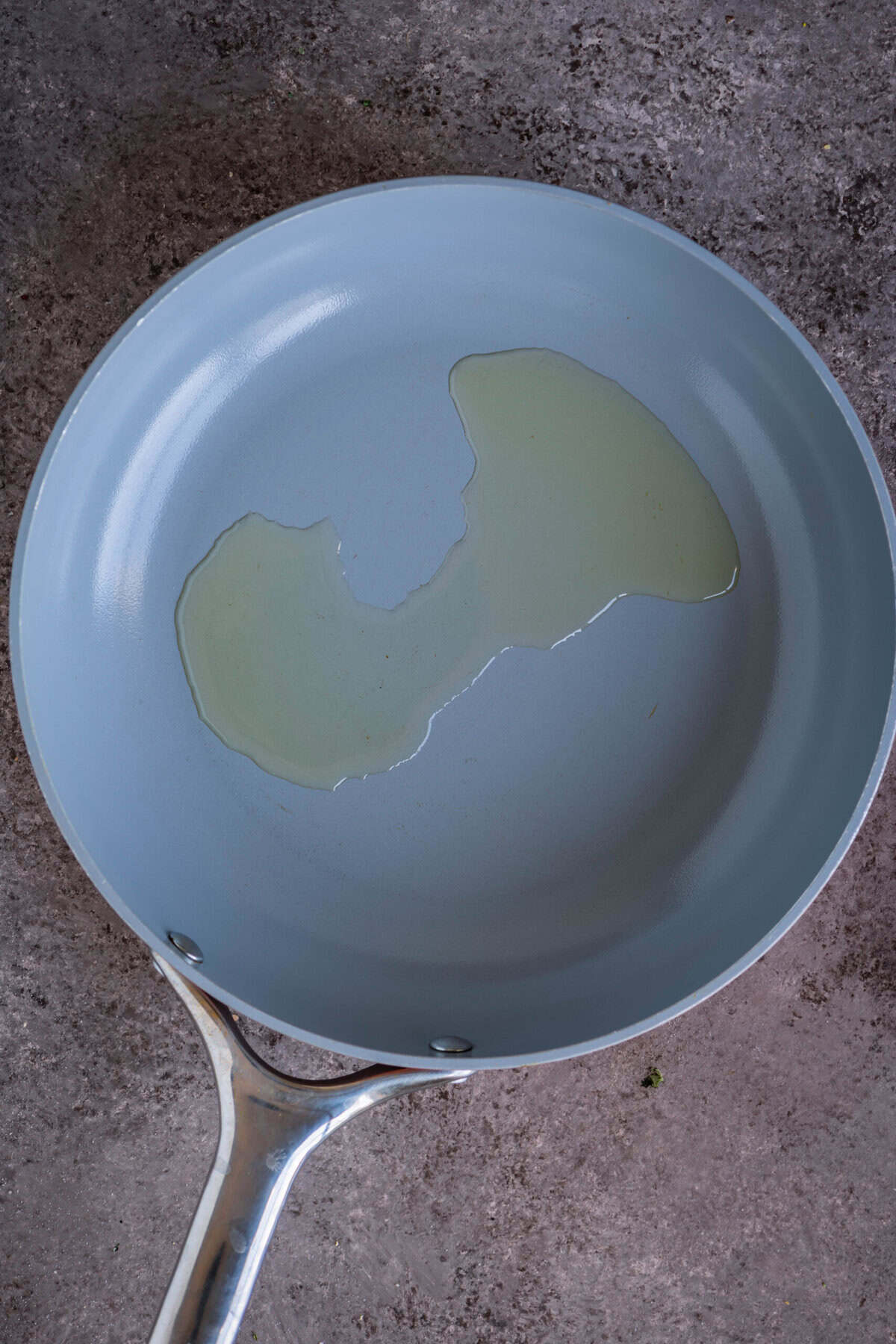
- Step 1: Heat a pan and add vegan ghee.
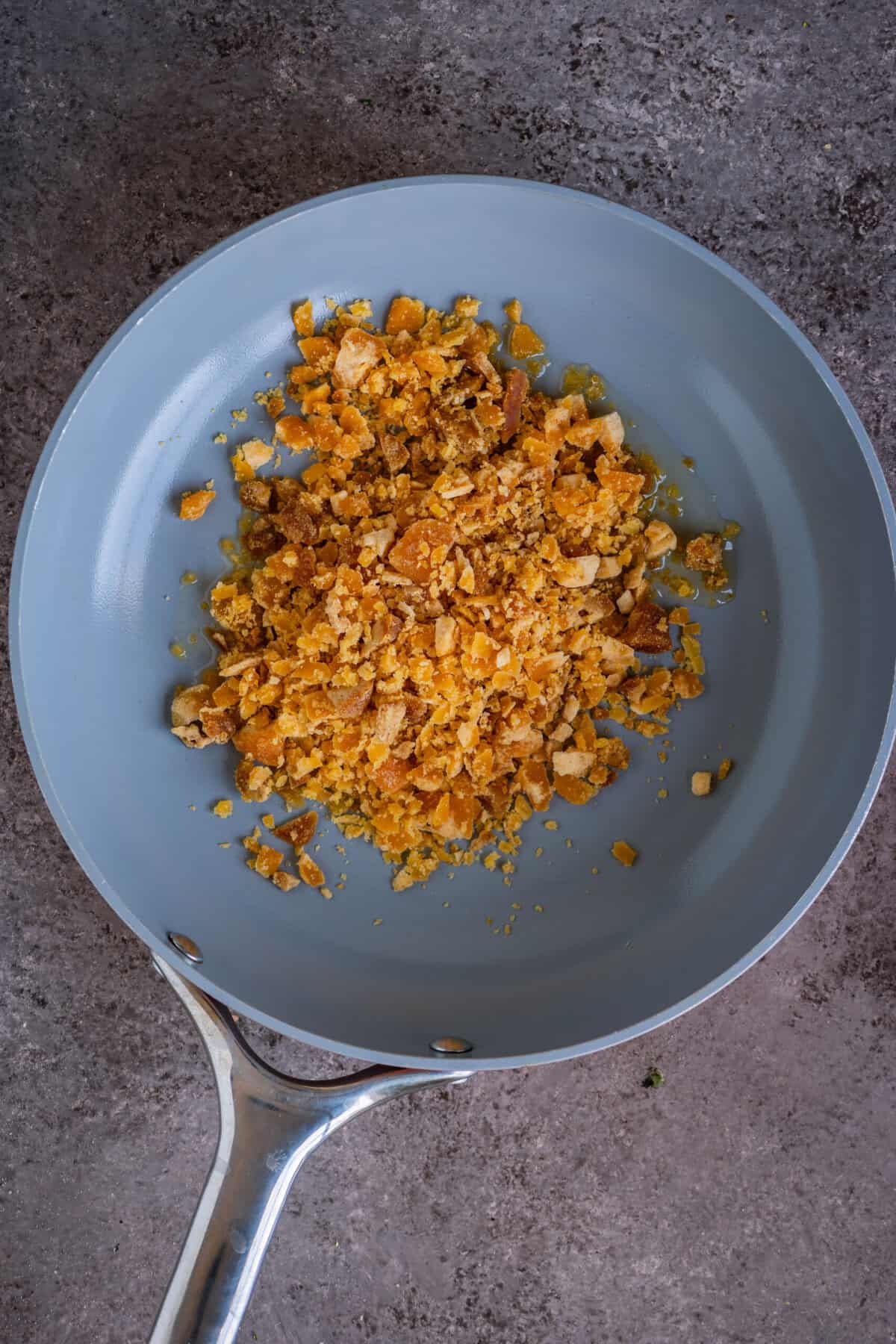
- Step 2: Once the ghee is hot, add the shredded jaggery.
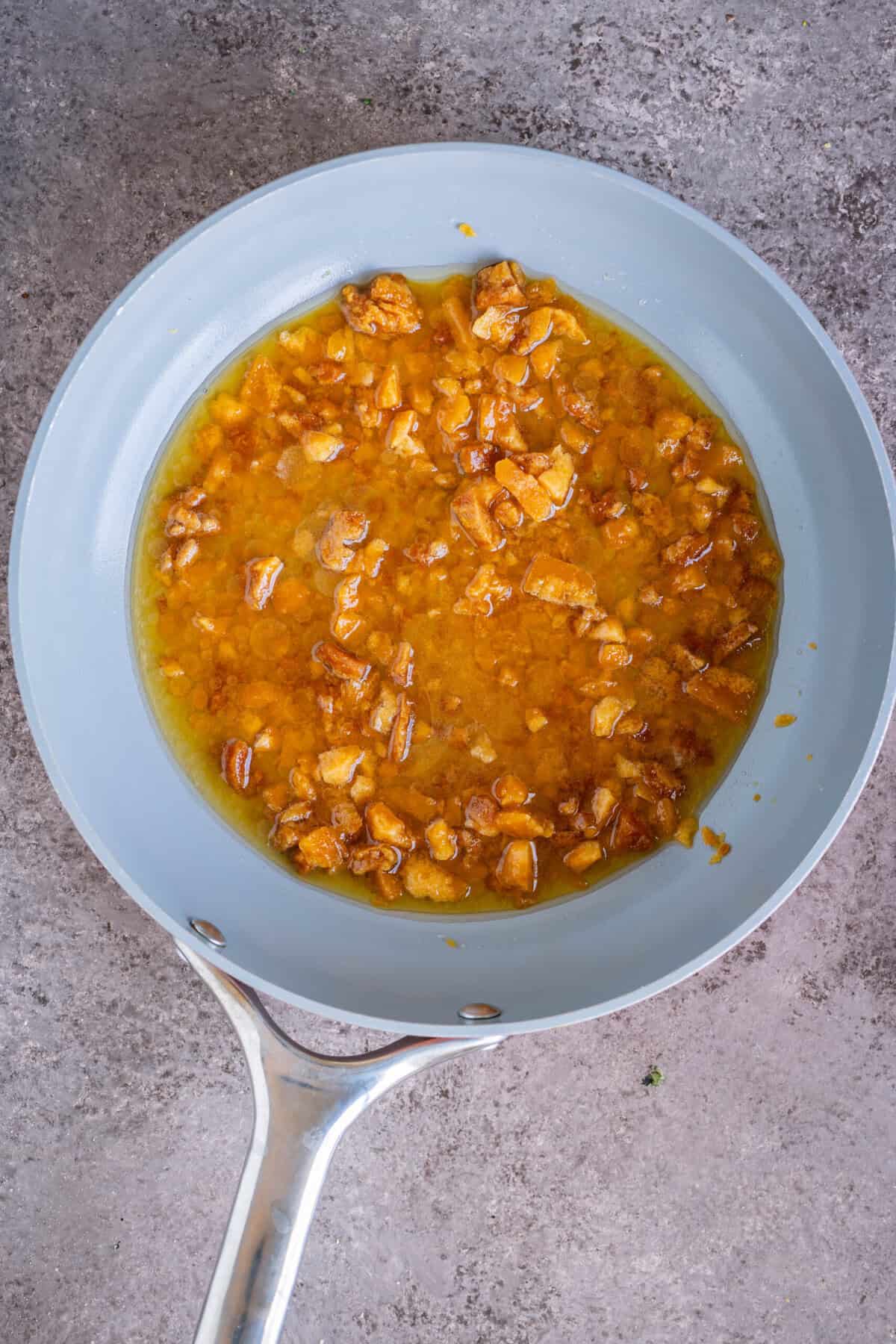
- Step 3: Followed by water.
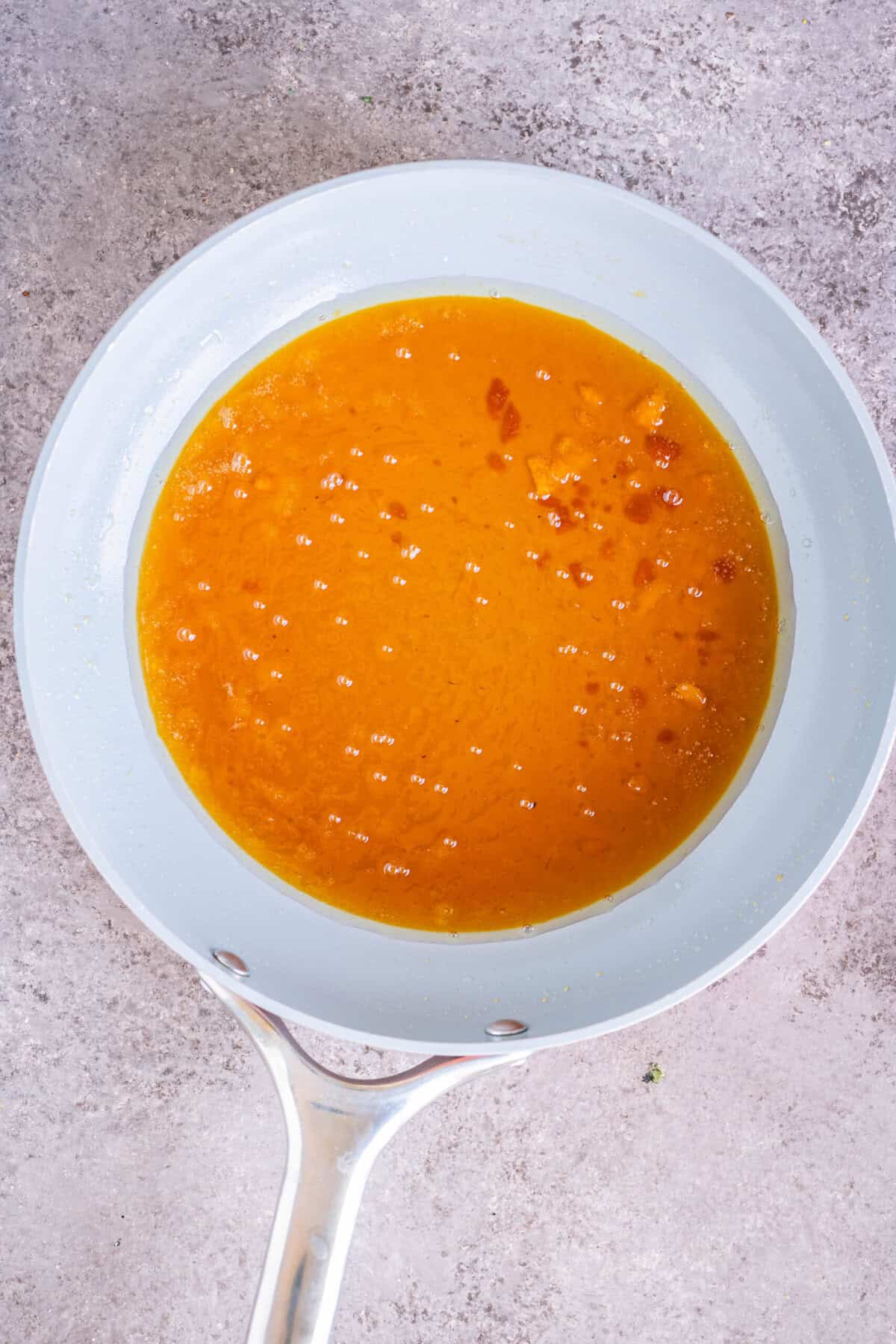
- Step 4: Stir and cook on medium heat until the jaggery melts completely and starts to boil - no need to cook it to a one-string consistency. Priya's tip - If you notice any impurities settling at the bottom, strain the melted jaggery before adding the coconut.
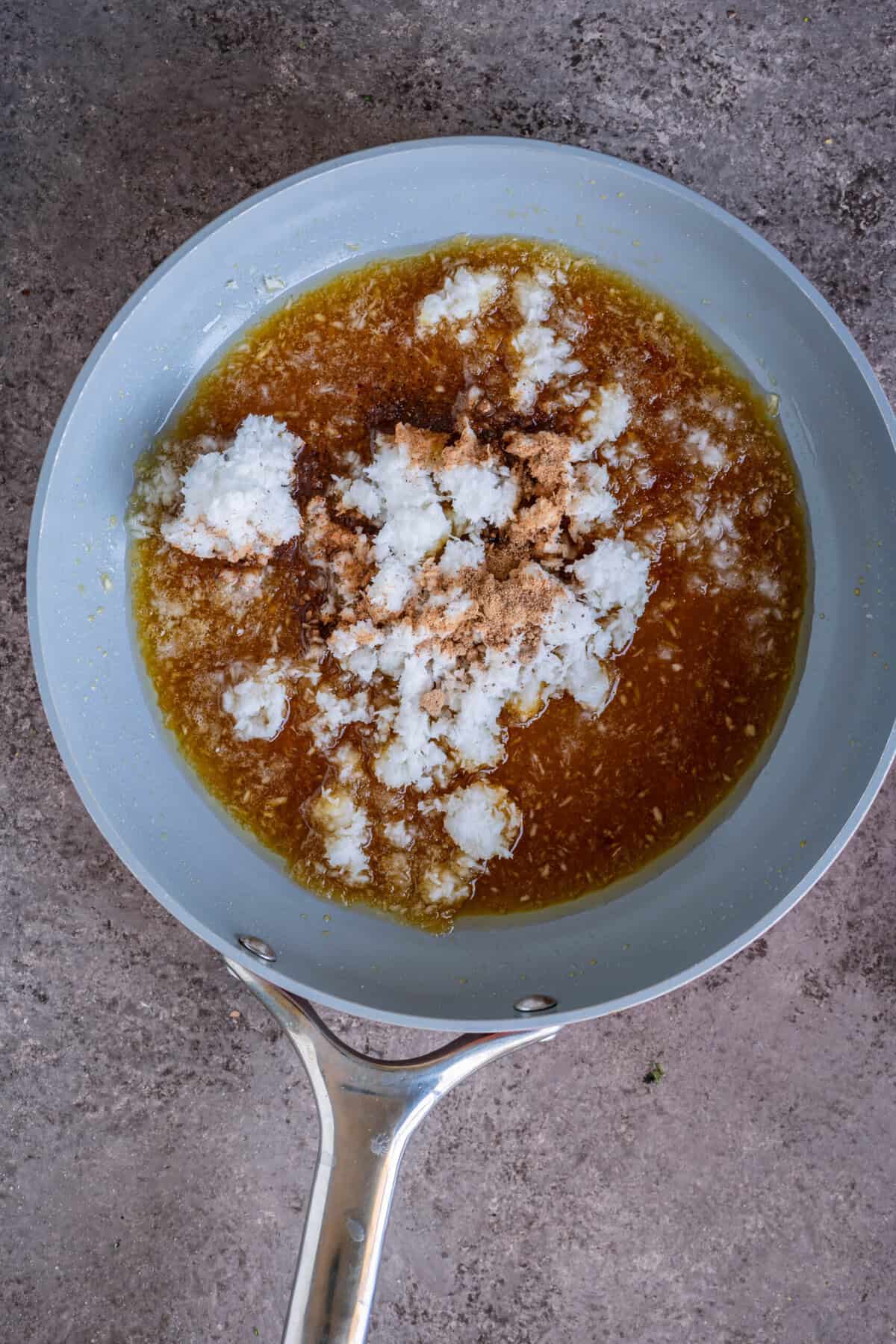
- Step 5: Add the grated coconut and cardamom powder.
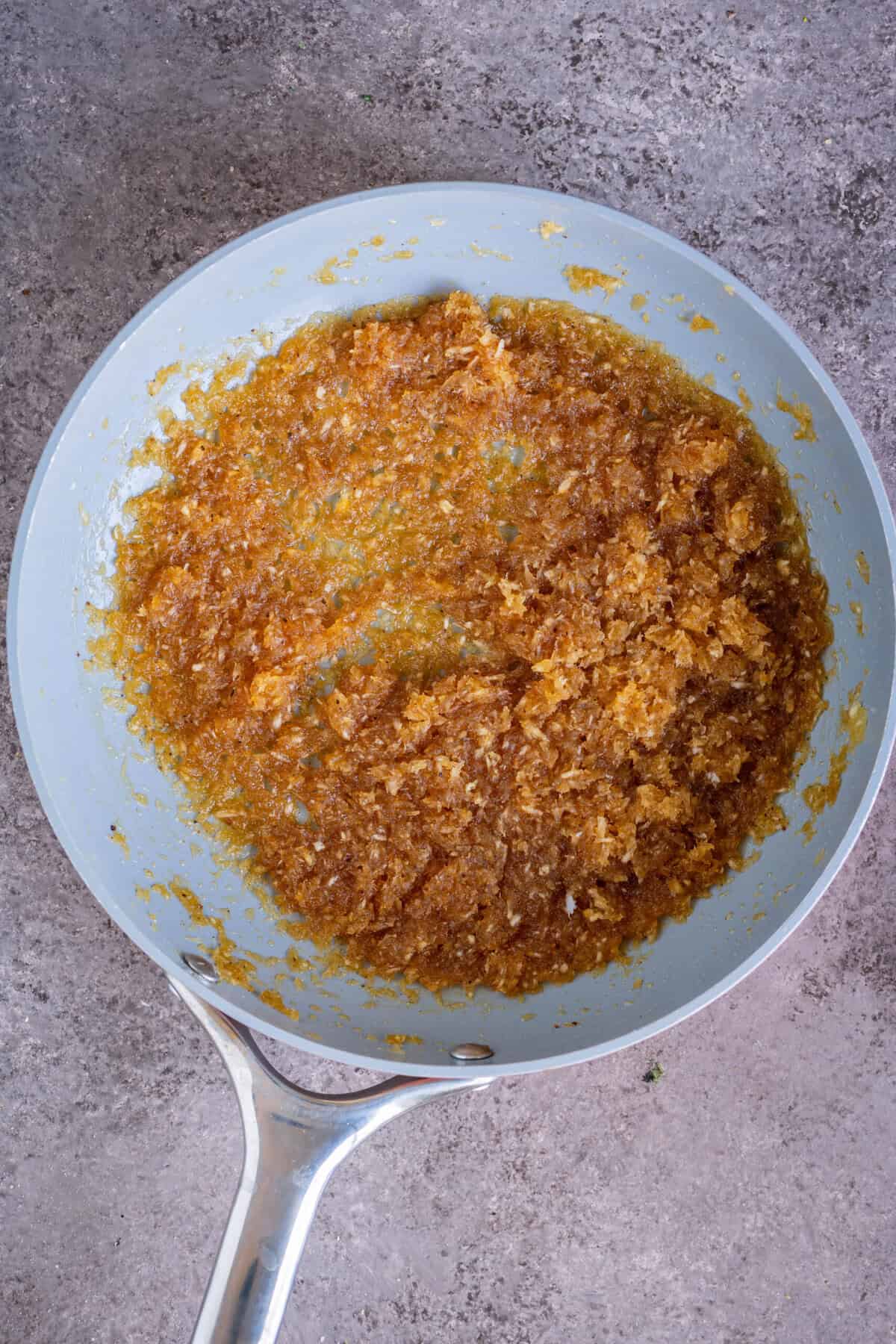
- Step 6: Mix well and cook for 2-3 minutes, stirring continuously.
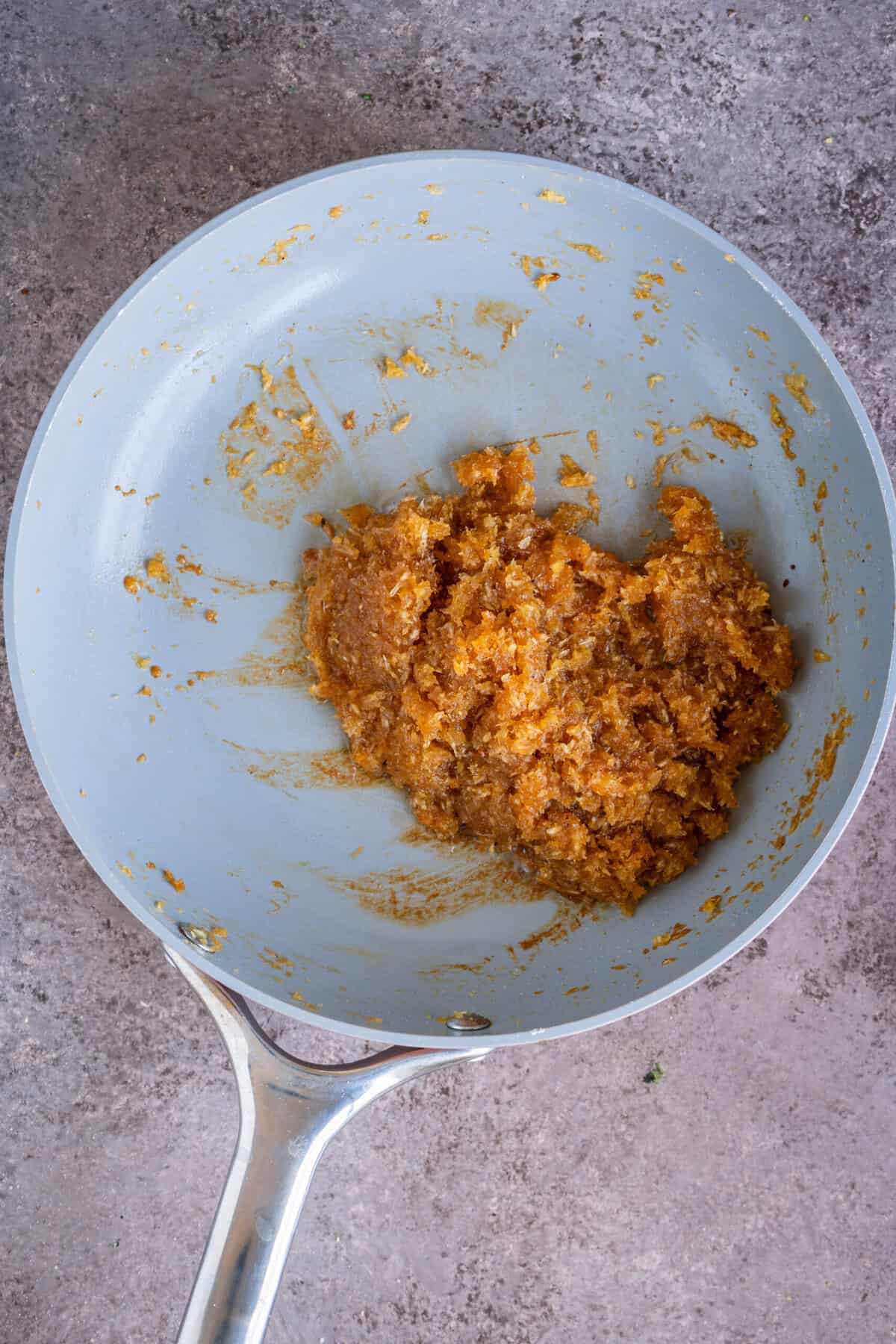
- Step 7: Cook the mixture until it thickens and comes together like a soft dough - moist enough to leave the sides of the pan without sticking. Priya's tip - Avoid overcooking, as this will make the pooranam hard. If it does become too firm, sprinkle a little hot water and gently loosen it before using.
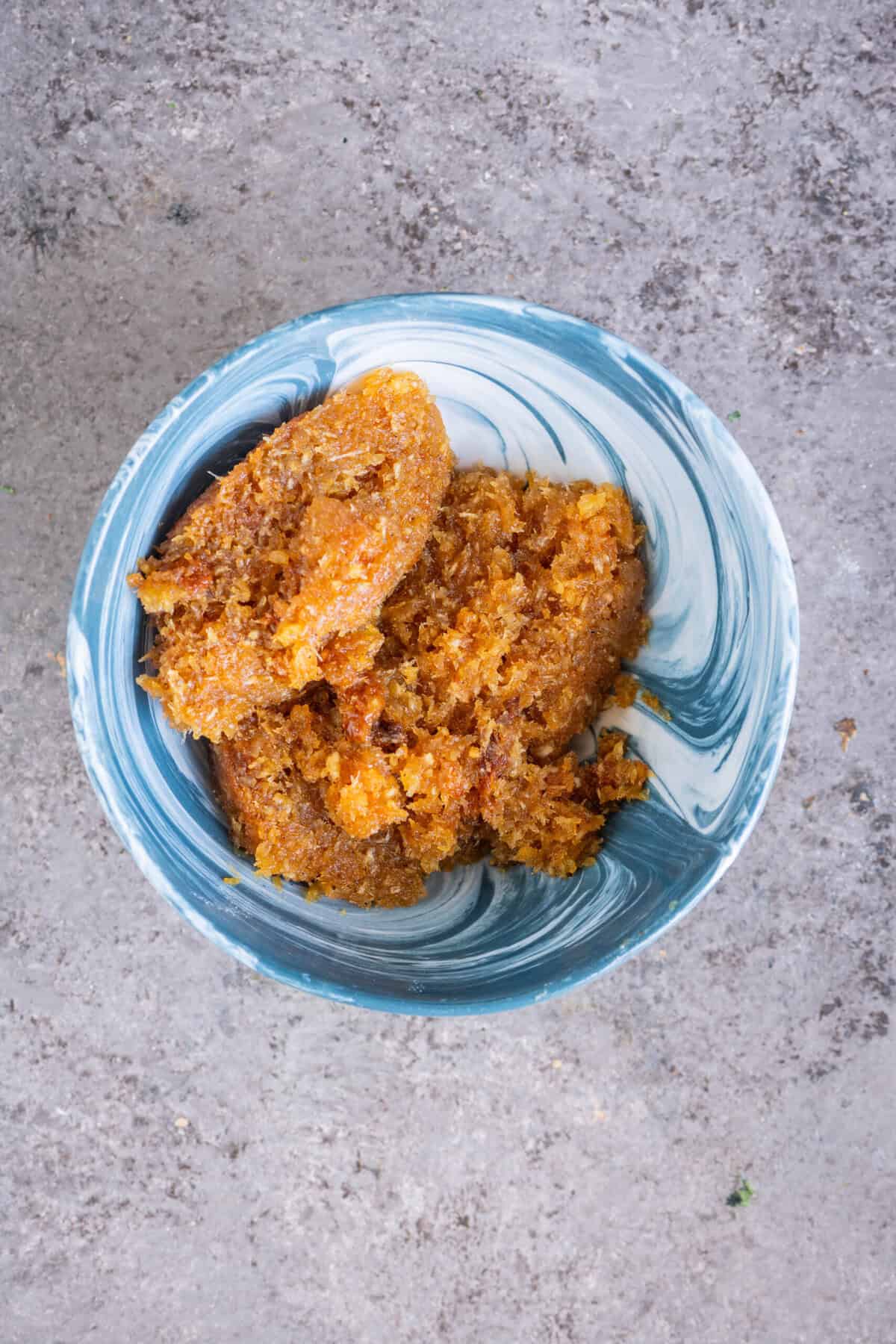
- Step 8: Transfer the modak stuffing to a bowl and let it cool slightly before using it to fill your modaks or kozhukattai. Priya's tip - You can also divide it into equal balls and keep them ready. If you're making these as prasadam or naivedyam, avoid tasting the filling - traditionally, the offering isn't tasted before it's presented.
To Make the Kozhukattai Maavu (Rice Flour Dumpling Dough)
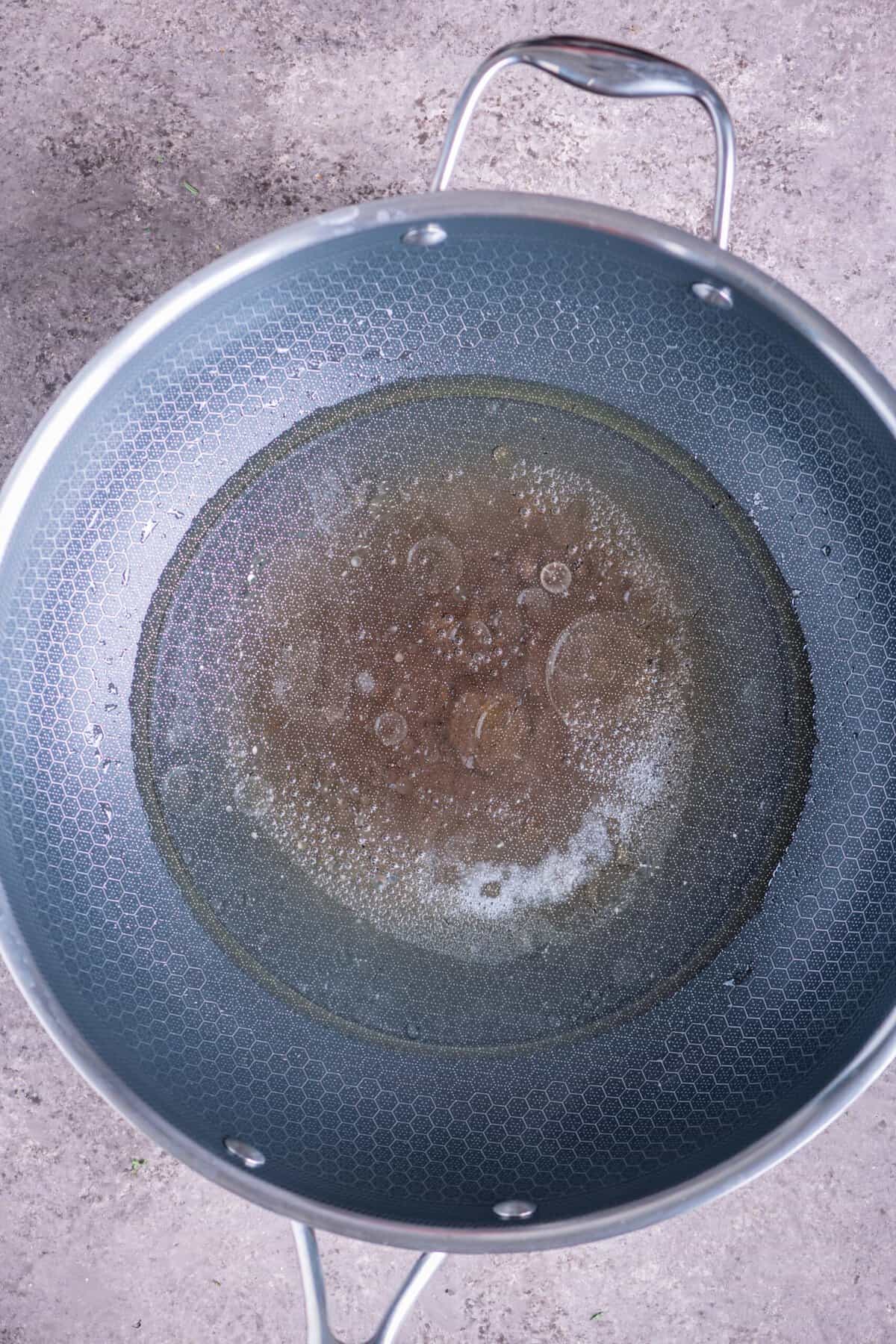
- Step 1: In a pan, bring water to a rolling boil, then add salt and 1 tablespoon of gingelly oil.
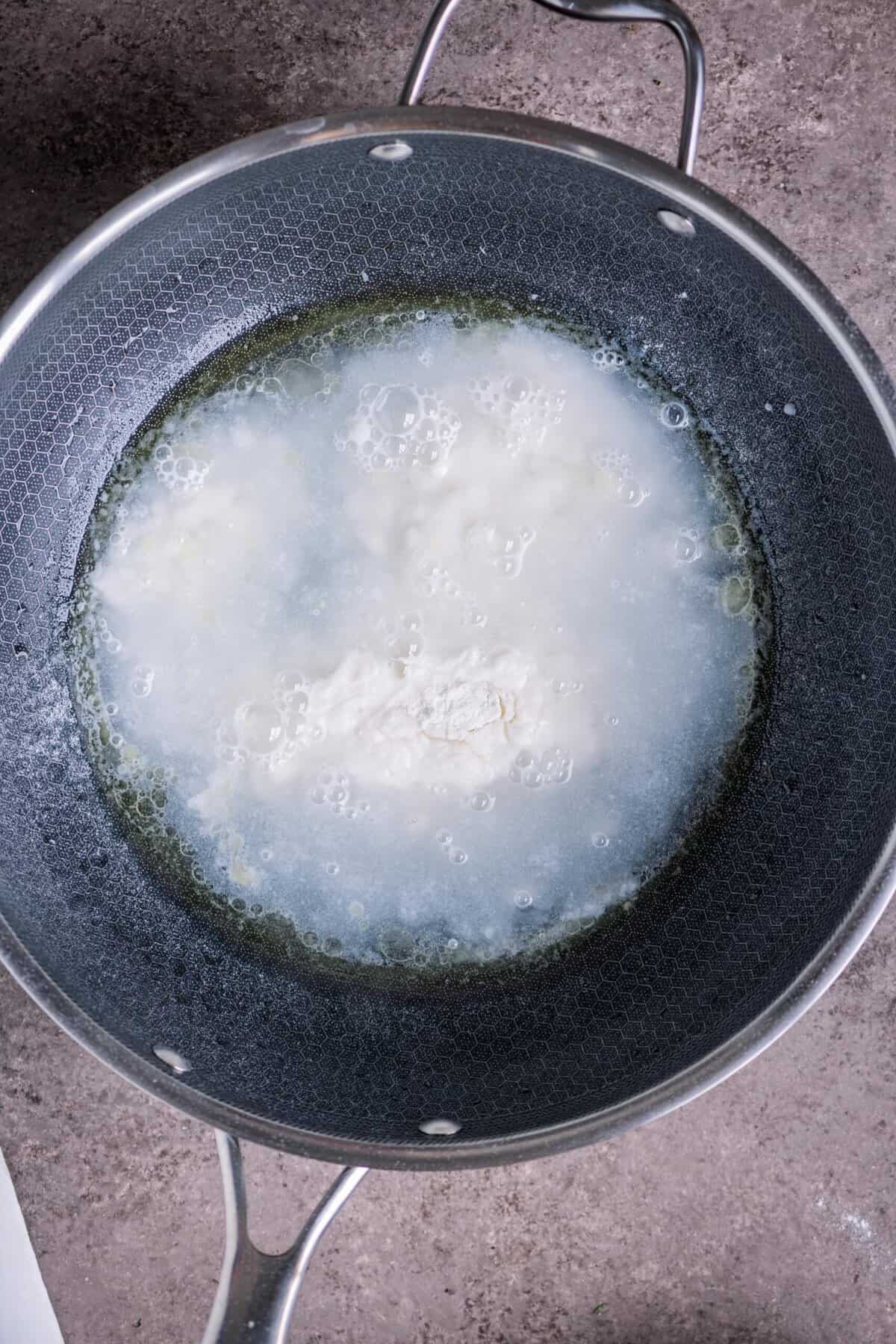
- Step 2: Gradually add the rice flour, stirring continuously with a silicone spatula or whisk to prevent lumps. Add more hot water only if needed. Priya's tip - if your rice flour isn't finely ground, sift it through a fine sieve before use to keep the dough smooth. Also, work fast after adding the rice flour to the pan.
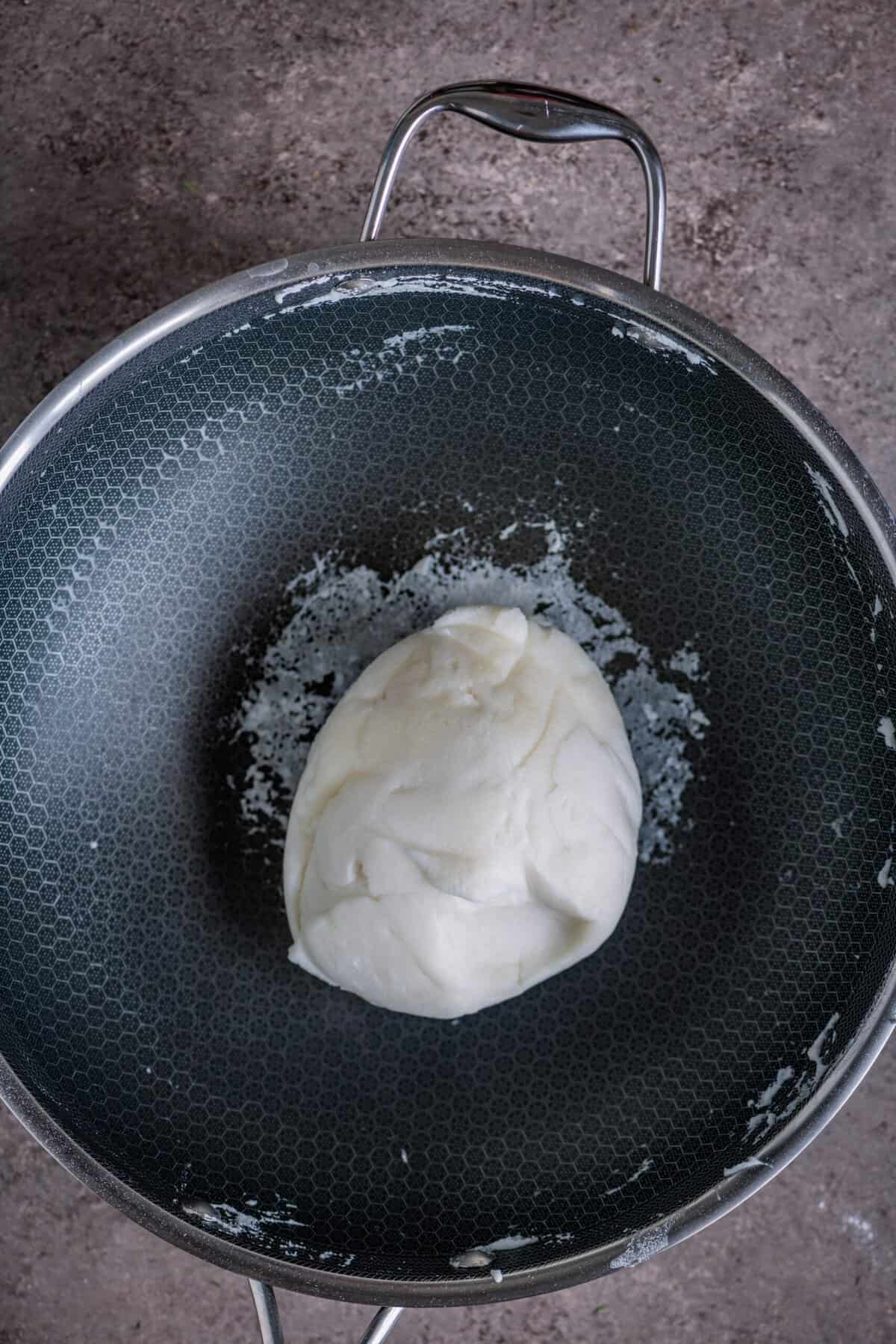
- Step 3: Keep stirring on low-medium flame for 2-3 minutes until the mixture thickens, stops sticking to the pan, and forms a soft dough. Priya's tip - if the dough feels too sticky, cover and simmer on low flame for 1-2 minutes to firm it up slightly.
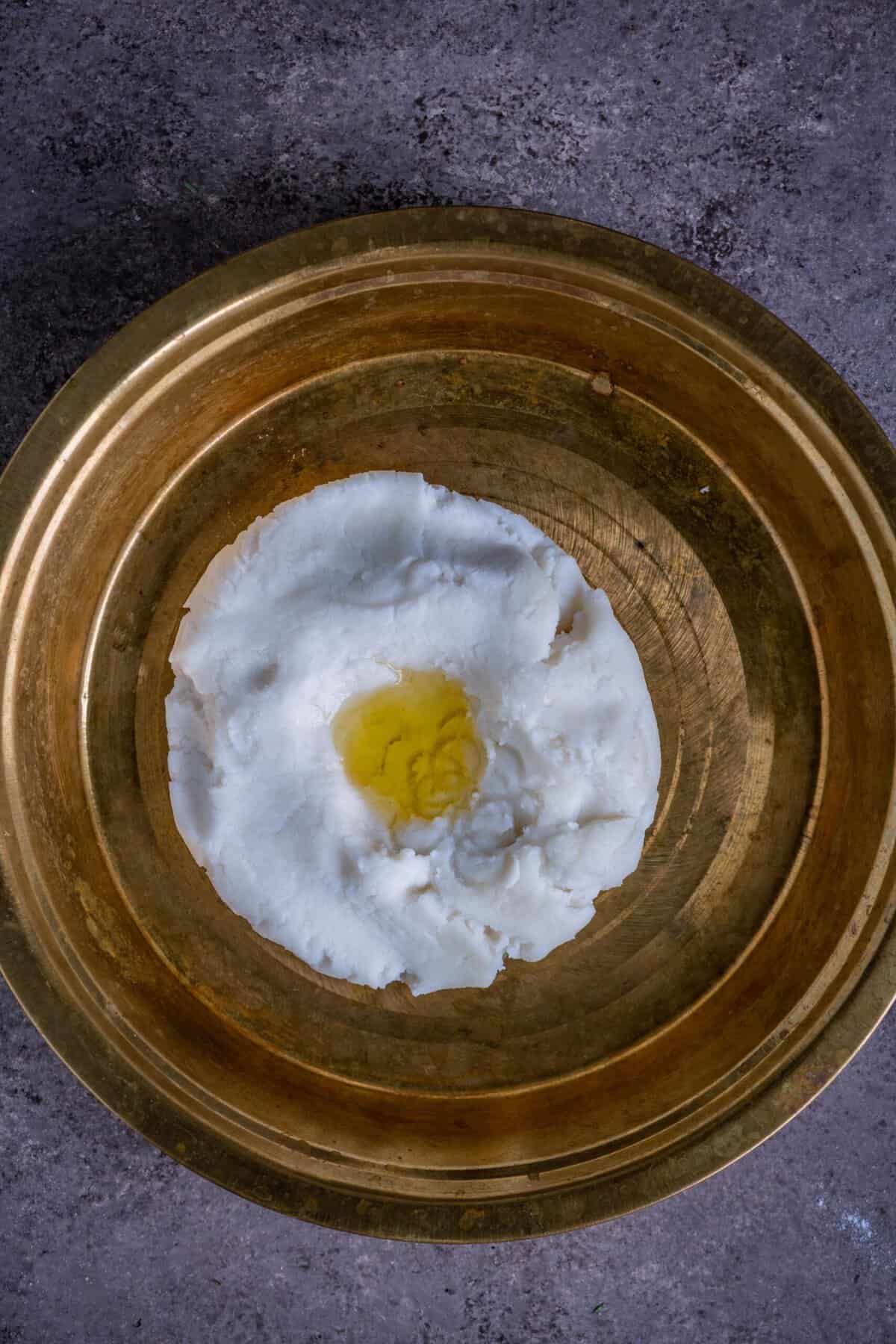
- Step 4: Transfer the modak dough to a plate and let it cool slightly. Add 1 tablespoon of gingelly oil and start to knead it while still warm (not hot) to remove any lumps. Priya's tip - keep the dough covered with a damp cloth whenever you're not actively working with it; if it dries out, it will crack while shaping. If that happens, sprinkle a little hot water and knead gently to bring the dough back to the right consistency.
To Stuff the Kozhukattai (Modak)
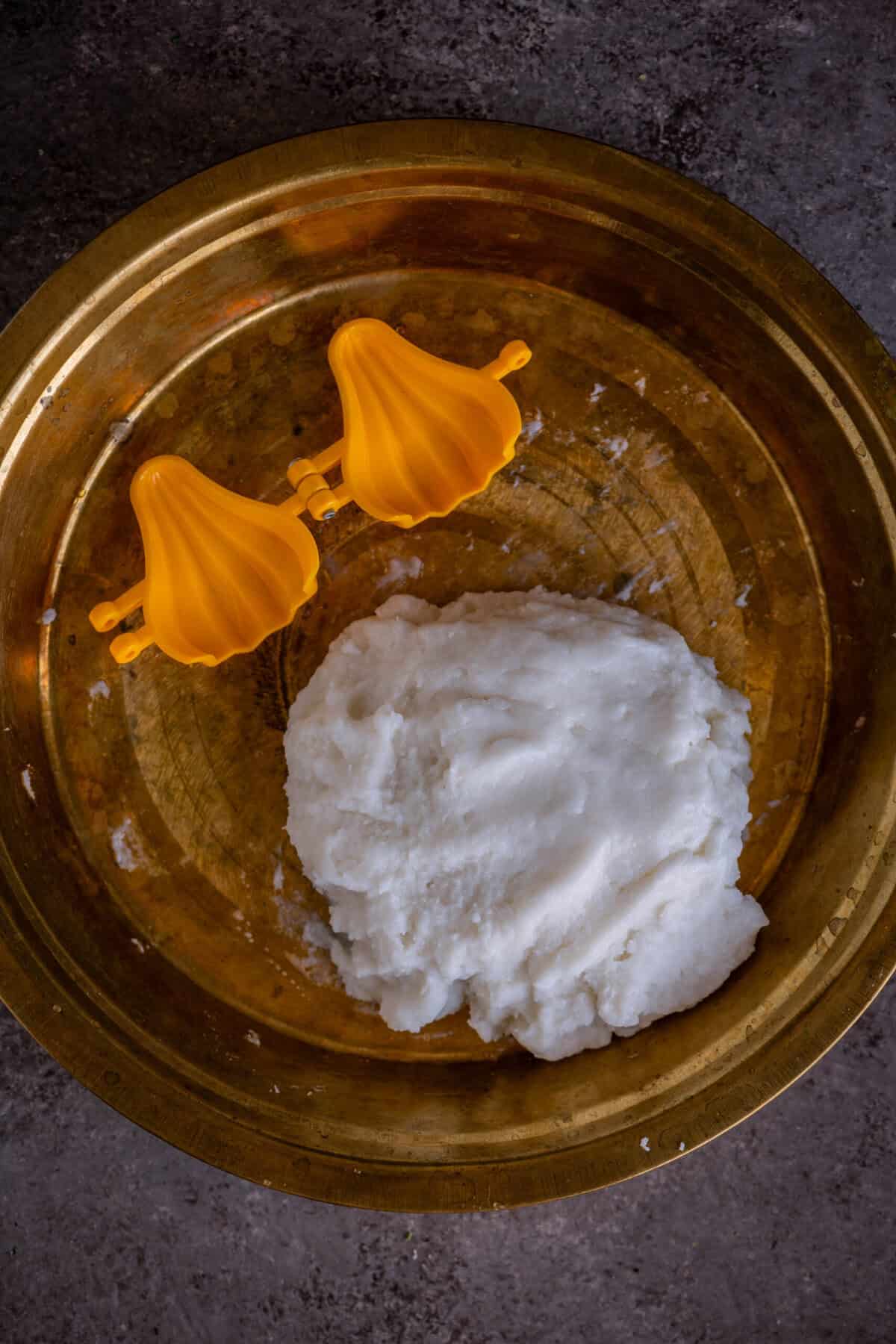
- Step 1: Knead the rice flour dough until it's smooth, soft, and pliable - this is a key step for perfect modak or kozhukattai. If the dough is still hot, sprinkle some water in your palms and then knead. Add more oil if needed while kneading. Divide into lemon-sized balls if you prefer. Priya's tip - Clean the modak mold and lightly grease it with a little gingelly oil (sesame oil) - this helps the modaks release easily and gives them a neat shape.
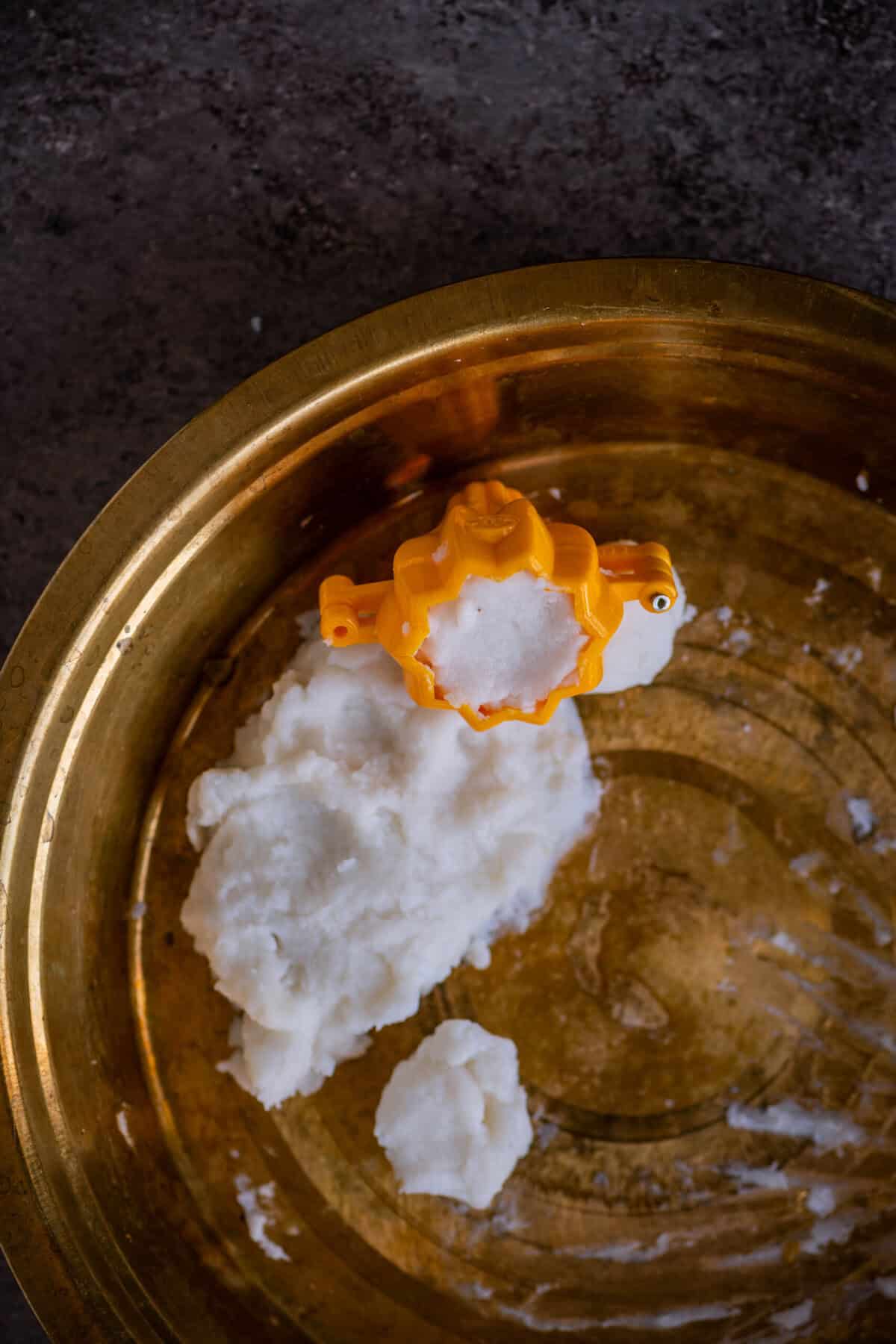
- Step 2: Close the mold and gently press a portion of the rice flour dough inside.
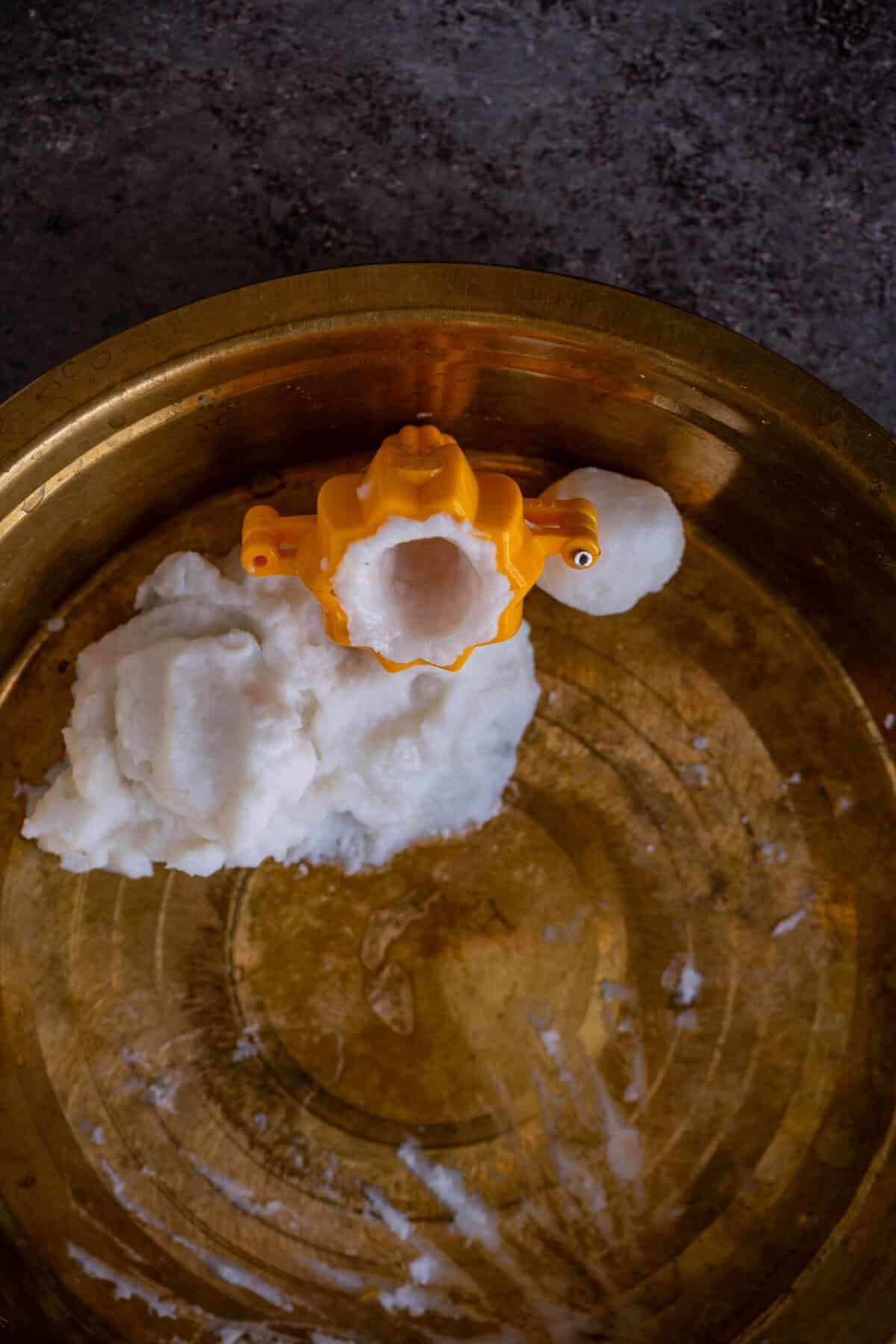
- Step 3: Using your clean fingers, press the dough evenly along the sides of the mold to form a hollow cavity. Make sure to press it into all the corners to get the classic modak shape. Priya's tip - don't make the outer shell too thin or too thick.
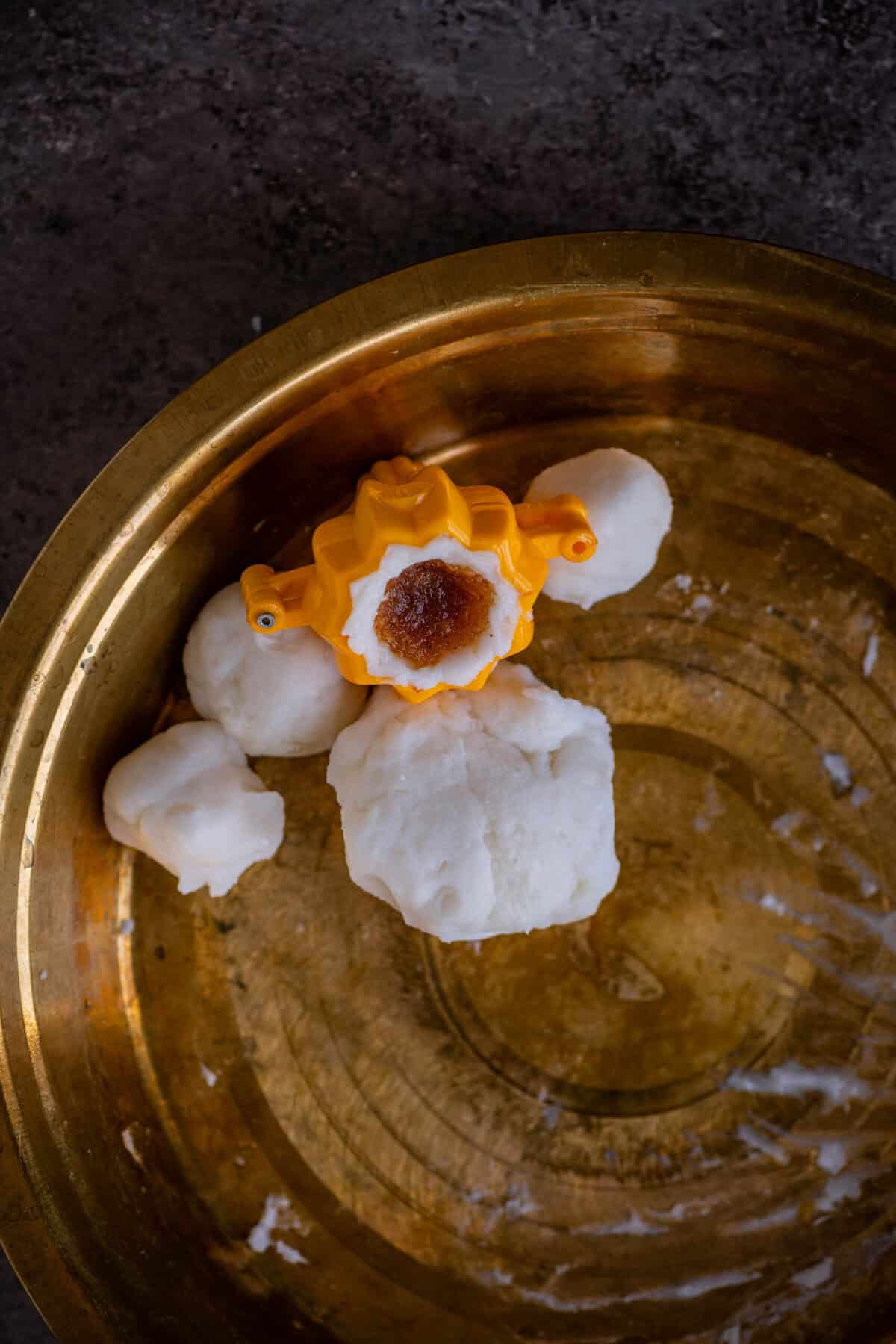
- Step 4: Fill the cavity generously with the prepared Thengai Pooranam (sweet coconut jaggery stuffing). Priya's tip - keep the dough layer from getting too thick, so the ratio of soft outer shell to sweet filling stays balanced for the best-tasting kozhukattai.
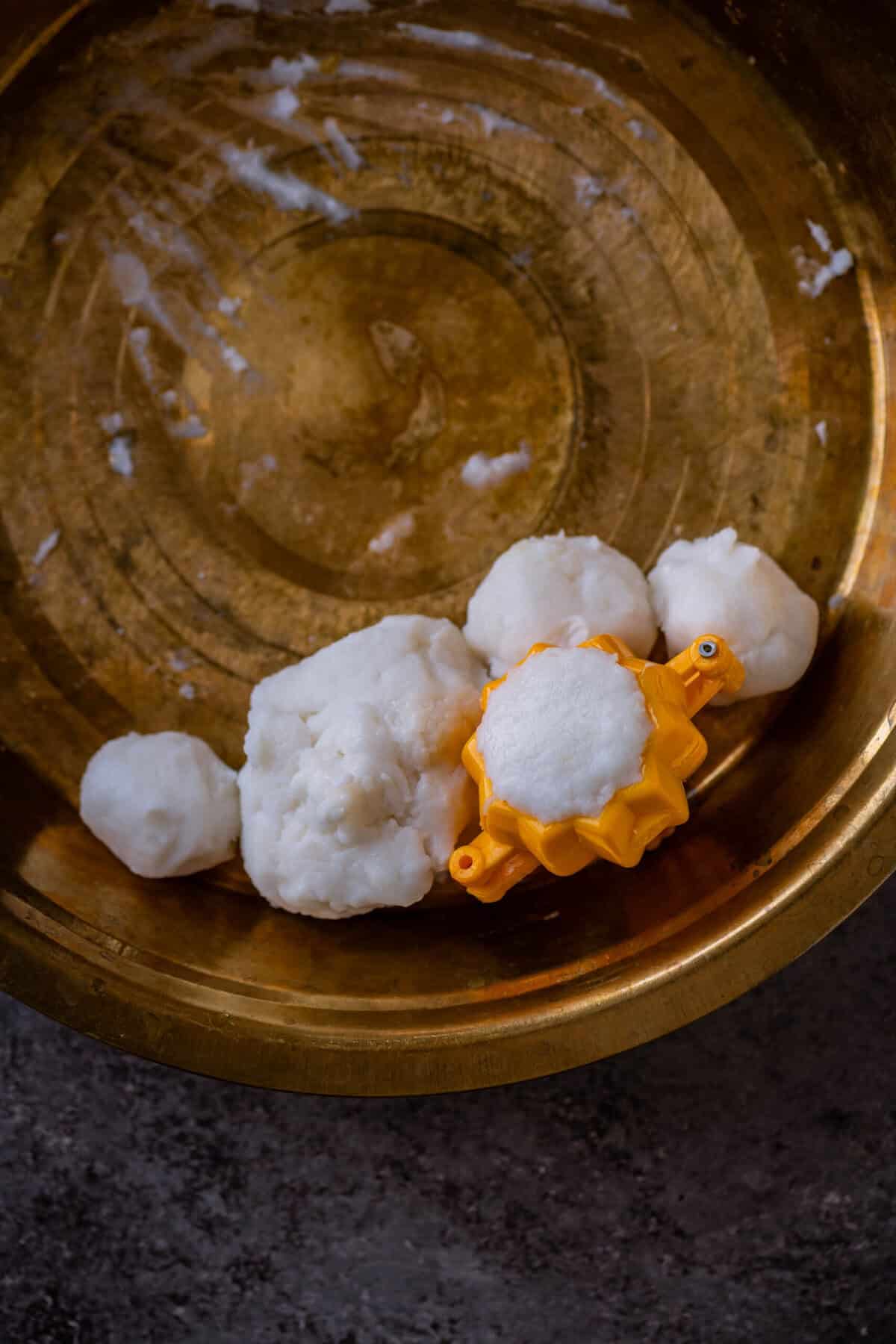
- Step 5: Add a small portion of dough on top to seal the base firmly. Gently open the mold and carefully remove the shaped modak. Priya's tip - if needed, reshape the tip with your fingers; if you see little cracks, smoothen the covering with wet fingers. Place the modak on a plate, keeping these covered too to prevent drying, and repeat with the remaining maavu and pooranam - keep greasing your hands and the modak mold with gingelly oil as you work to prevent sticking.
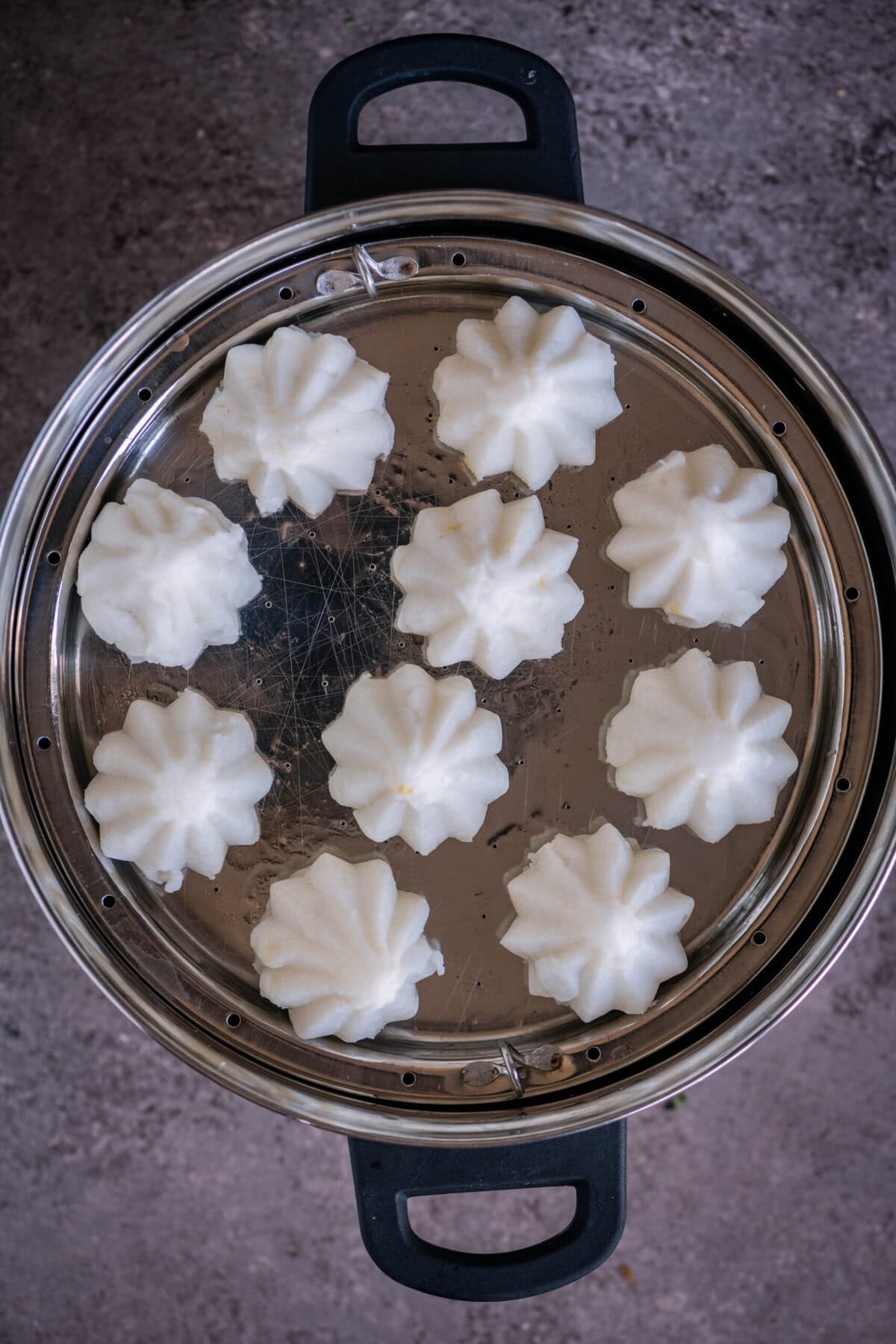
- Step 6: Place the stuffed modaks on a greased steamer plate, making sure they don't touch each other - leave enough space between them to prevent sticking while steaming. Add 2 cups of water to the steamer, place the steamer plate in it, and steam the modaks for about 10-12 minutes on medium flame. Once done, let the steamer cool naturally, then open and carefully transfer the steamed modaks to a plate. You'll know they're perfectly cooked when they look glossy and their color has changed slightly. Priya's tip - avoid oversteaming, as this can make the modaks rubbery instead of soft and tender.
Want to save this recipe?
🍽 Serving Suggestions
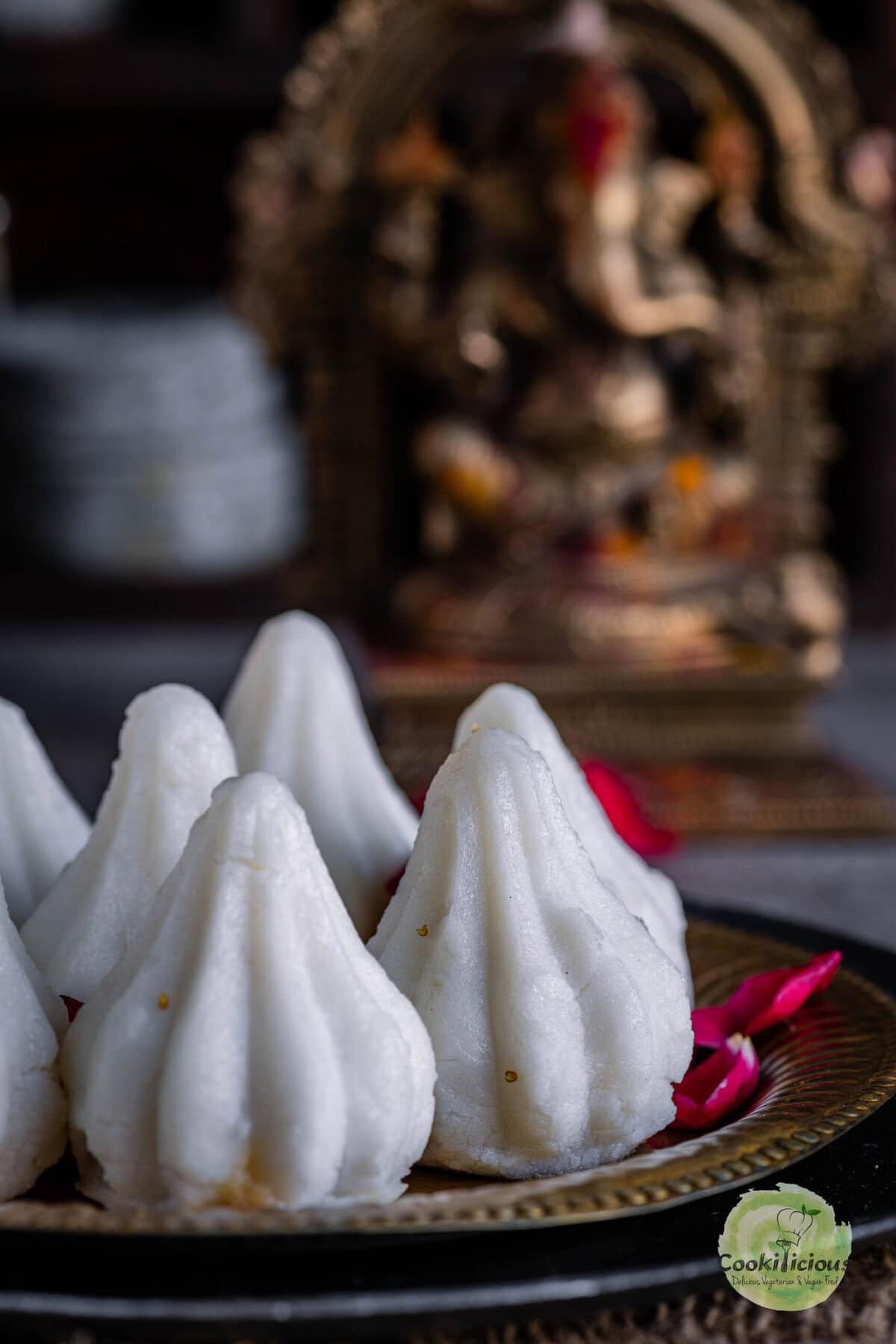
This kozhukattai recipe tastes best served warm. For extra richness, drizzle some warm vegan ghee on top just before serving, or cut the modak in half and pour warm ghee inside, letting it soak into the filling rather than just sitting on top. For a festive touch, soak a few strands of saffron in warm milk and gently pour it over these vegan steamed modaks. You can also garnish with edible rose petals or a sprinkle of edible camphor (optional) - some families do this for traditional flavor.
Serve these soft, steamed rice dumplings as prasadam or neivedhyam (offerings to God) during Ganesh Chaturthi, Vinayaka Chaturthi, Varalakshmi Vratham, or Nombu. Modaks are traditionally offered to Lord Ganesha in odd numbers - commonly 9, 11, or 21 - rather than an exact count. These coconut modakams also make a perfect sweet snack to enjoy after the pooja, paired beautifully with a cup of traditional South Indian Filter Coffee or your favorite warm beverage.
Traditional Ganesh Chaturthi Menu
Besides these steamed rice flour dumplings, traditional dishes like Lemon Rice, Coconut Rice, Sesame Rice, Avial, Potato Fry, Vazhakai Poriyal, Beans Poriyal, Paruppu Usili, Sambar, Parippu Rasam, Patra, Mor Kuzhambu, Puri, Mango Kadhi, Sundal, Paruppu Sevai, Puliyogare, Rose Basundi, Caramel Kalakand, Mysore Pak, Seviyan Kheer, Sabudana Kheer, and Paal Payasam make a perfect addition to your Ganesh Chaturthi festival menu.
💭 Priya's Recipe Tips
- The number of modaks you get will depend on the size of your molds and how generously you fill them.
- Always be generous with the coconut-jaggery stuffing - too little, and the modak ends up with too much dough and not enough sweet filling, which affects both taste and texture.
- While jaggery is the traditional sweetener for this Ukadiche Modak recipe, brown sugar or dates work as an alternative if needed.
- If you're scaling up for a bigger batch, steam the modaks in stages rather than overcrowding one steamer plate - they need space to steam evenly without sticking together.
📖 Modak Recipe FAQs
Traditionally, Ukadiche modaks were made without molds. My mom, grandmom, and mother-in-law always shaped Kozhukattai by hand. It takes a bit of practice and patience, and while the modaks may not look perfectly uniform, the taste is what truly matters!
Here's a simple way to shape modaks without a mold:
Once the rice flour dough has cooled enough to handle, divide it into small lemon-sized portions. Flatten each portion gently into a small disc with the help of a rolling pin. Place a spoonful of the coconut jaggery filling (Thengai Pooranam) in the center of the disc. Carefully fold the edges of the disc up around the filling, pinching and pleating the dough to form a shape similar to dumplings or momos. Bring the pleats together at the top to create a cone-shaped modak. Remove the excess mixture at the top.
Remember to grease your hands with a little oil while working with the dough to prevent sticking. If shaping a traditional modak is tricky, you can also form them into simpler shapes like semicircles (half-moons), stuffed balls, or fold them like these puff pastry samosas - these taste just as delicious! Or skip the shaping altogether and use the coconut-jaggery as a stuffing between baklava sheets similar to my coconut baklava recipe.
Every household has its own twist on making modak. While the classic stuffing typically includes grated coconut, jaggery, and cardamom, some families add additional spices like poppy seeds, chopped nuts, and nutmeg to enhance the flavor.
For a richer texture and taste, or if you want to make modak without coconut, use cooked lentils such as chana dal, or add gulkand, mawa, dry fruits, sesame seeds (til/ellu) and peanuts.
My Instant Chocolate Mawa Modak is one such variation, using a cocoa and khoya mixture instead of the traditional coconut-jaggery filling. My Caramel Kalakand mixture can also be pressed into a modak mold for a fun, fusion-shaped sweet.
Regarding the dough, the traditional choice is rice flour, but you can experiment with other flours to create different textures and flavors. Options include whole wheat flour, all-purpose flour (maida), rava (semolina), idli rava, puttu podi, raw rice flour, or even millet flours like ragi flour. Each variation offers a unique twist on the classic Ukadiche Modak or kozhukattai.
You can make colorful Ukadiche Modaks by adding natural or organic food coloring to the rice flour dough-this makes them look even more festive and fun for Ganesh Chaturthi.
Modak stuffing turned hard: Usually means the jaggery mixture was cooked too long. Sprinkle in a little hot water and warm it gently to soften it back up.
Modak dough cracks while shaping: The dough has dried out. Sprinkle a little hot water and knead gently to bring it back to the right consistency. Also keep the dough covered with a moist kitchen towel while you work on making the modaks.
Modak splits open during steaming: This is different from cracking while shaping - it usually means the base wasn't sealed firmly enough, or the shaped modaks sat uncovered too long before steaming and dried out on the surface. Keep them covered with a damp cloth right up until they go into the steamer.
Modak turns rubbery instead of soft: This means they were oversteamed. Stick to 10-12 minutes and check for the glossy look and slight color change as your cue that they're done.
For steaming Thengai Pooranam Kozhukattai, I've often used an idli steamer, just like my mom did. You can also use a vegetable steamer, bamboo steamer, an Instant Pot, or an Indian pressure cooker - but be sure to steam without the whistle to avoid over-pressurizing.
If you're using an Instant Pot, here's how to steam the modaks perfectly: Add 2 cups of water to the steel insert. Select Sauté mode and bring the water to a boil. Place a tall trivet inside, then carefully set a steel pan or steamer basket on top. Arrange the modaks in the pan, ensuring they don't touch each other. Close the lid and keep the valve in the vent position. Select Steam mode and steam for 10-12 minutes, using an external timer for accuracy. Once done, let 5 minutes pass, then carefully lift the valve to release any remaining pressure before opening the lid.
Don't have a steamer or Instant Pot at all? A large pot works just as well: add about 2 cups of water and bring it to a boil, place a trivet or stand inside, and set a steel or heatproof plate on top. Arrange the shaped modaks on the plate without touching, cover with a tight-fitting lid, and steam for about 10 minutes until glossy and cooked through.
You can also bake them: prepare the coconut-jaggery stuffing and rice flour dough as usual, shape the modaks, then lightly spray with cooking oil or brush with milk, and bake at 350°F (180°C) for 20-25 minutes until golden brown. Baked modaks turn slightly crisp outside, like a stuffed pastry - delicious with a cup of chai!
Yes! Fried modak uses a different dough than this steamed kozhukattai recipe - typically whole wheat flour for the outer covering, rather than rice flour. The modaks are stuffed with the same sweet coconut-jaggery filling, then deep-fried until golden and crisp. This is the traditional Maharashtrian way of making fried modak, and it happens to be my personal favorite.
I grew up enjoying fried modak thanks to my Maharashtrian neighbors, who introduced me to this variation growing up. Some go a step further and steam the modaks first before frying, which adds an extra layer of softness inside the crisp shell.
The coconut-jaggery stuffing (Thengai Pooranam) can be prepared a day in advance and stored in the refrigerator. If you're making modaks for pooja or as prasadam, though, it's best to prepare everything fresh.
Leftover rice flour maavu (dough) doesn't have to go to waste - repurpose it into Ammini Kozhukattai, or turn it into savory modaks with an urad dal filling instead. Extra Thengai Pooranam works well in Puranpoli, sweet nei paniyaram, or layered into Karanji Baklava for a fusion twist.
Leftover steamed kozhukattai keeps at room temperature in an airtight container for up to a day, or in the fridge for 3-4 days. Reheat in the microwave for 1 minute or until soft before serving. Avoid freezing steamed modak - it tends to turn dry or chewy once thawed.
Yes - this kozhukattai recipe is naturally vegan and gluten-free, made with just rice flour, coconut, jaggery, and cardamom. There's no dairy, eggs, ghee, or wheat involved, unlike fried modak, which uses wheat flour for the outer covering.
More Easy Traditional Indian Sweets
Recipe 📖
South Indian Kozhukattai (Steamed Modak Recipe)
Equipment
Ingredients
To Make The Thengai Pooranam
- 1 tablespoon vegan ghee or any neutral oil
- ½ cup jaggery, shredded
- ¼ cup water
- 1 cup grated coconut
- 1 teaspoon cardamom powder
To Make The Kozhukattai Maavu
- 1 cup rice flour
- 2 cups water
- ⅛ teaspoon salt
- 1 tablespoon gingelly oil
Instructions
To Make the Thengai Pooranam (Coconut Jaggery Stuffing)
- Heat a pan and add vegan ghee.
- Once the ghee is hot, add the shredded jaggery.
- Followed by water.
- Stir and cook on medium heat until the jaggery melts completely and starts to boil - no need to cook it to a one-string consistency. Priya's tip - If you notice any impurities settling at the bottom, strain the melted jaggery before adding the coconut.
- Add the grated coconut and cardamom powder.
- Mix well and cook for 2-3 minutes, stirring continuously.
- Cook the mixture until it thickens and comes together like a soft dough - moist enough to leave the sides of the pan without sticking. Priya's tip - Avoid overcooking, as this will make the pooranam hard. If it does become too firm, sprinkle a little hot water and gently loosen it before using.
- Transfer the modak stuffing to a bowl and let it cool slightly before using it to fill your modaks or kozhukattai. Priya's tip - You can also divide it into equal balls and keep them ready. If you're making these as prasadam or naivedyam, avoid tasting the filling - traditionally, the offering isn't tasted before it's presented.
To Make the Kozhukattai Maavu (Rice Flour Dumpling Dough)
- In a pan, bring water to a rolling boil, then add salt and 1 tablespoon of gingelly oil.
- Gradually add the rice flour, stirring continuously with a silicone spatula or whisk to prevent lumps. Add more hot water only if needed. Priya's tip - if your rice flour isn't finely ground, sift it through a fine sieve before use to keep the dough smooth. Also, work fast after adding the rice flour to the pan.
- Keep stirring on low-medium flame for 2-3 minutes until the mixture thickens, stops sticking to the pan, and forms a soft dough. Priya's tip - if the dough feels too sticky, cover and simmer on low flame for 1-2 minutes to firm it up slightly.
- Transfer the modak dough to a plate and let it cool slightly. Add 1 tablespoon of gingelly oil and start to knead it while still warm (not hot) to remove any lumps. Priya's tip - keep the dough covered with a damp cloth whenever you're not actively working with it; if it dries out, it will crack while shaping. If that happens, sprinkle a little hot water and knead gently to bring the dough back to the right consistency.
To Stuff the Kozhukattai (Modak)
- Knead the rice flour dough until it's smooth, soft, and pliable - this is a key step for perfect modak or kozhukattai. If the dough is still hot, sprinkle some water in your palms and then knead. Add more oil if needed while kneading. Divide into lemon-sized balls if you prefer. Priya's tip - Clean the modak mold and lightly grease it with a little gingelly oil (sesame oil) - this helps the modaks release easily and gives them a neat shape.
- Close the mold and gently press a portion of the rice flour dough inside.
- Using your clean fingers, press the dough evenly along the sides of the mold to form a hollow cavity. Make sure to press it into all the corners to get the classic modak shape. Priya's tip - don't make the outer shell too thin or too thick.
- Fill the cavity generously with the prepared Thengai Pooranam (sweet coconut jaggery stuffing). Priya's tip - keep the dough layer from getting too thick, so the ratio of soft outer shell to sweet filling stays balanced for the best-tasting kozhukattai.
- Add a small portion of dough on top to seal the base firmly. Gently open the mold and carefully remove the shaped modak. Priya's tip - if needed, reshape the tip with your fingers; if you see little cracks, smoothen the covering with wet fingers. Place the modak on a plate, keeping these covered too to prevent drying, and repeat with the remaining maavu and pooranam - keep greasing your hands and the modak mold with gingelly oil as you work to prevent sticking.
- Place the stuffed modaks on a greased steamer plate, making sure they don't touch each other - leave enough space between them to prevent sticking while steaming. Add 2 cups of water to the steamer, place the steamer plate in it, and steam the modaks for about 10-12 minutes on medium flame. Once done, let the steamer cool naturally, then open and carefully transfer the steamed modaks to a plate. You'll know they're perfectly cooked when they look glossy and their color has changed slightly. Priya's tip - avoid oversteaming, as this can make the modaks rubbery instead of soft and tender. This kozhukattai recipe tastes best served warm.
Notes
- The number of modaks you get will depend on the size of your molds and how generously you fill them.
- Always be generous with the coconut-jaggery stuffing - too little, and the modak ends up with too much dough and not enough sweet filling, which affects both taste and texture.
- While jaggery is the traditional sweetener for this Ukadiche Modak recipe, brown sugar or dates work as an alternative if needed.
- If you're scaling up for a bigger batch, steam the modaks in stages rather than overcrowding one steamer plate - they need space to steam evenly without sticking together.
Leave a Reply