
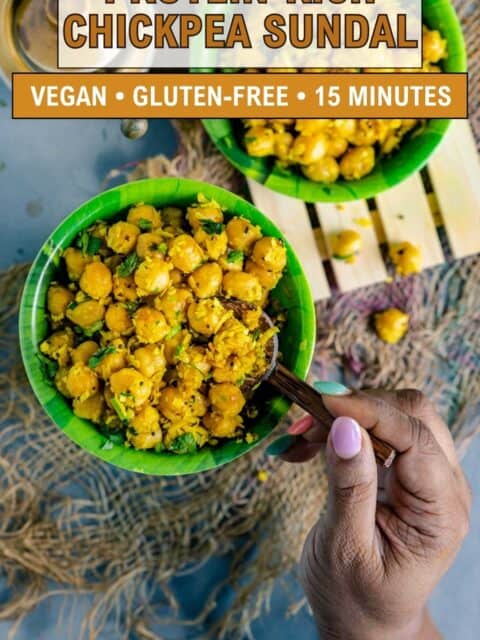
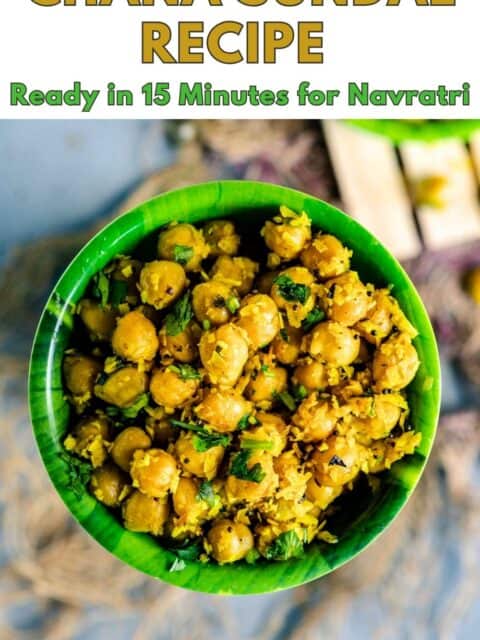
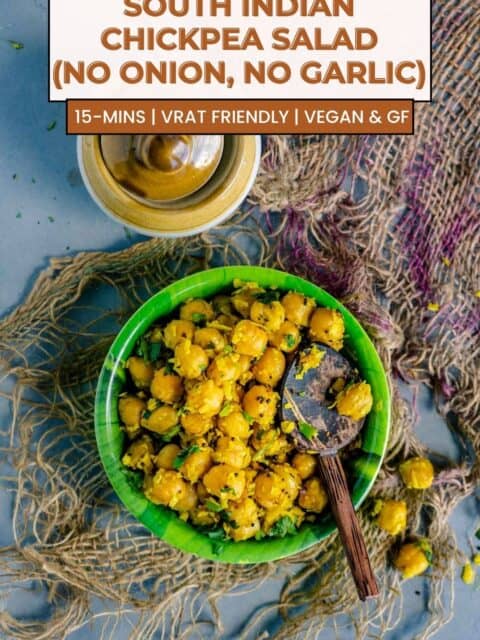
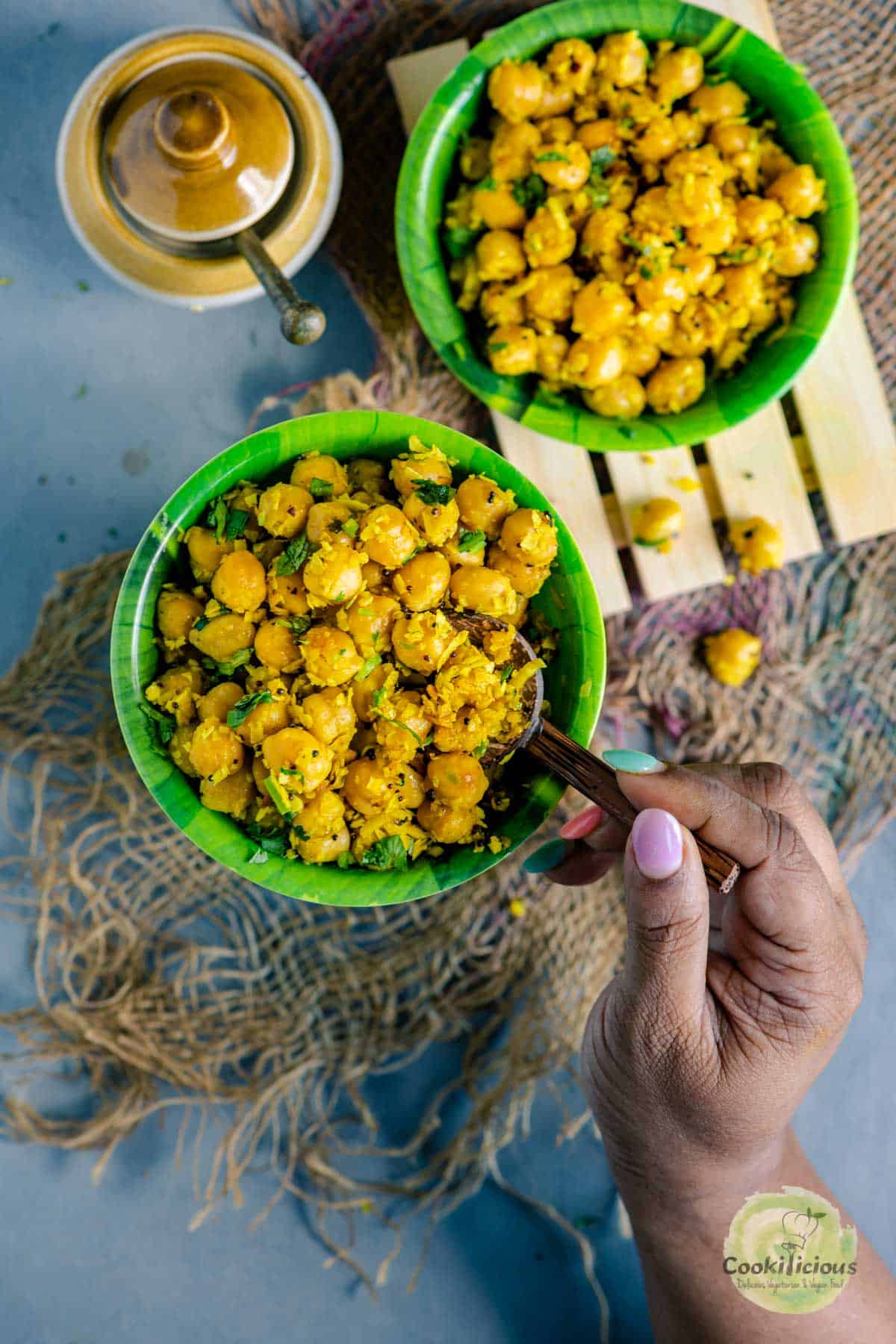
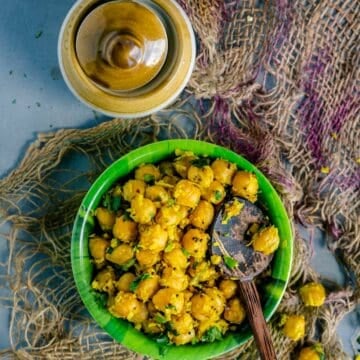
Amma would make 9 varieties of sundal every year for Navratri, ever since I can remember - one for each of the nine days, the recipe almost always the same, just the type of bean or legume changing with each day. This chana (chickpea) sundal recipe is the version I know by heart now, and once you make it, you'll have it memorized too. It's the kind of easy fasting recipe that never feels like a compromise - simple enough for a weeknight, festive enough for any celebration.
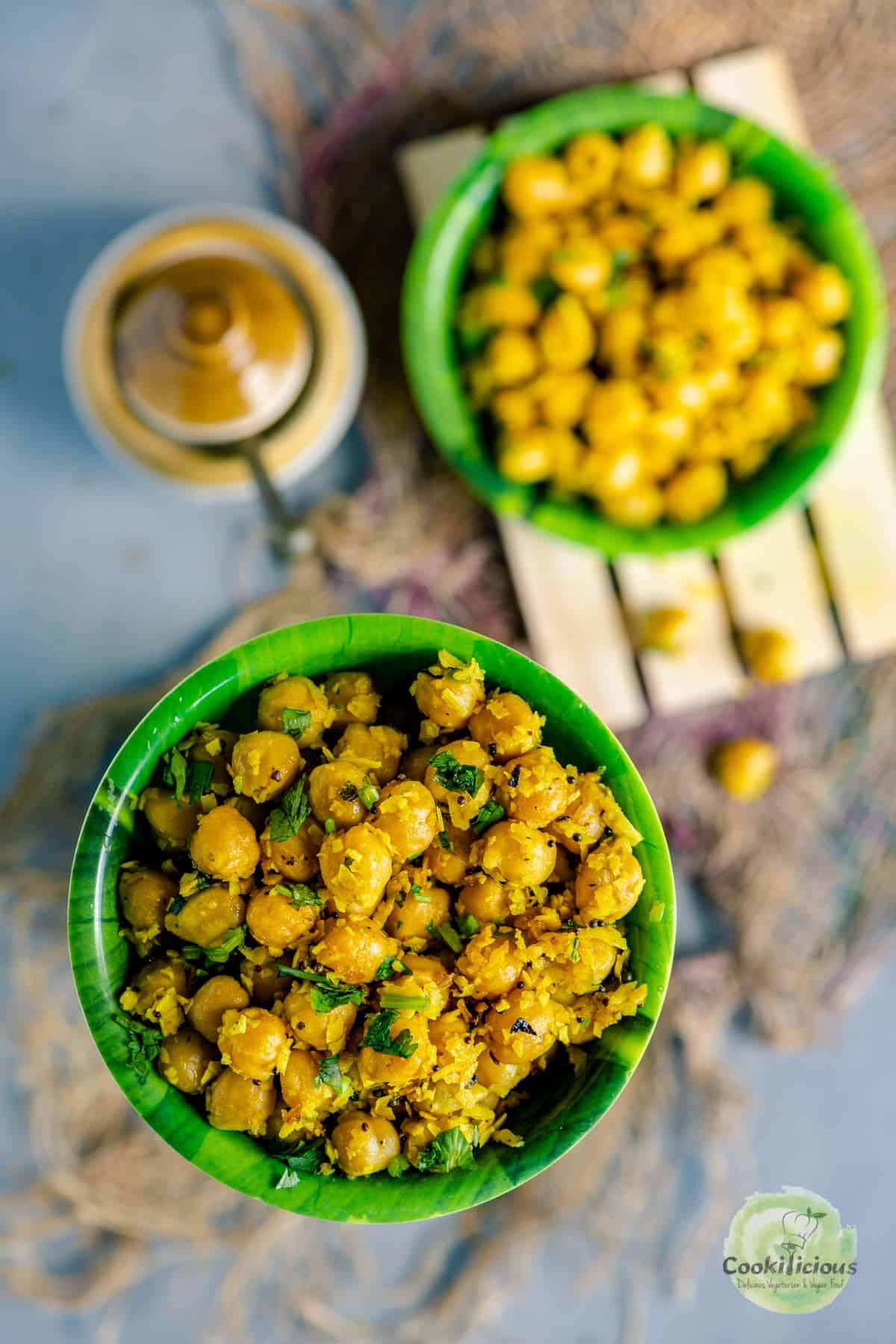
🔍 Quick Look: Easy Sundal Recipe
- 🌍 Cuisine: Tamil, South Indian
- ⏱️ Prep Time: 5 minutes
- 🍳 Cook Time: 10 minutes
- 🕒 Total Time: 15 minutes (with precooked/canned beans)
- 👥 Servings: 6 people
- 📊 Calories: ~ 185.28 kcal per serving (based on nutrition panel)
- 🔥 Cook Method: Stovetop
- 👩🍳 Flavor Profile: Savory, mildly spiced, and delicious
- ⭐ Difficulty: Simple and easy to make
Jump to:
What Is Sundal
Sundal, or chundal, is a very popular South Indian savory dry snack made using different varieties of beans, legumes, and lentils. It is also naturally vegan and can easily be made gluten-free. It's made with very few basic ingredients, is mildly spiced, and genuinely nourishing. The beans, legumes, or lentils are first soaked overnight or for a couple of hours, then cooked al dente, mildly tempered with spices, and garnished with fresh coconut.
It's considered a healthy snack because of the simple ingredients and the cooking method - it's cooked in very little oil, and made with no onion and no garlic, which makes it a natural fit for vrat and satvik cooking during fasting periods - and one of the more genuinely healthy Indian snacks you can make with just a handful of ingredients.
South Indian Chickpea Salad
One of the most popular and common sundal varieties is chana sundal (chickpea sundal), also called Kondakadalai (Kondai Kadalai) Sundal in Tamil. Since this savory snack is hearty and healthy, you can also call it South Indian chickpea salad - unlike a Western-style chickpea salad tossed in a dressing, or the viral Dense Bean Salad, this one gets all its flavor from a quick tempering of mustard seeds, curry leaves, and spiced coconut paste, with no oil-based dressing needed.
Chickpeas, garbanzo beans, or kala chana - any of these varieties can be used to make masala sundal. White chickpeas (also called kabuli chana) give a milder, creamier bite, while black chickpeas (kala chana) are smaller, denser, and slightly nuttier - both work well here, so use whichever you have on hand or prefer. Either way, chickpeas make this one of the more protein-rich Indian vegan snacks you can put together in just 15 minutes if you're using canned beans or precooked beans.
When Is Sundal Made
Sundal is a staple during Navratri, and also shows up during Vinayaka Chaturthi and Janmashtami. During Navratri especially, many South Indian homes make a different sundal every single day of the nine-day festival, each one built around a different hero ingredient. It's also the classic offering served to guests who visit to see the Golu (or Kolu) - the traditional display of dolls and figurines set up during Navratri.
The most common sundal recipes are made with chickpeas, chana dal, moong beans, black-eyed peas (Karamani), green peas, yellow peas, or white peas (pattani), peanuts (Verkadalai), kidney beans, field beans (mochai), and corn.
On certain days, a special sundal called navadhanyam (or navadhanya) is made by mixing 9 grains, offered to the god, and then distributed among the devotees present. In many temples across South India, sundal is also served as prasadam daily.
Growing up, my brother and I would look forward to sundal at the end of any temple visit - it always somehow tasted better inside a temple than at home. Chickpea sundal specifically has always been my favorite, and this vegan Indian chickpea salad is also popular street food, sold along the beaches of Tamil Nadu.
Why make it
- 🌱 Naturally vegan and can easily be made gluten-free - no eggs, dairy, or gluten, just chickpeas, coconut, and a simple tempering
- ⏱️ Ready in just 15 minutes using 9 ingredients - using canned or pre-cooked chickpeas, no long prep required
- 🧾 No onion, no garlic - a genuine vrat and satvik-friendly recipe, perfect for fasting days
- 🙏 A true Navratri staple - one of the most popular sundal recipes served during Navratri Golu, and easy to adapt for Vinayaka Chaturthi or Janmashtami too
- 💪 Protein-packed and filling - one of the healthier Indian vegan snacks you can make with just a handful of pantry staples
- 🍽️ Versatile beyond fasting - works as an easy fasting recipe for dinner, a lunchbox side, or just a quick evening snack any day of the year
- 🌊 A taste of South Indian street food - the same chana sundal sold along the beaches of Tamil Nadu, made right at home
🧾 Ingredients needed
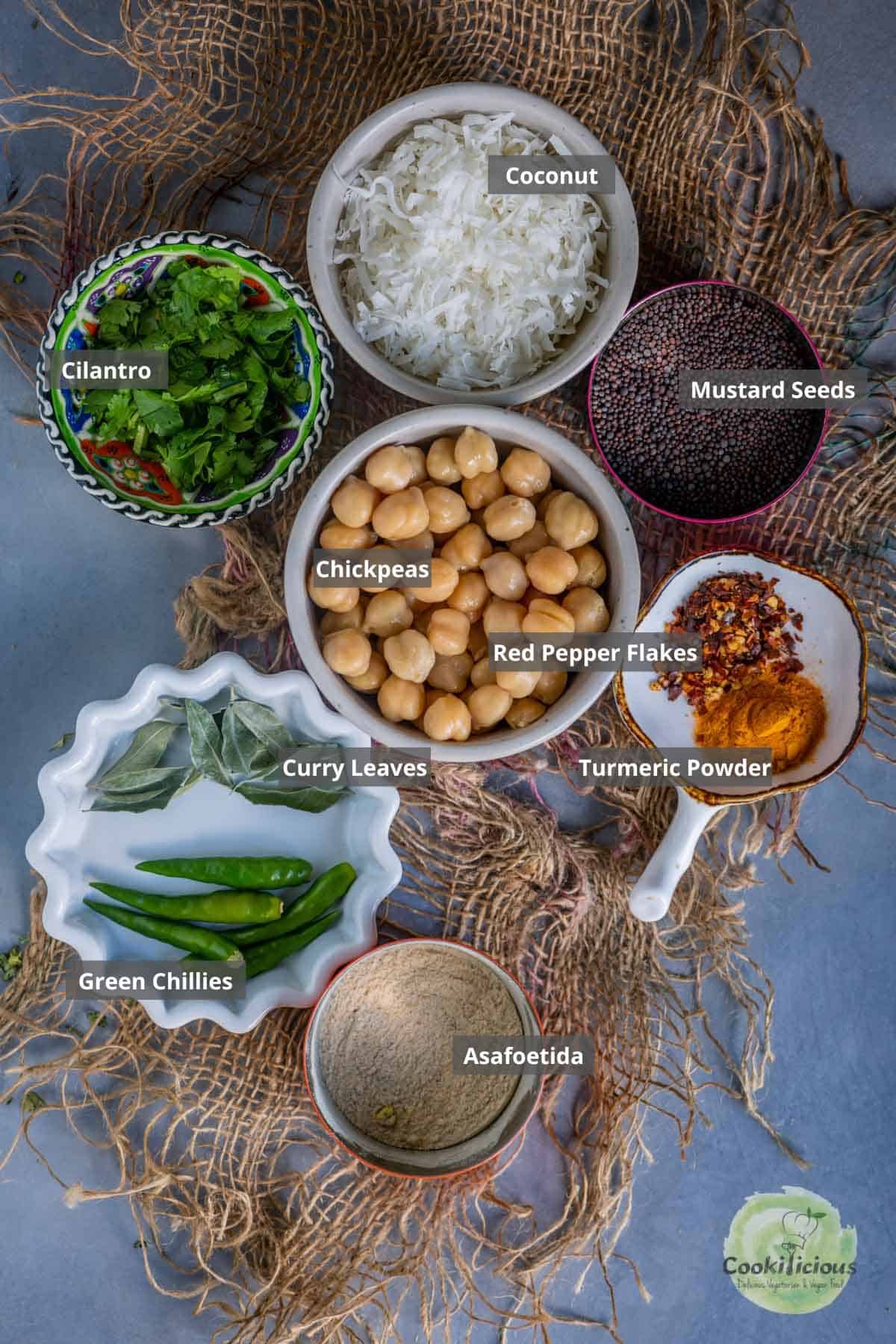
Chickpeas - the star of this sundal recipe and the reazson why it's called chickpea sundal or Kondakadalai sundal! To save cooking time, I use canned chickpeas - the texture is perfect, firm, and holds its shape well. You can also use raw chickpeas or kala chana (black chickpeas) and cook them from scratch after soaking overnight; just be careful not to overcook them, since the beans need to hold their shape rather than turn mushy. That is why I prefer using canned chickpeas to make sundal.
Coconut - normally, freshly grated coconut is used, but dry unsweetened coconut flakes or desiccated coconut work just as well if you don't have fresh on hand. Coconut is what gives this sundal recipe its distinctive earthy flavor and is a defining feature of South Indian sundal.
Spices and Herbs - black mustard seeds, gluten-free asafoetida (hing), red pepper flakes or dried red chillies, green chillies, homemade turmeric powder, fresh curry leaves, and cilantro all come together to make this masala sundal flavorful, while keeping it a genuinely no onion, no garlic recipe.
Asafoetida and turmeric aren't just for flavor here - both are traditionally used to help with digestion, which matters since chickpeas can be heavy on the stomach for some. A little grated or minced ginger added during the tempering stage is a good optional addition for the same reason, if you find legumes tend to sit heavy on you. Asafoetida is easy to skip if you can't find a gluten-free version or don't have it on hand - the sundal will still taste great without it.
🔪 How To Make Sundal At Home
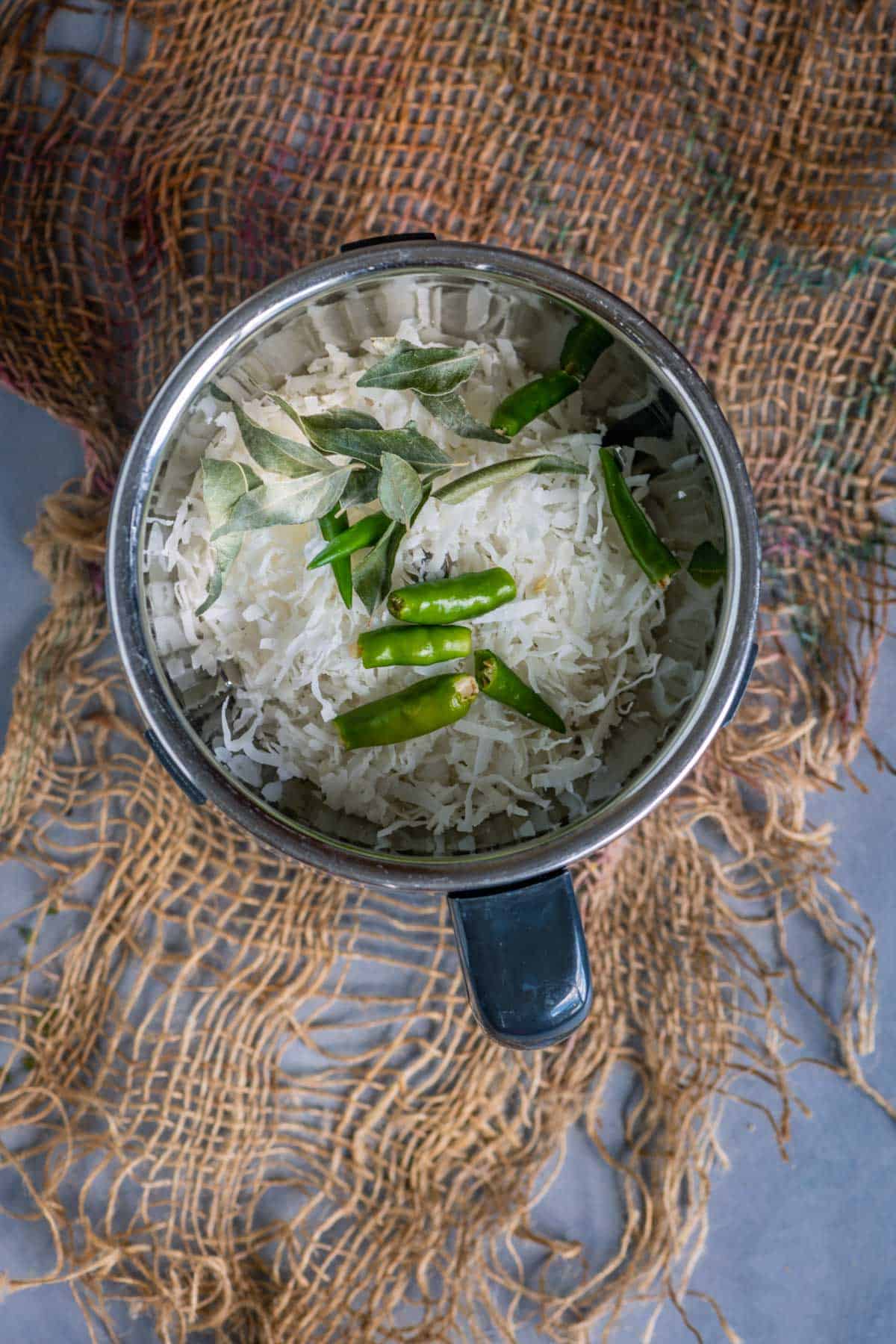
- Step 1: Add coconut, curry leaves, and green chillies to a blender jar.
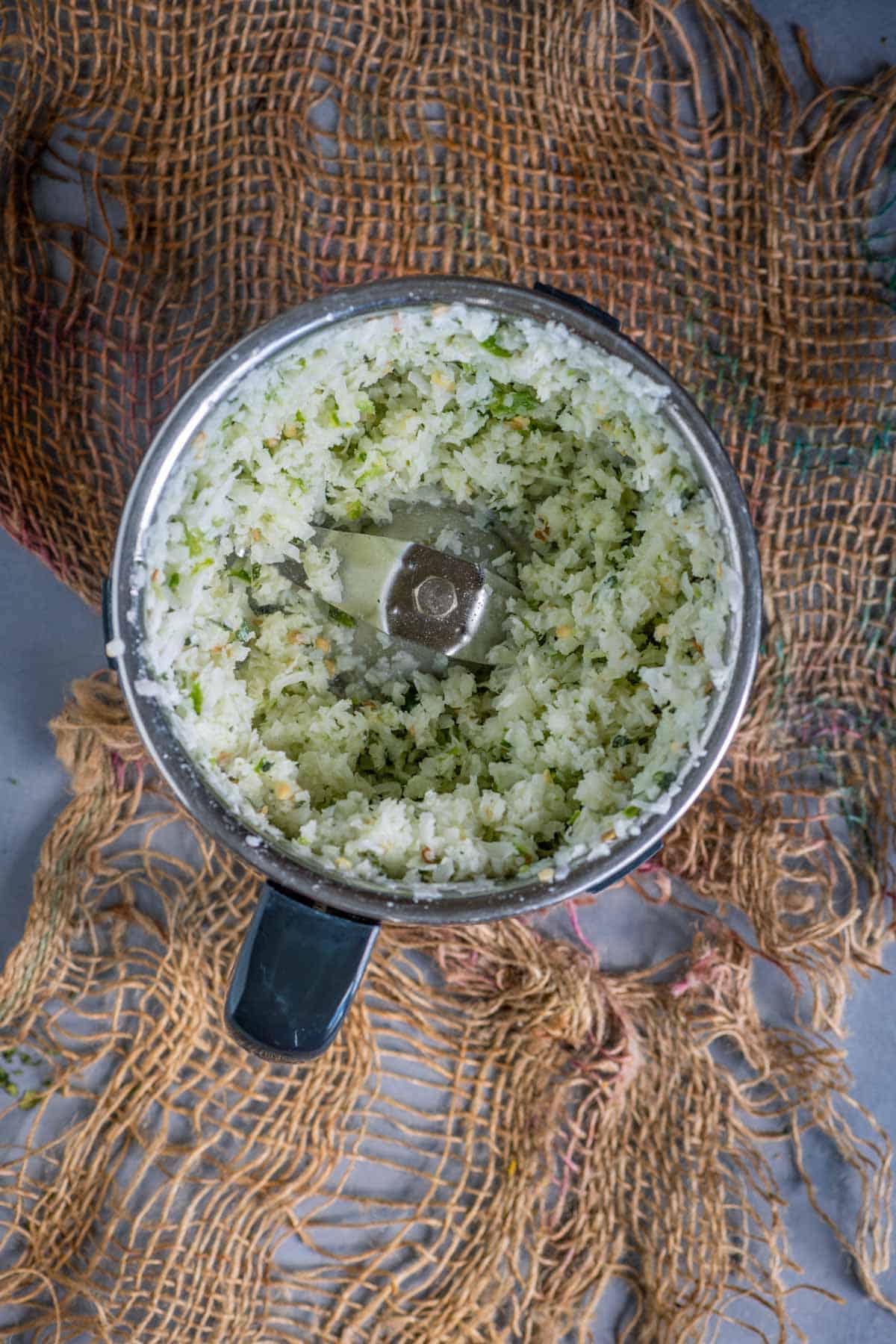
- Step 2: Blitz to make a coarse paste, adding 1-2 tablespoons of water only if needed - fresh coconut usually won't need any. Keep this paste aside. Priya's tip - Do not grind it too smooth. The coarseness adds to the texture of the sundal.
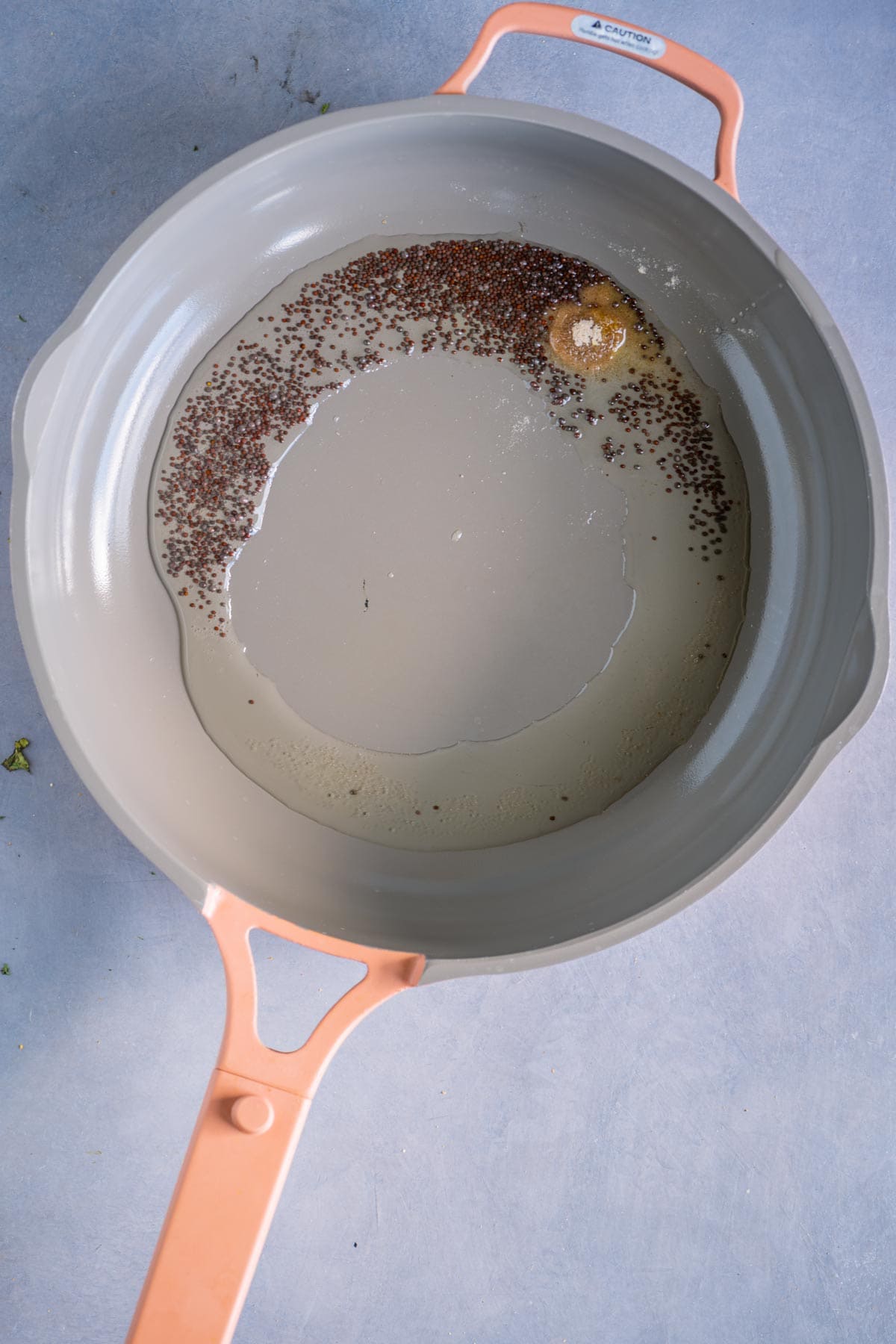
- Step 3: Heat oil in a pan and temper the mustard seeds and gluten-free asafoetida (hing).
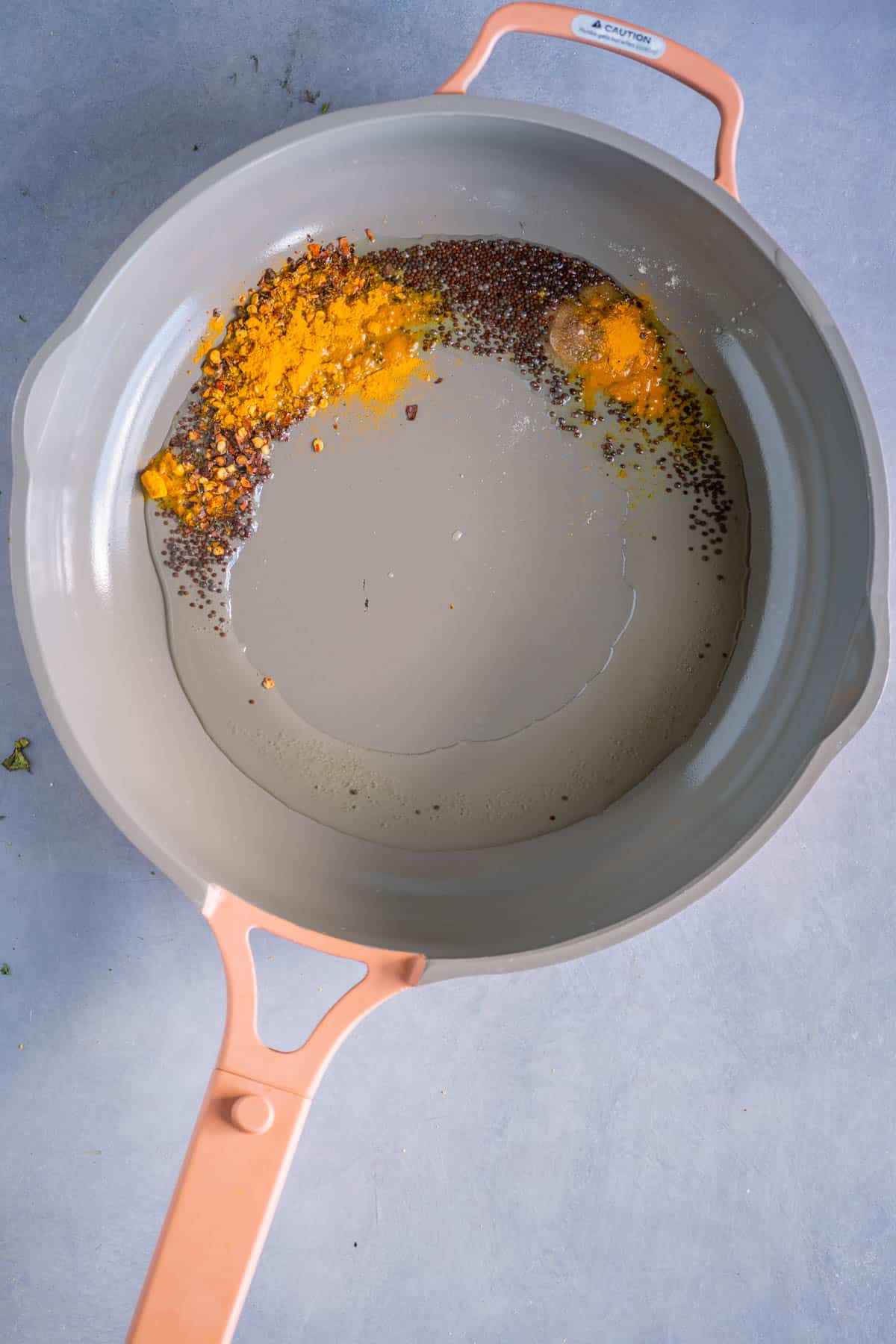
- Step 4: Once the mustard seeds begin to crackle, add the turmeric and red pepper flakes (or 2 dried red chillies) and fry for 15 seconds.
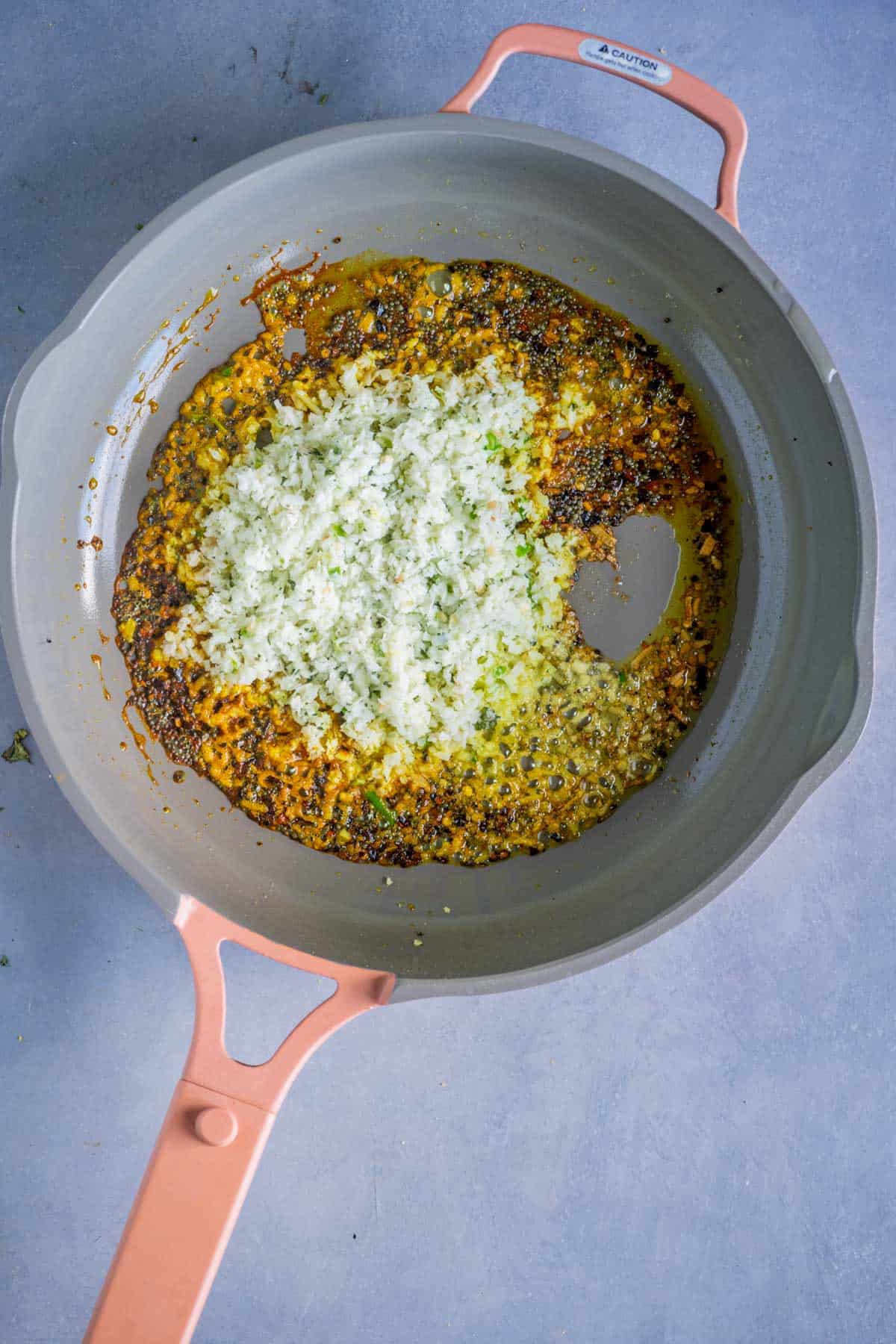
- Step 5: Add the ground coconut paste along with salt, then mix and cook for a minute.
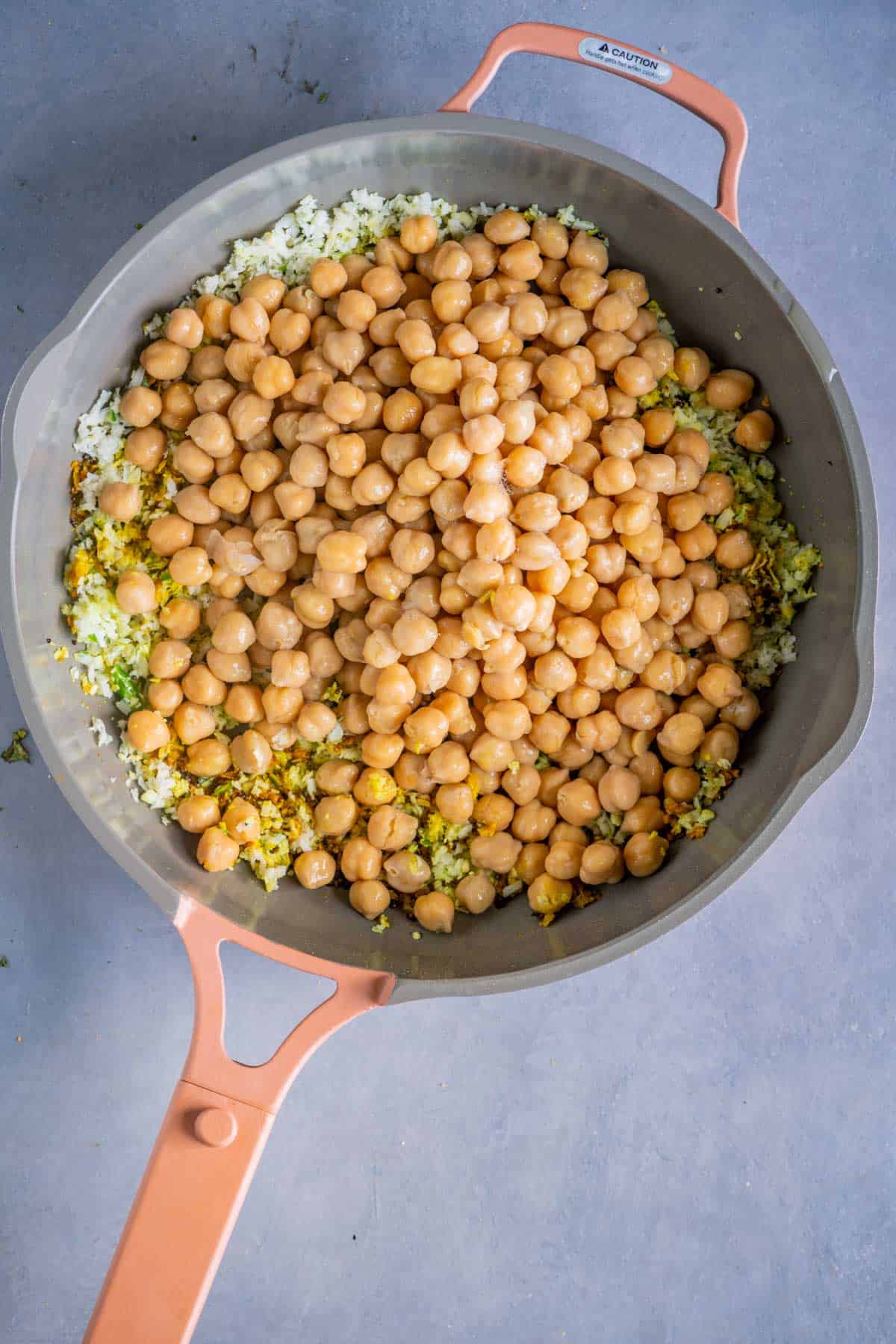
- Step 6: Add the drained and rinsed canned chickpeas to the pan and mix well, cooking for another 2-3 minutes.
Want to save this recipe?
🍽 Serving suggestions
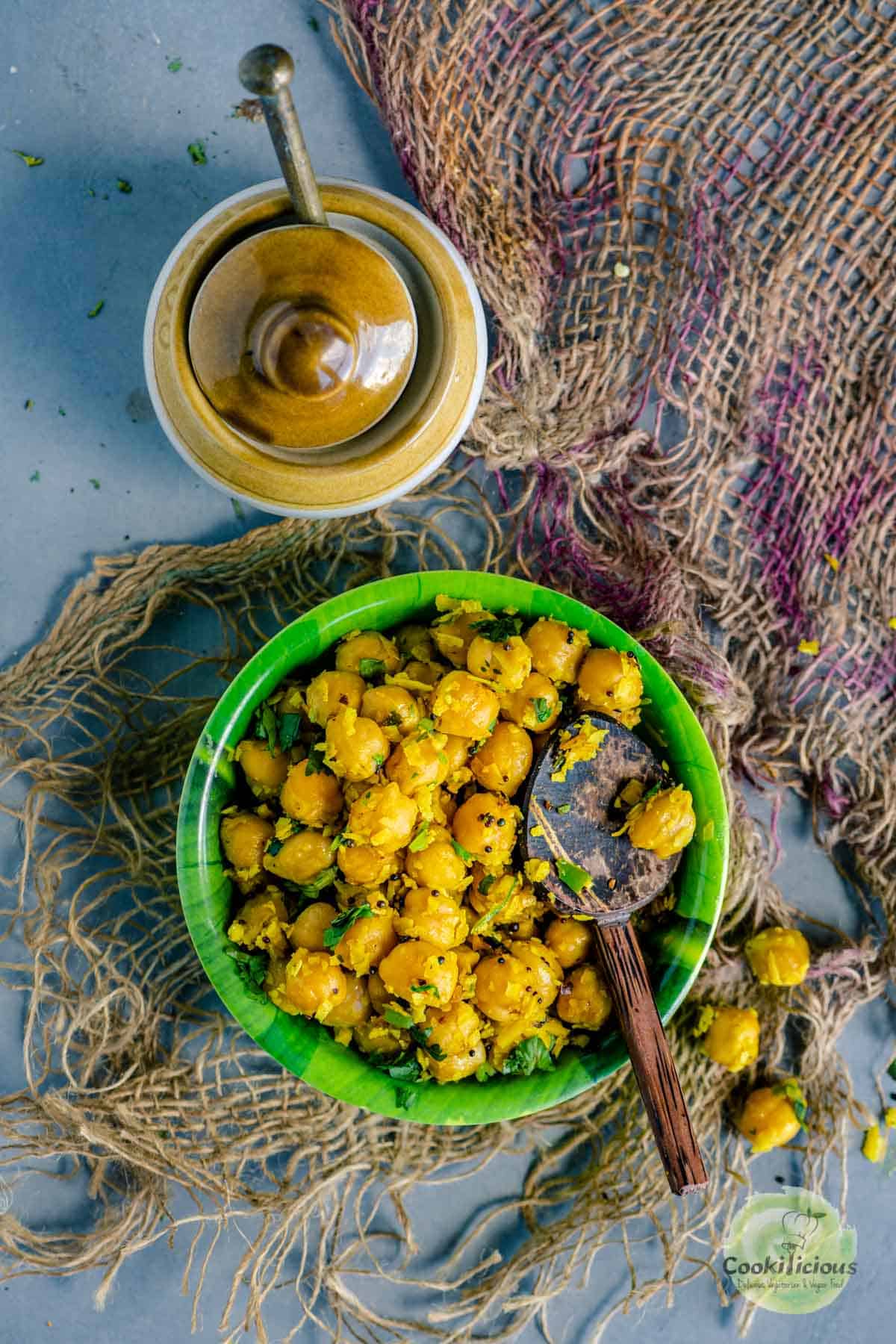
Garnish with chopped cilantro or even chopped green mango (or amchur powder) and serve chana sundal (hot, warm, or at room temperature) as an evening snack or breakfast with a cup of hot masala chai or filter coffee on the side.
For a fun, street-food feel - the way it's traditionally sold on the beach - serve them in small paper cones instead of a bowl; it's a nice touch for parties or if you're recreating that Marina Beach experience at home.
It's a great snack to have in-between meals, as a salad, post-workout, as an accompaniment on the thali, or packed in a lunchbox alongside chapati, puri, or steamed rice. This South Indian chickpea salad is healthy and very filling, and also works well as a side dish with steamed rice and tomato rasam for a full meal.
This sundal/chundal recipe is commonly prepared during Indian festivals like Navratri, Ganesh Chaturthi, or Janmashtami, and is also made as a prasadam or neivedhyam - if you're offering it to God first, let it cool slightly before doing so.
Navratri Menu Ideas
More Sweet Navratri Recipes: Round out your Navratri spread with Rice Kheer, Seviyan Kheer, Sabudana Kheer, Aval Kesari, Chakkara Pongal, Steamed Modak, Teff Kheer Porridge, Carrot Halwa, Sweet Potato Puran Poli, Beetroot Halwa, and Sweet Corn Pudding.
More Savory Navratri Recipes: Pair your sundal with Rasedar Aloo Poori, Paruppu Sevai, Lemon Rice, Thenga Sadam, Puliyogare, Avial, Ven Pongal, Kuttu Dosa, Sesame Rice, Sweet Potato Masala Puri, Teff Idli, Pesarattu, Mor Kuzhambu, Paruppu Vadai, Kara Adai (without onions), Beans Poriyal, Ammini Kozhukattai, Sabudana Khichdi, Poosanikai Kootu, and Puli Aval Upma.
💭 Priya's Recipe Tips
- If you're short on time, but want to use raw chickpeas to make sundal, soaking them in hot (not cold) water for 3-4 hours cuts the soaking time down significantly compared to a full overnight soak in room-temp water.
- Save the water the chickpeas cook in (if cooking raw) - we use it as a base for paruppu rasam, arachuvitta sambar or a light lentil soup instead of discarding it.
- Coconut oil is considered the most classic, traditional choice for the tempering here, though any neutral oil works fine if that's not what you usually keep on hand.
- Asafoetida is easy to skip if you can't find a gluten-free version, and there's no need for a direct substitute - the sundal will still taste great without it. Use regular hing if you are not following a gluten-free diet. You can add ginger paste, or freshly ground black pepper instead to help with digestion.
📖 Sundal Recipe FAQs
You can use any variety of beans like red kidney beans, navy beans, pinto beans, black beans, black-eyed peas, yellow peas, white peas, edamame, green peas, mung beans, etc. You can also make it just with boiled peanuts. It's called Verkadalai Sundal and is a very popular South Indian snack made during festivals like Navratri. Lentils like soaked and steamed chana dal, moong dal, or horse gram dal can also be used. Sweet corn is also a popular ingredient for sundal.
To save cooking time, I have used canned chickpeas to make my Navratri sundal. It also works because its texture is perfect. It is firm and holds its shape. But you can also use raw chickpeas and cook them after soaking them overnight or for 8 hours. Boil them in water with salt and turmeric powder. Cook it for 5-6 whistles in a pressure cooker or use an Instant Pot. Pressure cook it for 18 minutes. Whatever mode you use, ensure they are cooked al dente.
Normally, freshly grated coconut is used. But if you don't have access to it, you can also use dry unsweetened coconut flakes, shredded, or desiccated coconut. You can also make sundal without coconut entirely - some families skip it and use a spice mix like homemade sambar powder instead for a different flavor.
Yes, this chana sundal recipe scales up or down easily - just use a wider pan when doubling so everything cooks evenly instead of steaming in its own moisture.
If you're cooking chickpeas at home rather than using canned, the most common cause of a mushy sundal is overcooking at that initial cooking stage - chickpeas should come out al dente, firm enough to hold their shape, not soft enough to fall apart. Keep an eye on the whistle count or cooking time rather than letting them go longer "just to be safe."
The second most common cause is what happens after - once the chickpeas go into the tempering, be careful when tossing them around, since even perfectly cooked chickpeas can turn mushy if they're stirred too roughly or left in the pan too long.
Thengai (or thenga) means coconut, mangai (or manga) means mango, and pattani means peas in Tamil. This Pattani Sundal is a popular Chennai street food, especially served at Marina Beach - which is how it gets its name.
To make it, just follow this sundal recipe as is, swapping chickpeas for pattani (yellow or green peas) - the same peas used in my Pattani Kuzhambu - and garnish with chopped raw mango instead of (or alongside) cilantro.
Since this sundal recipe contains coconut, it will stay well in the fridge for 1-2 days. If you plan to store it longer (4-5 days), skip adding the ground coconut paste, or add fresh coconut right before serving.
The finished sundal doesn't freeze well, since the coconut and herbs turn watery once thawed - but you can freeze plain cooked chickpeas ahead of time in a single layer, then thaw and do the tempering and add coconut fresh whenever you're ready to eat.
Yes - cook the soaked chickpeas in water first in the Instant Pot for 18 minutes in manual/pressure mode, then drain and transfer them to a bowl. Switch the Instant Pot to Sauté mode, do the tempering, add the ground coconut paste, then add the cooked (or canned) chickpeas and mix. Add 1-2 tablespoons of water to prevent the chickpeas from burning or sticking to the bottom of the pot, and cook for 2-3 minutes. Garnish with cilantro and transfer to a serving bowl. Instant Pot sundal is ready!
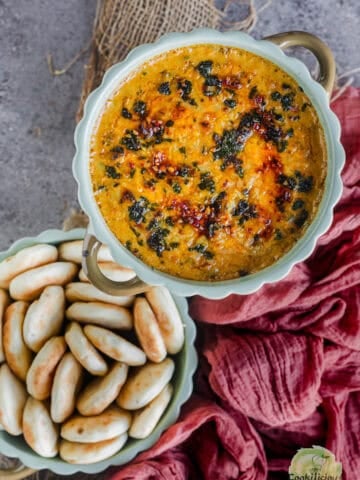
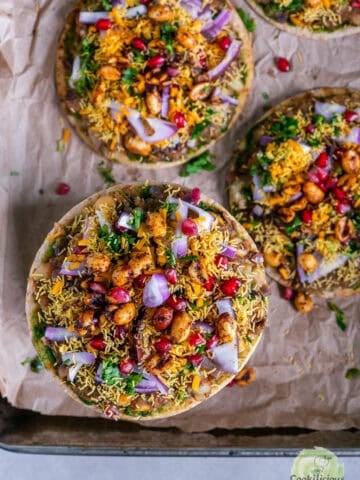
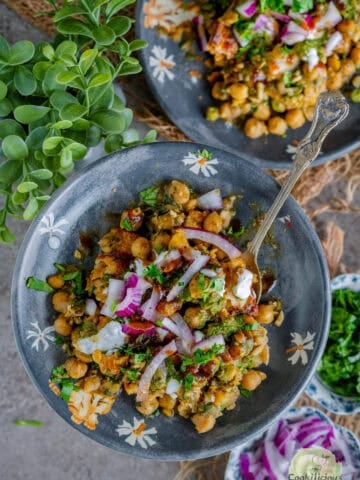
More chickpea recipes

Recipe 📖
Chana Sundal (South Indian Chickpea Salad)
Equipment
Ingredients
To make the coconut paste
- ½ cup shredded coconut
- 2-3 green chillies
- 4-5 curry leaves
To make sundal
- ½ tablespoon coconut oil
- 1 teaspoon mustard seeds
- ¼ teaspoon gluten-free asafoetida
- ½ teaspoon turmeric powder
- ½ teaspoon crushed red pepper flakes
- salt
- 31 oz canned chickpeas
- ⅓ cup chopped cilantro
Instructions
- Add coconut, curry leaves, and green chillies to a blender jar.
- Blitz to make a coarse paste, adding 1-2 tablespoons of water only if needed - fresh coconut usually won't need any. Keep this paste aside. Priya's tip - Do not grind it too smooth. The coarseness adds to the texture of the sundal.
- Heat oil in a pan and temper the mustard seeds and gluten-free asafoetida (hing).
- Once the mustard seeds begin to crackle, add the turmeric and red pepper flakes (or 2 dried red chillies) and fry for 15 seconds.
- Add the ground coconut paste along with salt, then mix and cook for a minute.
- Add the drained and rinsed canned chickpeas to the pan and mix well, cooking for another 2-3 minutes. Garnish with chopped cilantro or even chopped green mango and serve chana sundal warm.
Notes
- If you're short on time, but want to use raw chickpeas to make sundal, soaking them in hot (not cold) water for 3-4 hours cuts the soaking time down significantly compared to a full overnight soak in room-temp water.
- Save the water the chickpeas cook in (if cooking raw) - we use it as a base for paruppu rasam, arachuvitta sambar or a light lentil soup instead of discarding it.
- Coconut oil is considered the most classic, traditional choice for the tempering here, though any neutral oil works fine if that's not what you usually keep on hand.
- Asafoetida is easy to skip if you can't find a gluten-free version, and there's no need for a direct substitute - the sundal will still taste great without it. Use regular hing if you are not following a gluten-free diet. You can add ginger paste, or freshly ground black pepper instead to help with digestion.
Yasmin says
Hi Priya I would love to try making this, but can’t eat coconut. Was wondering if you have any suggestions for a substitute that could work instead?
Priya says
You can skip adding coconut It tastes good even without the ground paste.
Yasmin says
Thanks I give this a try
Bina says
HHi Priya, I am from South India and am familiar with sundal, but grinding the coconut, chilies and curry leaves was a nice twist and made the taste much much better.
Love your recipes ! Ohh,and my daughter’s name is Priya too !!
Thanks
Bina
Priya says
Hi Bina, Glad you liked the recipe. Thank you. Lots of love to your daughter Priya 🙂