
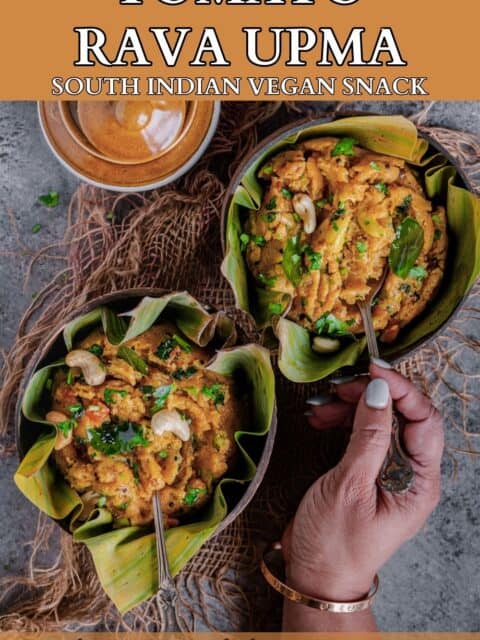

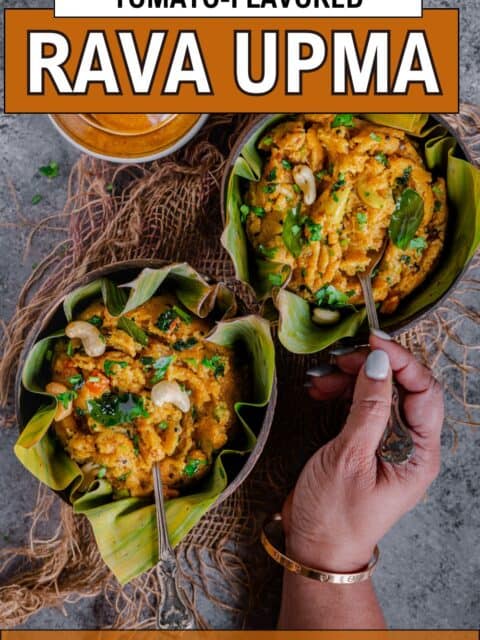
Tomato Rava Upma is a flavorful twist on the classic South Indian rava upma recipe, where juicy tomatoes add a gentle tang and beautiful color to this comforting dish. Naturally vegan, this mildly spiced upma recipe comes together in just 40 minutes, making it perfect for busy mornings. Serve this tomato upma for breakfast, brunch, or even as a light evening snack with coconut chutney or a cup of filter coffee.
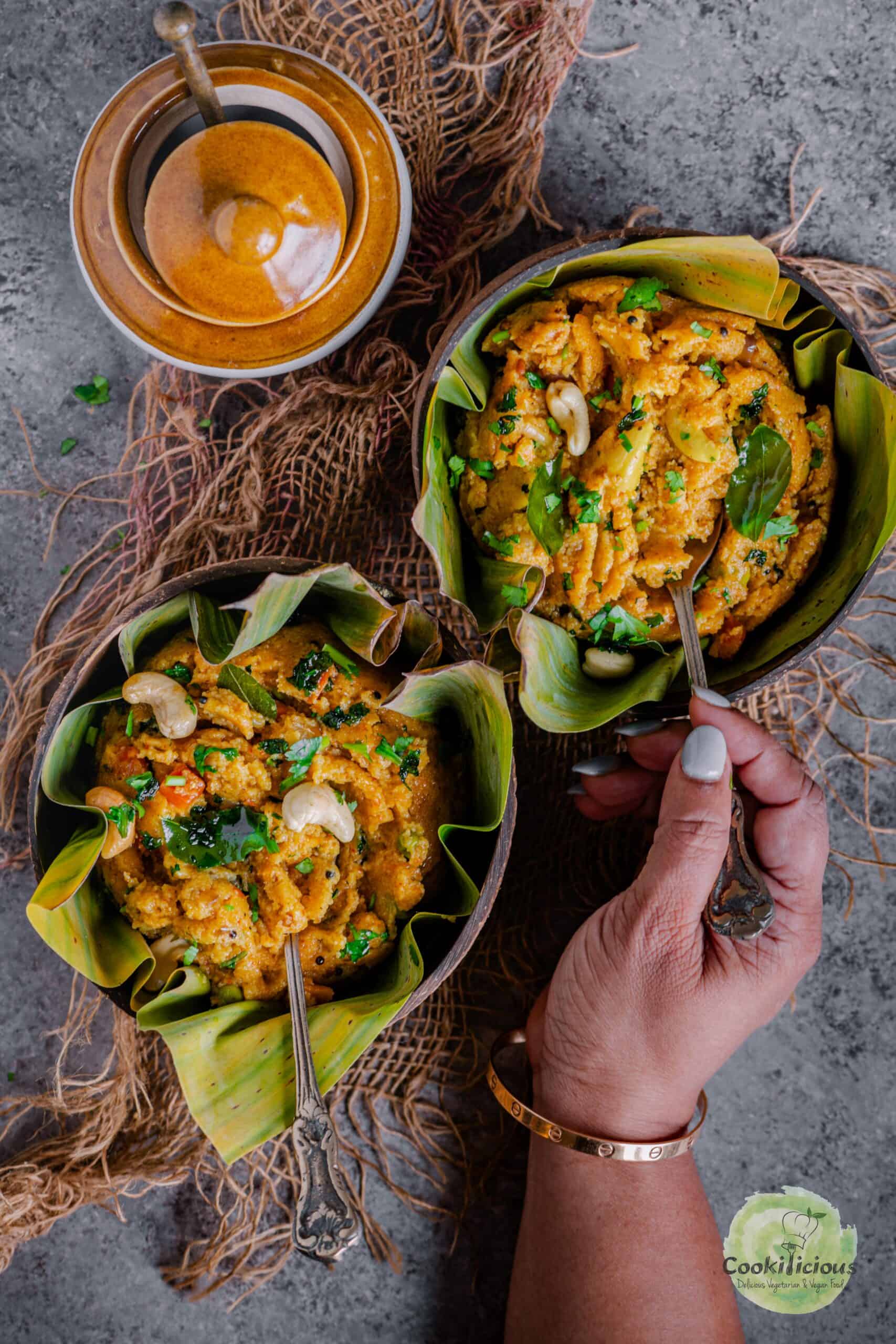
🔍 Quick Look: Tomato Rava Upma
- 🌍 Cuisine: South Indian
- ⏱️ Prep Time: 15 minutes
- 🍳 Cook Time: 25 minutes
- 🕒 Total Time: 40 minutes
- 👥 Servings: 4 people
- 📊 Calories: ~ 386.19 kcal per serving (based on nutrition panel)
- 🔥 Cook Method: Stovetop
- 👩🍳 Flavor Profile: Savory, porridge-like, mildly spiced, and wholesome
- ⭐ Difficulty: Simple and easy to make
Need to Substitute An Ingredient Or Didn't Find The Answers You Were Looking For?
Ask AI To Answer Based On This Specific recipe:
* Disclaimer - I am not responsible for the quality of suggestions AI makes.
Jump to:
What Is Rava Upma
Rava Upma is a traditional South Indian breakfast and snack recipe made with roasted semolina (rava or sooji), tempered spices, and sautéed vegetables. This savory, porridge-like dish has a soft texture and is warm, comforting, and satisfying to eat. I love that my rava upma recipe is quick and easy to prepare, packed with simple flavors, and gentle on the stomach. It's wholesome, filling, and made with basic pantry ingredients.
It is known by different names across regions, such as Rava Khichdi, Sooji Upma, Godhumai Rava Upma, or Uppitu. It's considered a nourishing and nutritious dish, especially when loaded with veggies.
Though it is a staple in South Indian homes and restaurants, rava upma is popular throughout India. You can also make upma using other ingredients like poha, bread, broken wheat, or vermicelli. Just like Kanda Poha and Sabudana Khichdi are classic breakfast recipes from Maharashtrian cuisine, Uppitu and Ven Pongal are cult favorites from South India.
You can also make uppitu using other ingredients like poha (Tamarind Upma), bread (Bread Upma), poha (Cilantro Upma), or vermicelli (Paruppu Sevai).
Tomato Rava Upma - A Flavorful Twist
I love bringing you unique and comforting snack recipes like Ammini Kozhukattai, Potato Fritters, Alu Vadi, Cabbage Fritters, Steamed Lentil Balls - and now this Tomato Rava Upma. This simple twist on the classic rava upma recipe adds so much more depth and flavor to an everyday South Indian favorite.
Adding fresh tomato puree to traditional rava upma instantly elevates it, much like it does in Tomato Cheela or Tomato Rice. It lends a gentle tang, enhances the overall flavor of this vegetable upma, and gives it a beautiful reddish hue that makes it even more inviting. This tomato upma variation feels familiar yet refreshingly different.
The addition of tomato puree mainly changes the flavor profile while keeping the heart of the original upma recipe intact. The texture of rava upma can vary - it can be light and fluffy or slightly soft and porridge-like - depending on the water ratio and cooking technique. When made correctly, it turns out soft, non-sticky, and perfectly comforting.
This is my mother-in-law's recipe, and it's truly my favorite. She always makes this tomato rava upma for me when we visit Bombay, or when she visits us here. It's one of those nostalgic dishes that feels like home in every bite. If you're bored of plain rava uppitu and looking for a flavorful variation, this easy tomato upma recipe is definitely worth trying.
Why Make It
- 🥣 A comforting, wholesome, and nourishing South Indian rava upma recipe that works perfectly for breakfast or an evening snack
- 🌱 Naturally vegan and soy-free, making this tomato upma suitable for a variety of dietary preferences
- ⏰ An easy one-pot meal that comes together in just 40 minutes, perfect for busy mornings
- 💛 Light yet satisfying - a low-calorie, high-fiber recipe when loaded with vegetables
- 🍅 A classic savory semolina porridge with a flavorful tomato twist
- 🥕 Easily customizable - add your favorite vegetables to turn this into a hearty meal
- 👩🍳 Beginner-friendly and made with simple pantry staples
🧾 Ingredients Needed
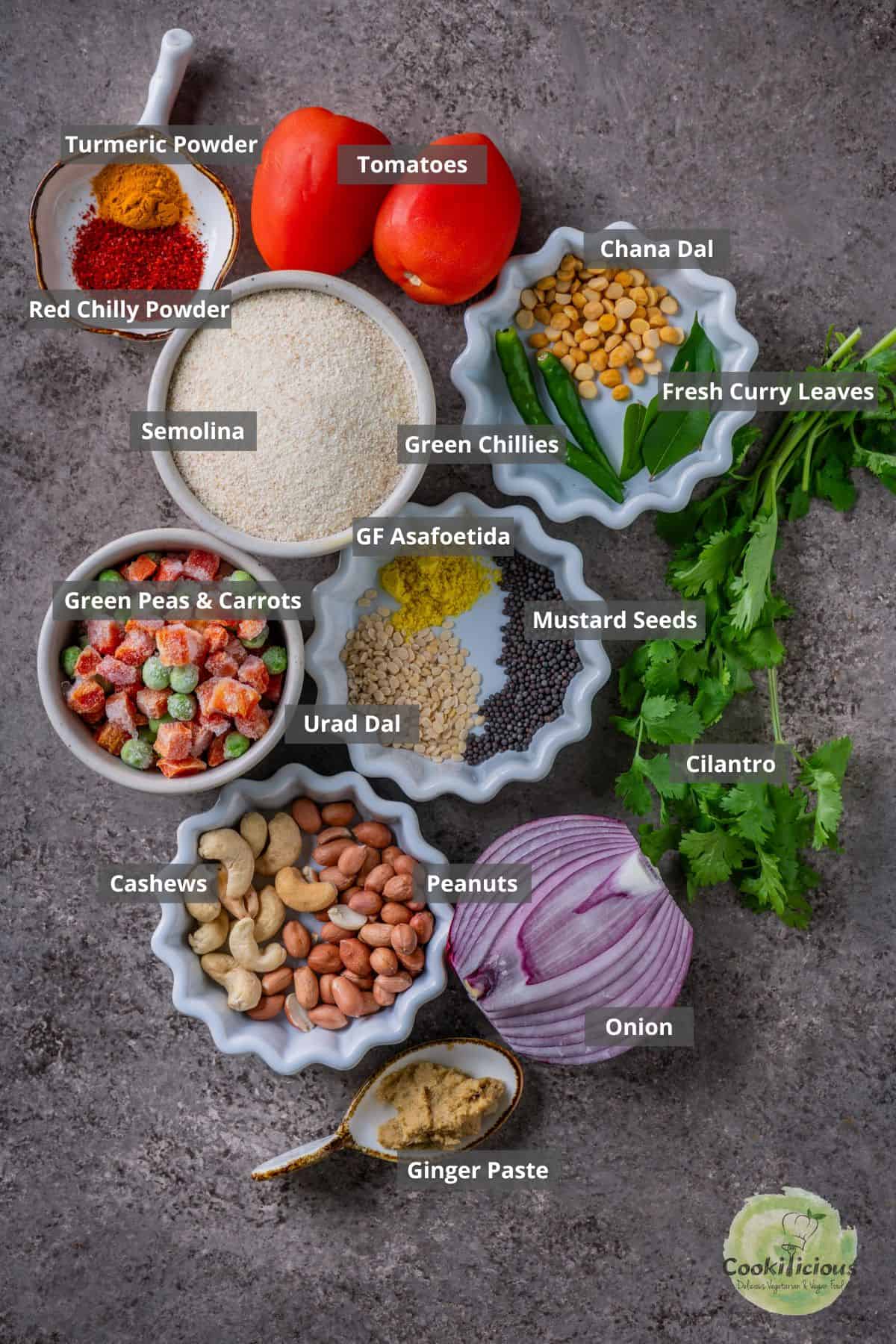
Semolina (Rava / Sooji)
Semolina (coarsely ground wheat) - also known as Bombay Rava, Sooji (Suji), or Cream of Wheat - is the key ingredient for making authentic rava upma recipe. For the best texture, use the coarse or thick variety commonly found in Indian grocery stores and labeled as Bombay Rava. This gives rava upma its signature fluffy, grainy texture.
You can use fine rava if that's what you have, but the texture will be softer and slightly pasty. Avoid buying packets labeled semolina flour, as that is too fine and won't give the right consistency for vegetable tomato upma. Always check that the sooji is fresh and within its shelf life, as stale rava can taste slightly bitter.
Recipes like Rava Ladoo, Onion Rava Dosa, and Oats Rava Idli are other delicious dishes you can make using coarse semolina.
Vegetables
Onions, green peas, and carrots are the vegetables I usually add to my tomato rava upma. They add sweetness, color, and texture.
Tomatoes
Fresh puree made from ripe, juicy tomatoes gives this tomato upma its vibrant color and mild tangy flavor. Using fresh tomatoes instead of canned helps maintain the authentic taste of this South Indian classic.
Spices and Tempering
Mustard seeds, hing (asafoetida), ginger paste, green chilies, turmeric powder, red chili powder, and curry leaves form the aromatic base of this dish. Tempering these spices in hot ghee or oil releases their essential flavors and creates the signature foundation of any classic South Indian rava upma.
You can adjust the green chilies and red chili powder to control the spice level.
Lentils
Urad dal and chana dal are added to the tempering. They toast beautifully in ghee and add a slight crunch and nutty flavor to the dish. This textural contrast is what makes a well-made rava uppitu recipe so satisfying.
Nuts
Peanuts and cashews are added for richness and crunch. They elevate the texture of this classic vegetable rava upma and give it a subtle festive touch. You can skip them for a lighter version, but they do add wonderful flavor.
Fat for Cooking
Rava Upma tastes best when cooked in ghee, as it enhances the overall flavor and aroma. However, if you're making a vegan version, you can use dairy-free ghee or any neutral cooking oil. Either way, the key to a good upma recipe is properly roasting the rava and tempering the spices well.
🔪 How To Make Tomato Rava Upma
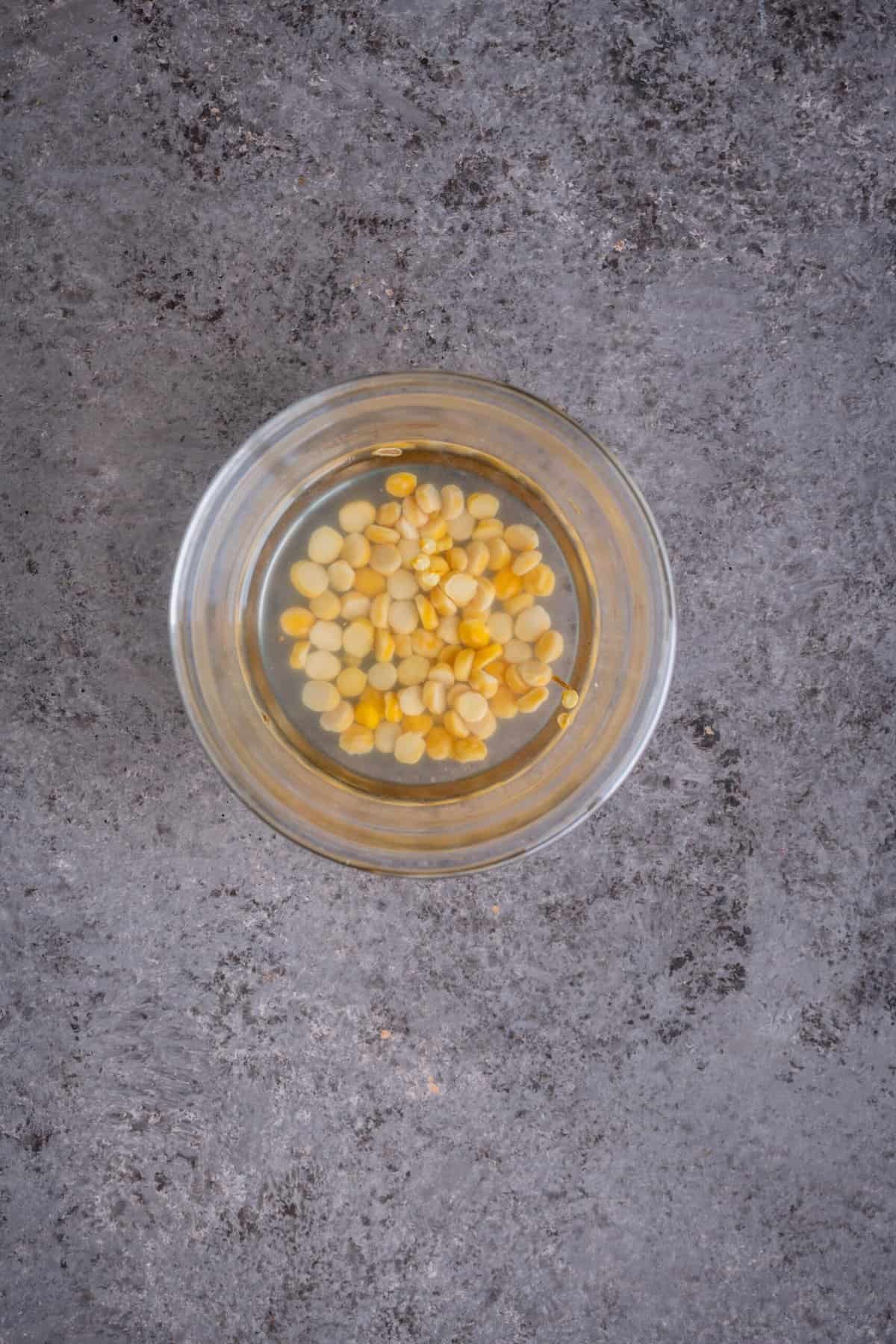
- Step 1: Soak chana dal in water for about 10 minutes. This helps the lentils soften slightly so they cook evenly and add a gentle crunch.
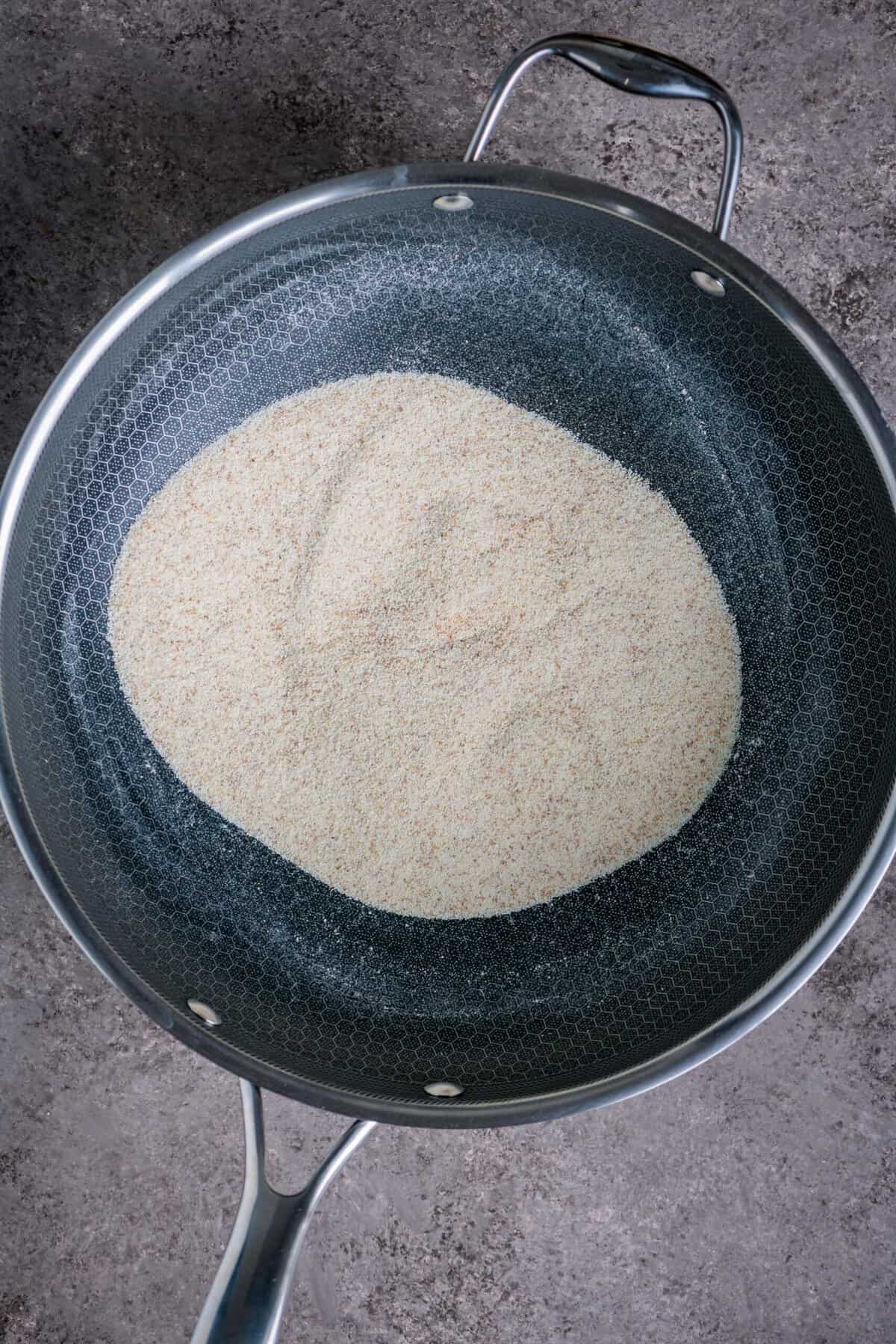
- Step 2: Dry roast the coarse rava (sooji/semolina) in a wide pan over medium heat until it releases a nutty aroma and begins to look dry, separate, and slightly crisp. Keep stirring continuously so it roasts evenly and doesn't burn. This should take about 4-5 minutes. Do not let the rava brown. Immediately transfer the suji to a plate and set aside. Chef's Tip: For extra flavor, you can add 1 teaspoon of ghee while roasting the rava. Roasting properly is the key to making soft, fluffy rava upma that's light and non-sticky.
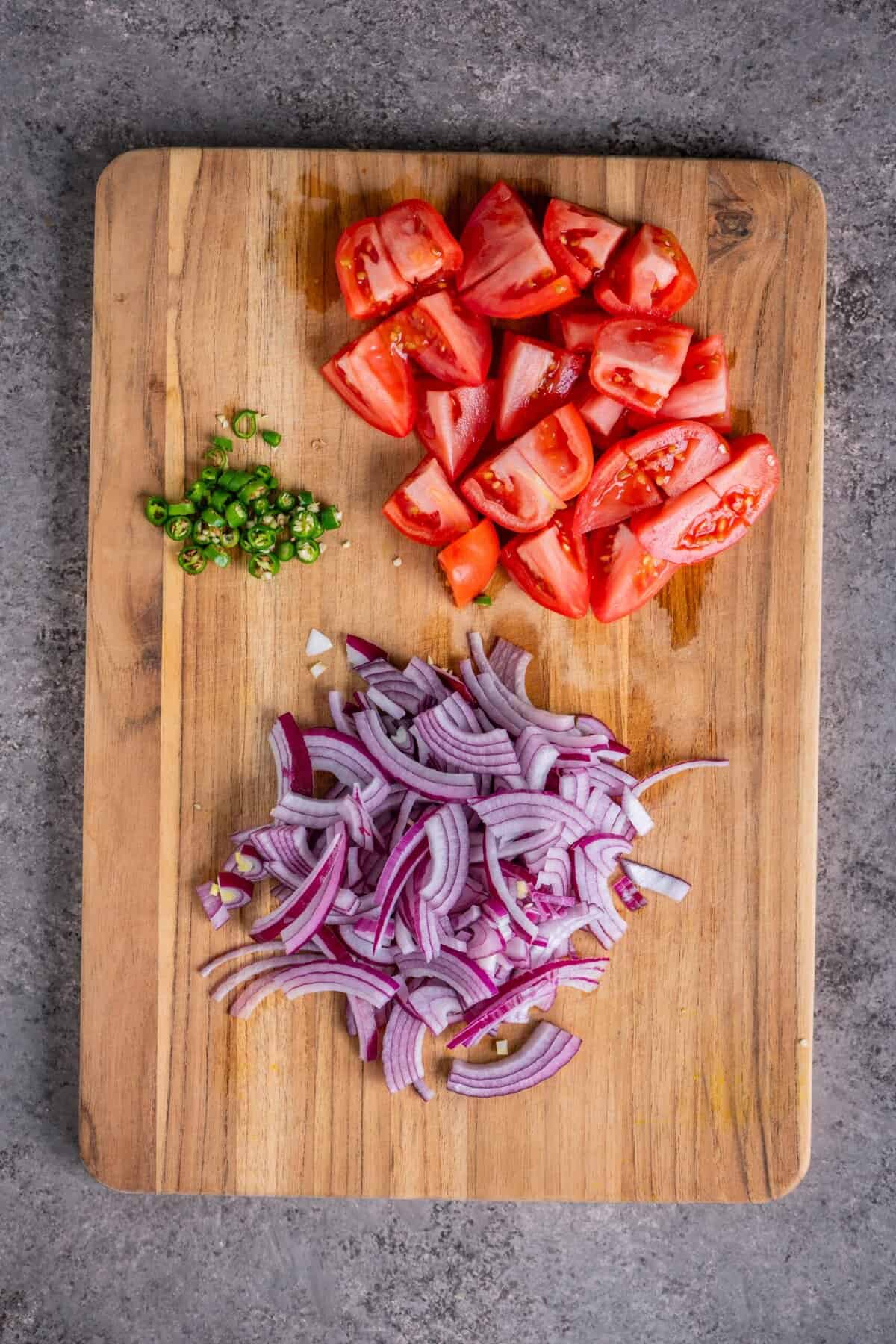
- Step 3: Roughly chop the tomatoes. Finely chop the green chilies and thinly slice the onions. Keep all ingredients ready before starting, as this South Indian upma recipe comes together quickly.
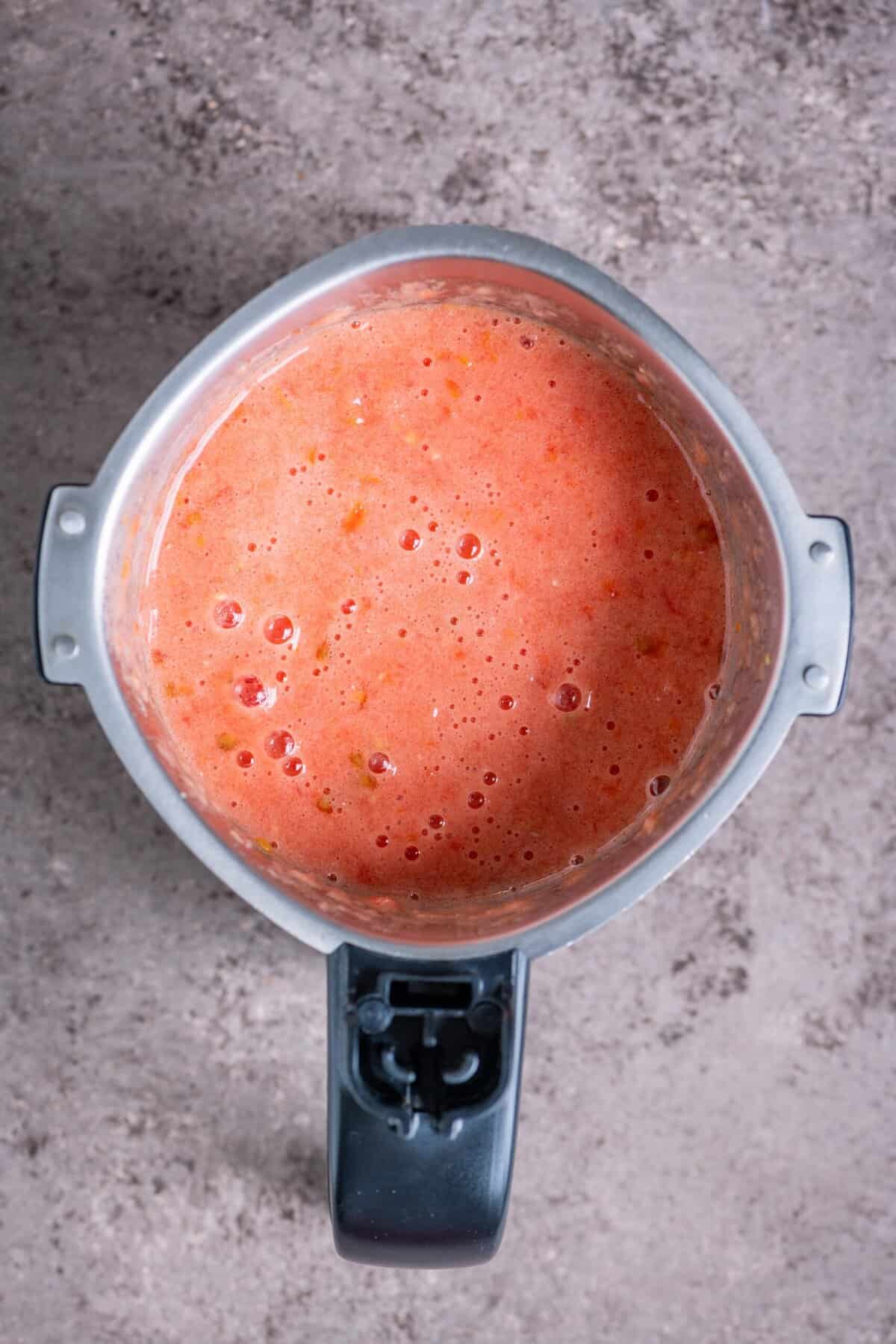
- Step 4: Blend the chopped tomatoes into a smooth puree. No need to add water, as tomatoes release enough moisture naturally.
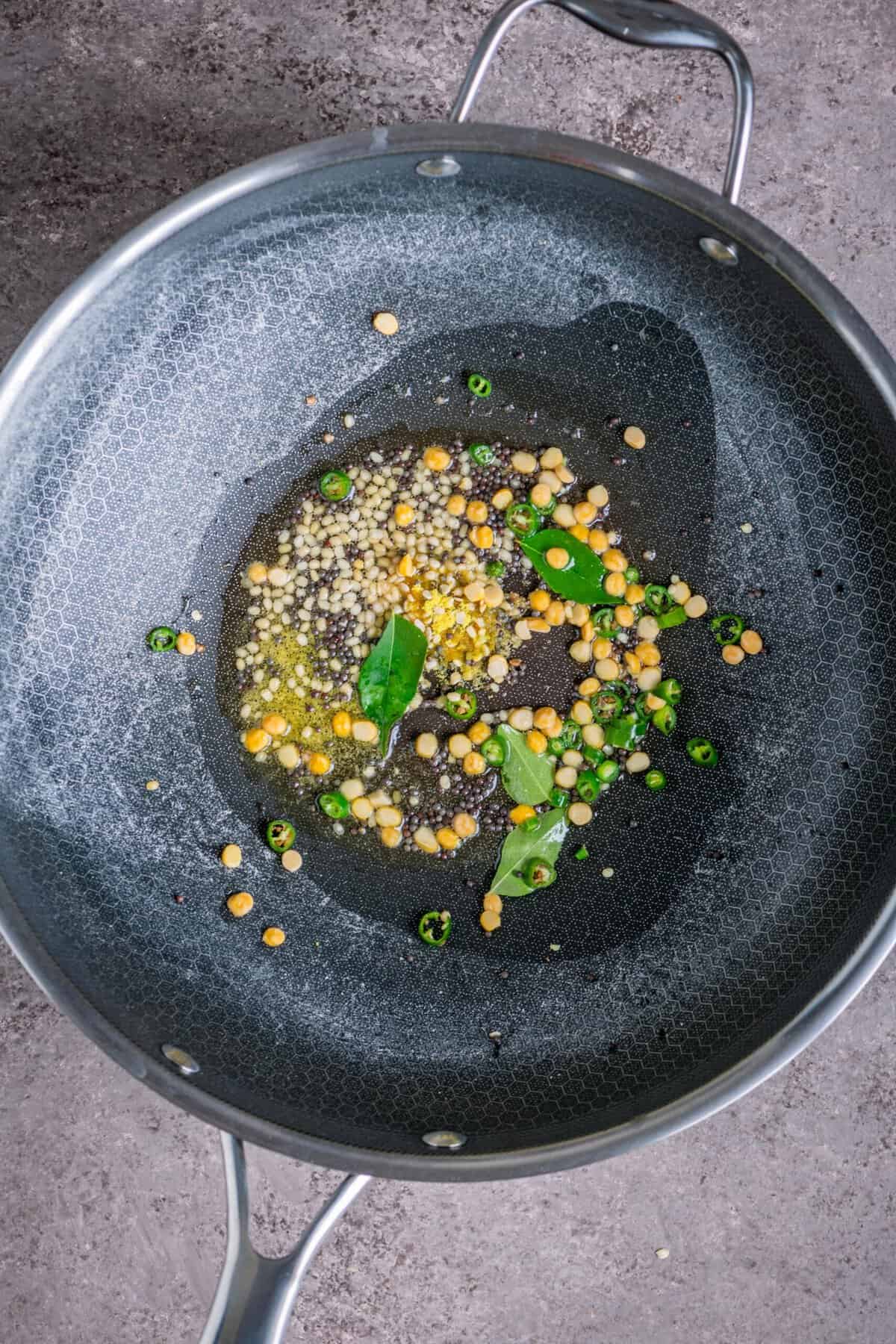
- Step 5: Heat vegan ghee in a heavy-bottomed pan. Add mustard seeds and allow them to crackle. Then add urad dal and drained chana dal. Fry for about 30 seconds until lightly golden. Add asafoetida, minced green chilies, and curry leaves. Saute briefly until fragrant.
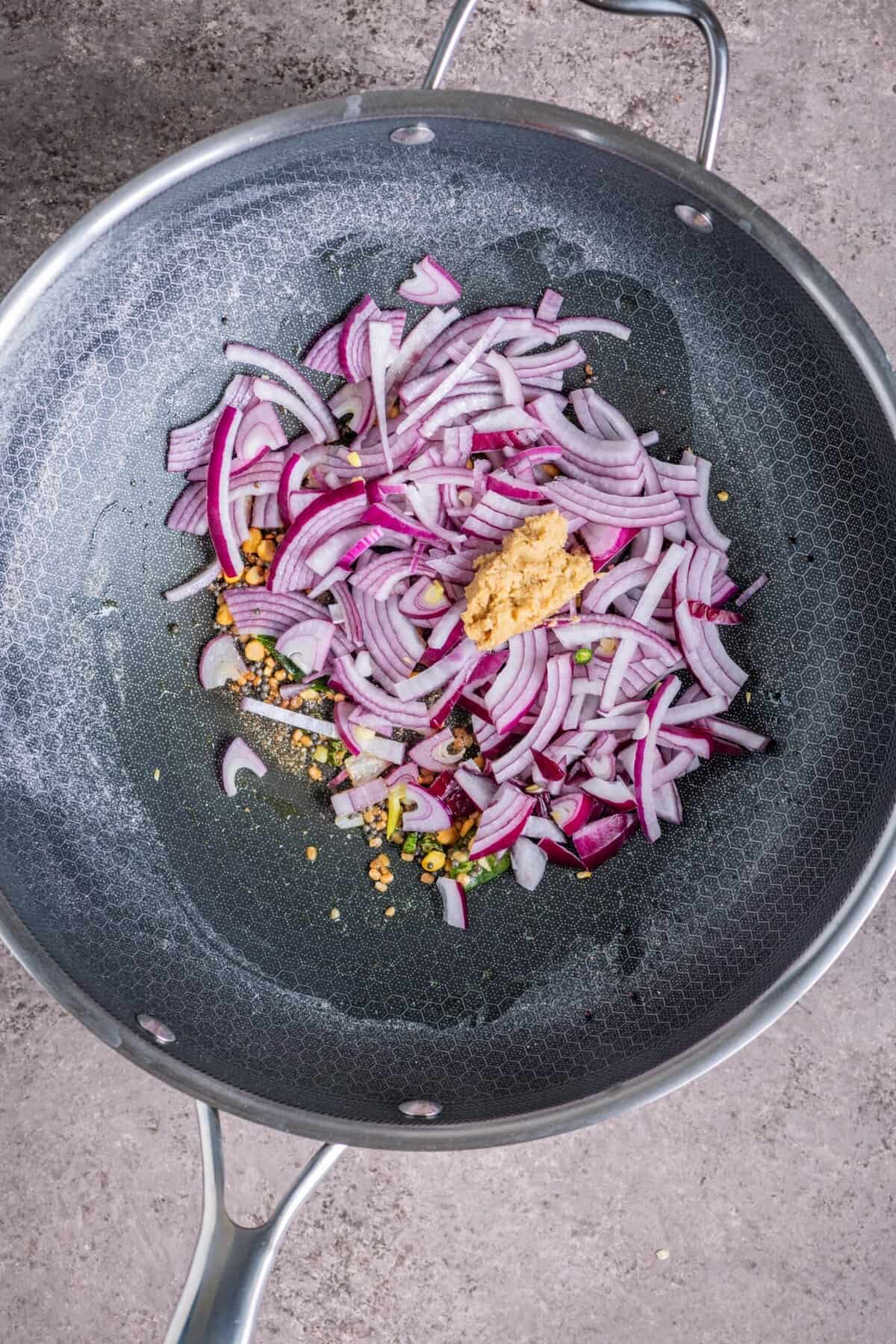
- Step 6: Add sliced onions and ginger paste. Saute until the onions turn translucent and slightly soft.
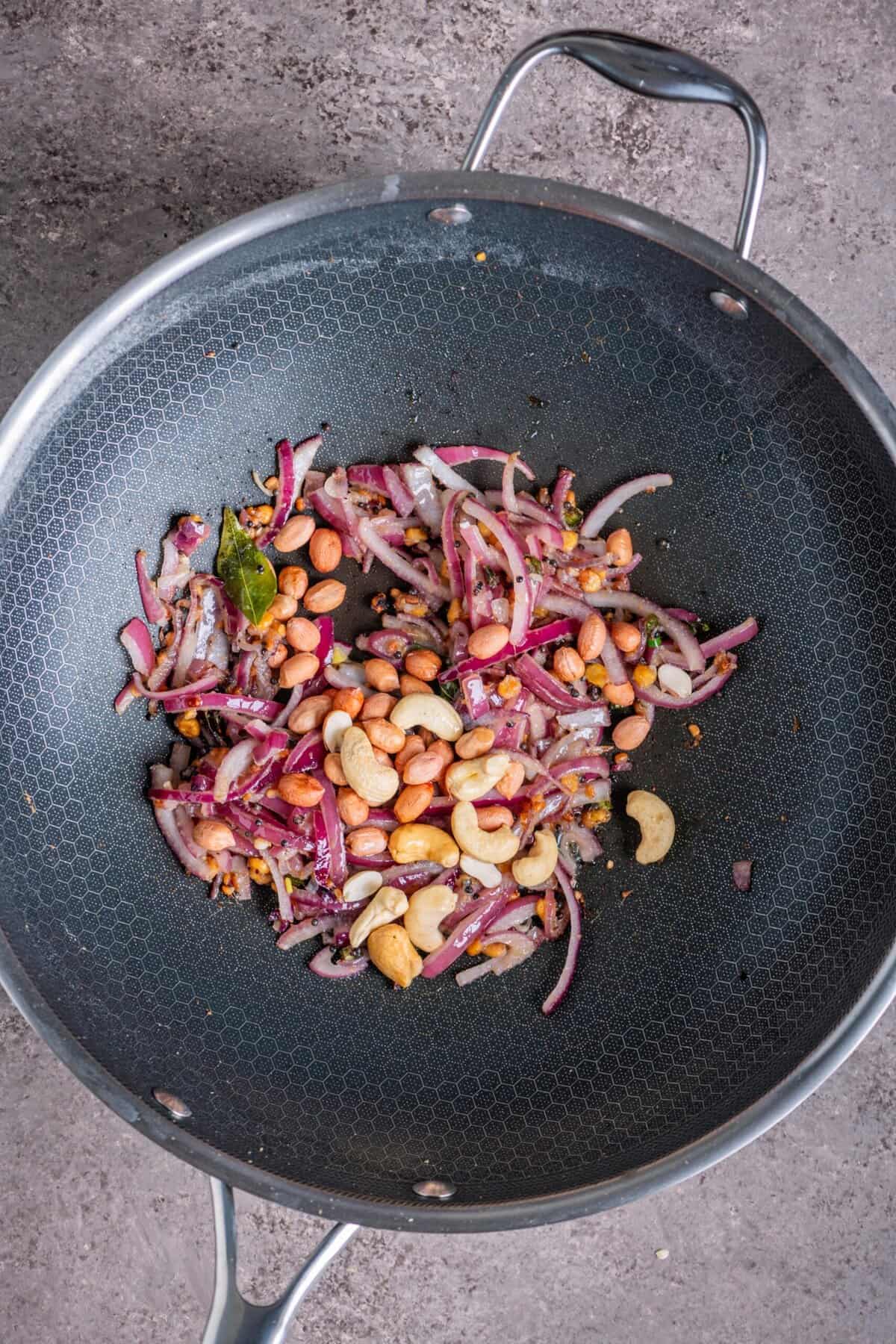
- Step 7: Stir in cashews and peanuts. Saute for about a minute until they turn lightly golden and aromatic.
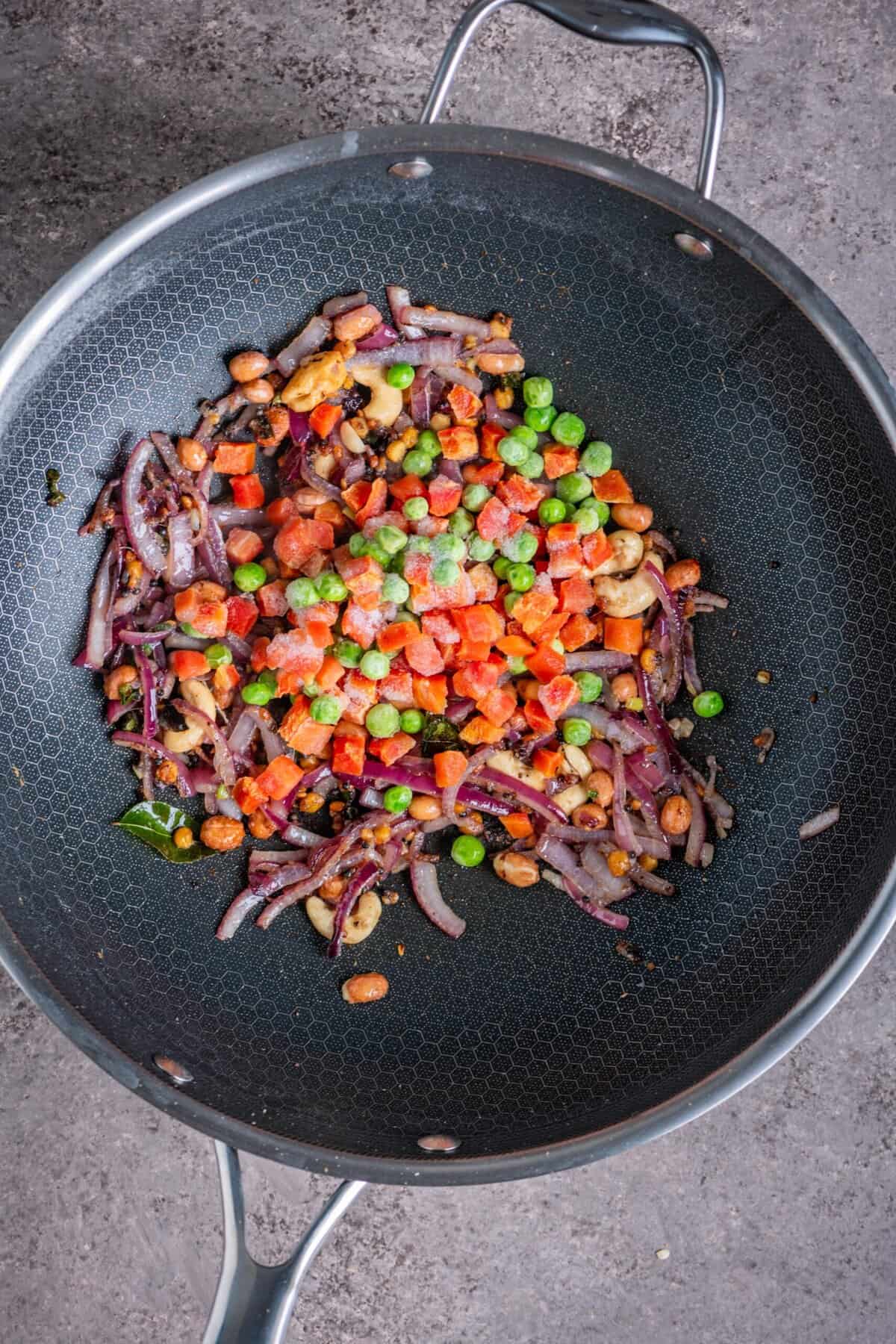
- Step 8: Add frozen green peas and chopped carrots. Saute for 2 minutes until slightly tender but still vibrant.
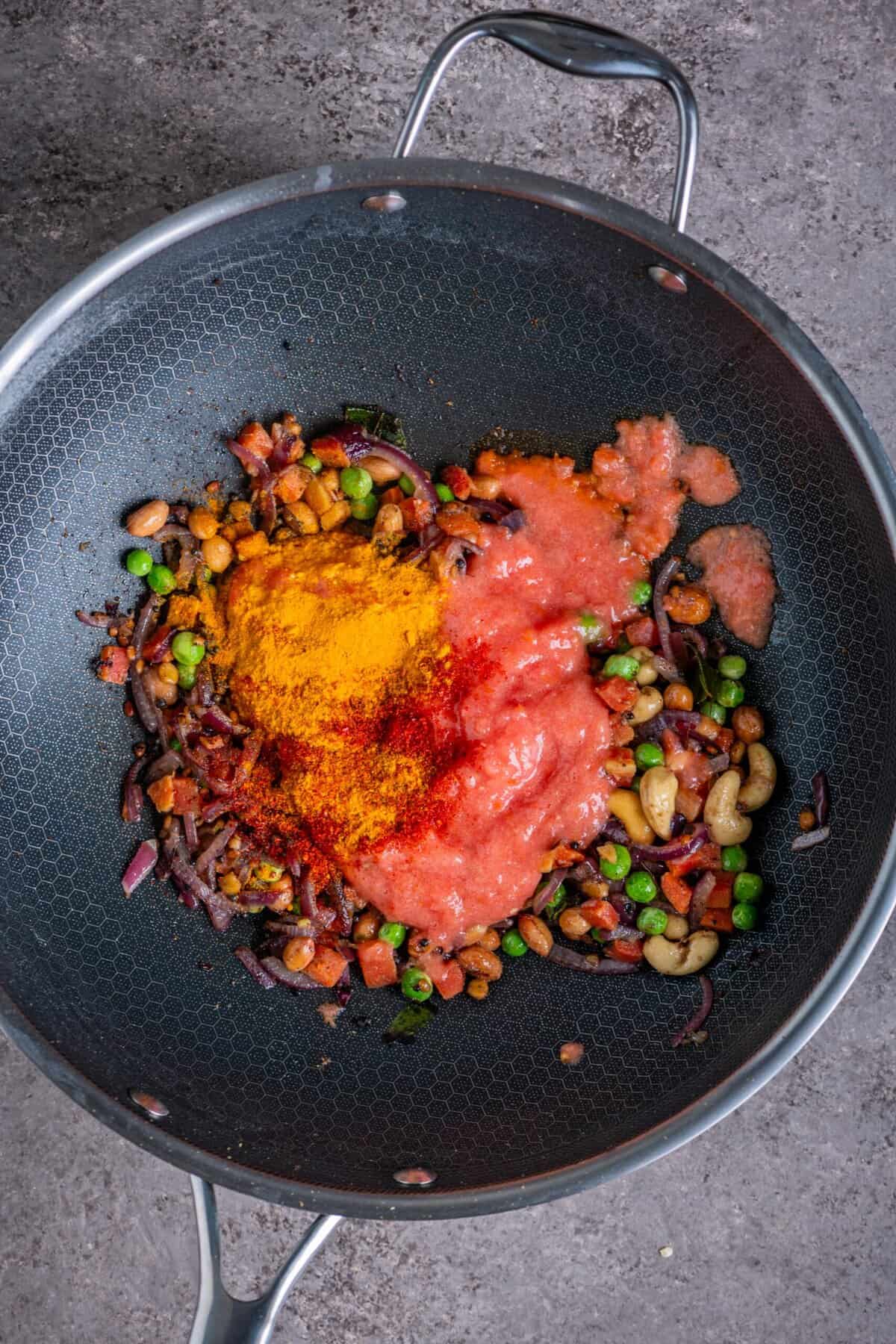
- Step 9: Add the tomato puree, red chilly powder, and turmeric powder. Cook for 3-4 minutes until the mixture thickens and the raw tomato smell disappears. Add a splash of water if needed to prevent sticking.
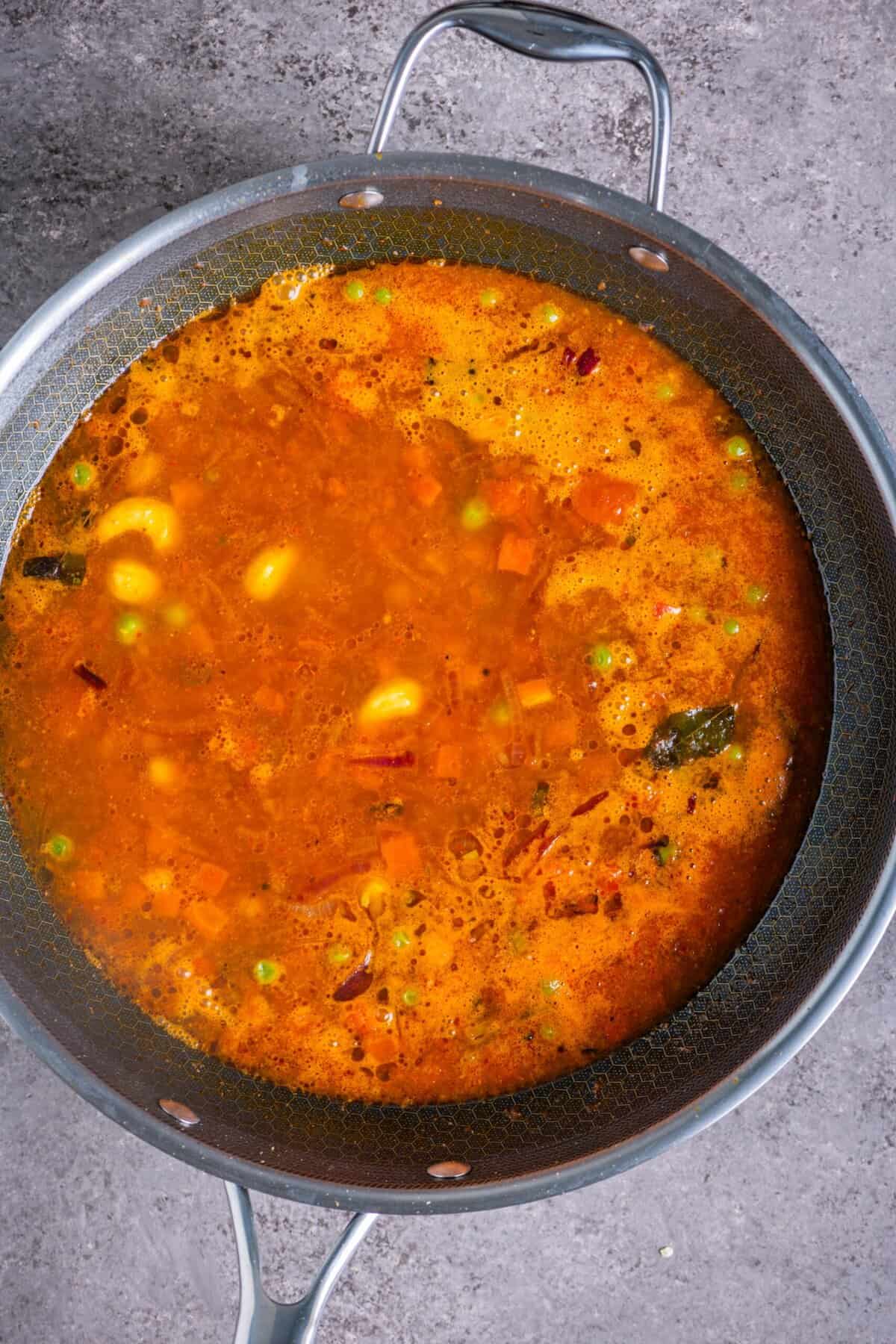
- Step 10: Pour in room temperature water and bring it to a boil. Add salt, sugar, and a teaspoon of vegan ghee for added richness. The correct water-to-rava ratio helps achieve soft, lump-free upma. Chef's Tip - add a teaspoon of vegan ghee in the boiling water. This prevents the upma from sticking to the pan.
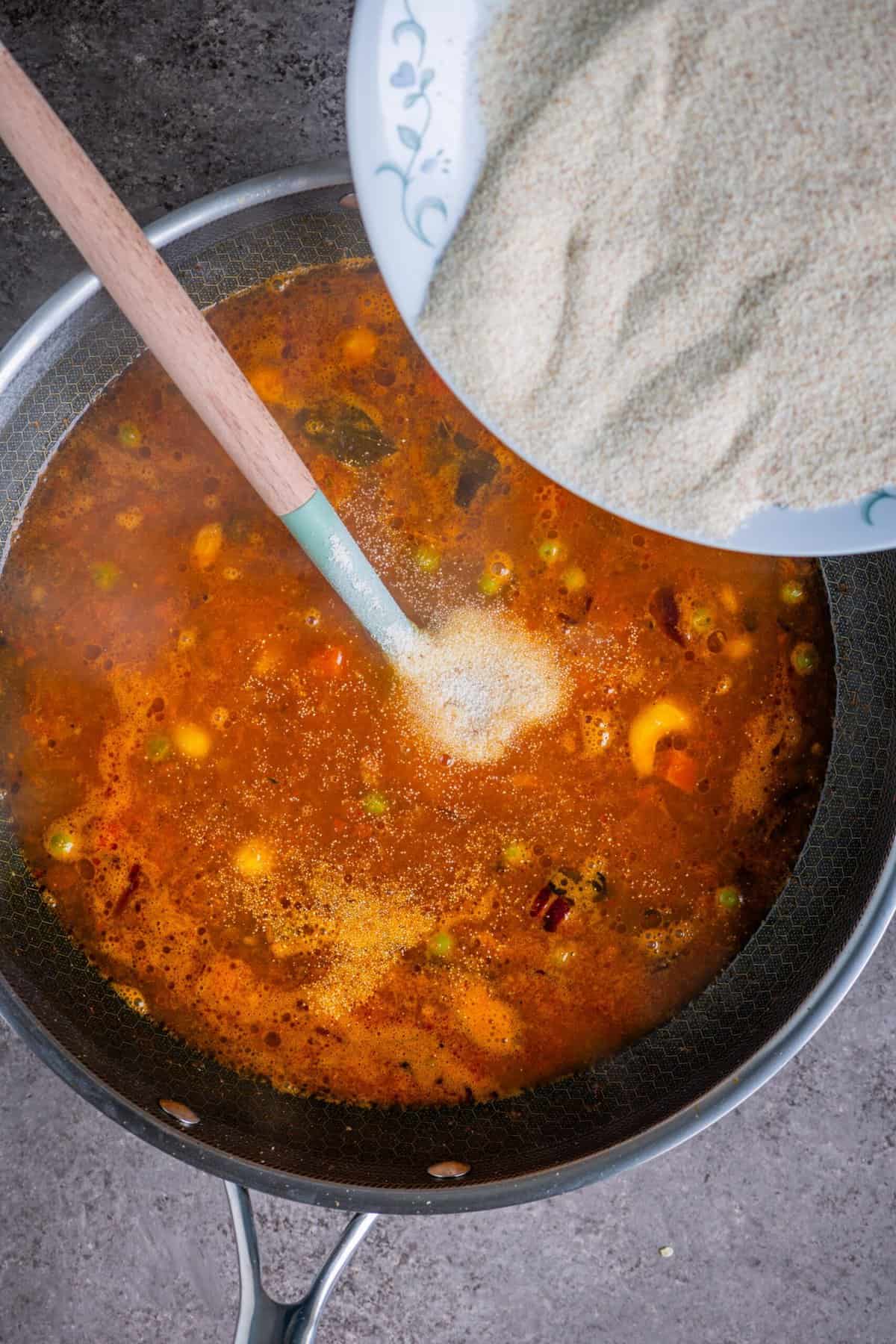
- Step 11: Lower the flame and slowly add the roasted rava while continuously stirring to prevent lumps. Mix well so the rava absorbs the liquid evenly. Chef's tip - Adding rava gradually is the secret to making smooth sooji upma. Keep whisking as you add the sooji. Do not add them all at once.
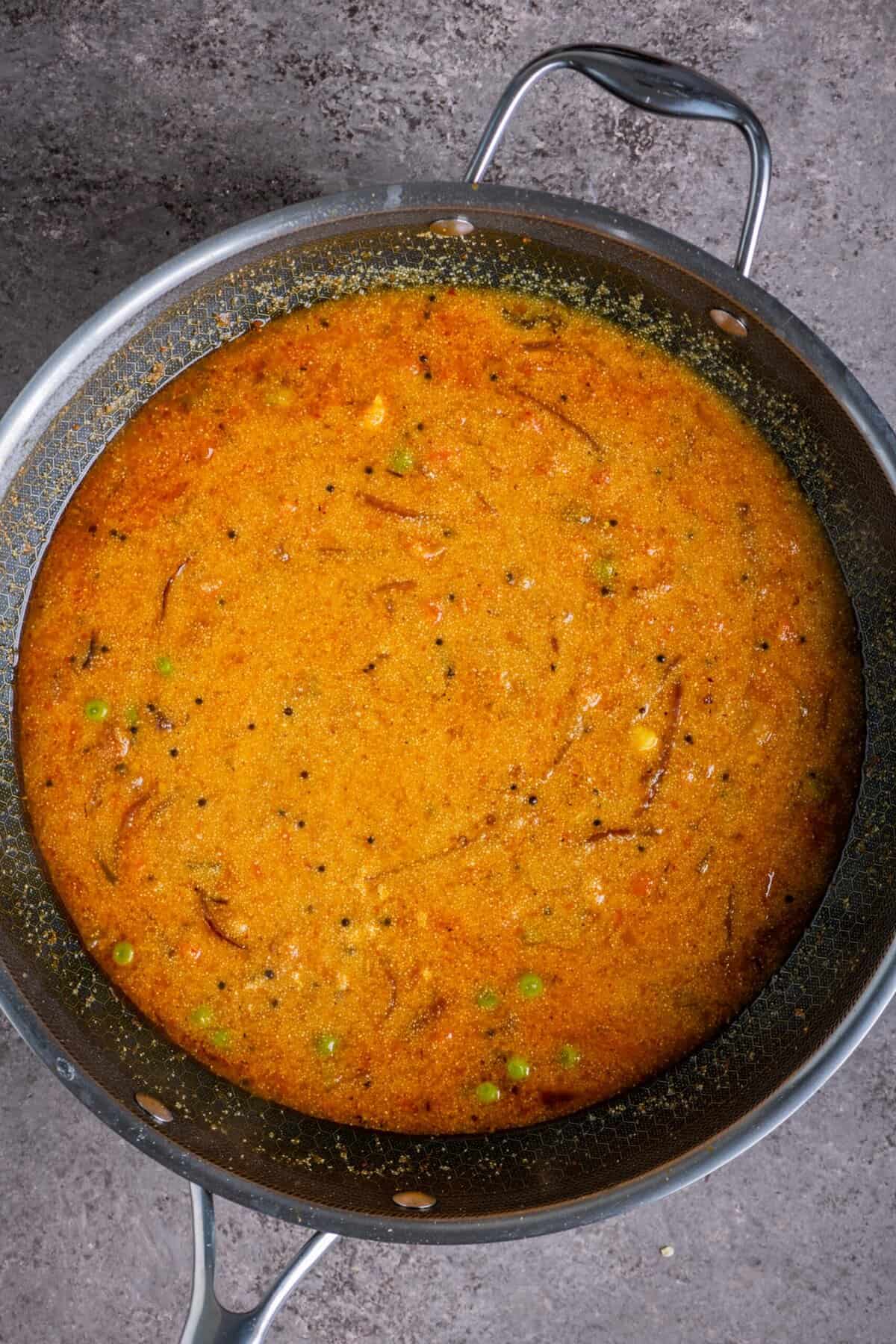
- Step 12: Increase heat to medium and cook stirring occasionally. The mixture will thicken. Cook for about 4-5 minutes until it stops sticking to the pan and all the water is absorbed.
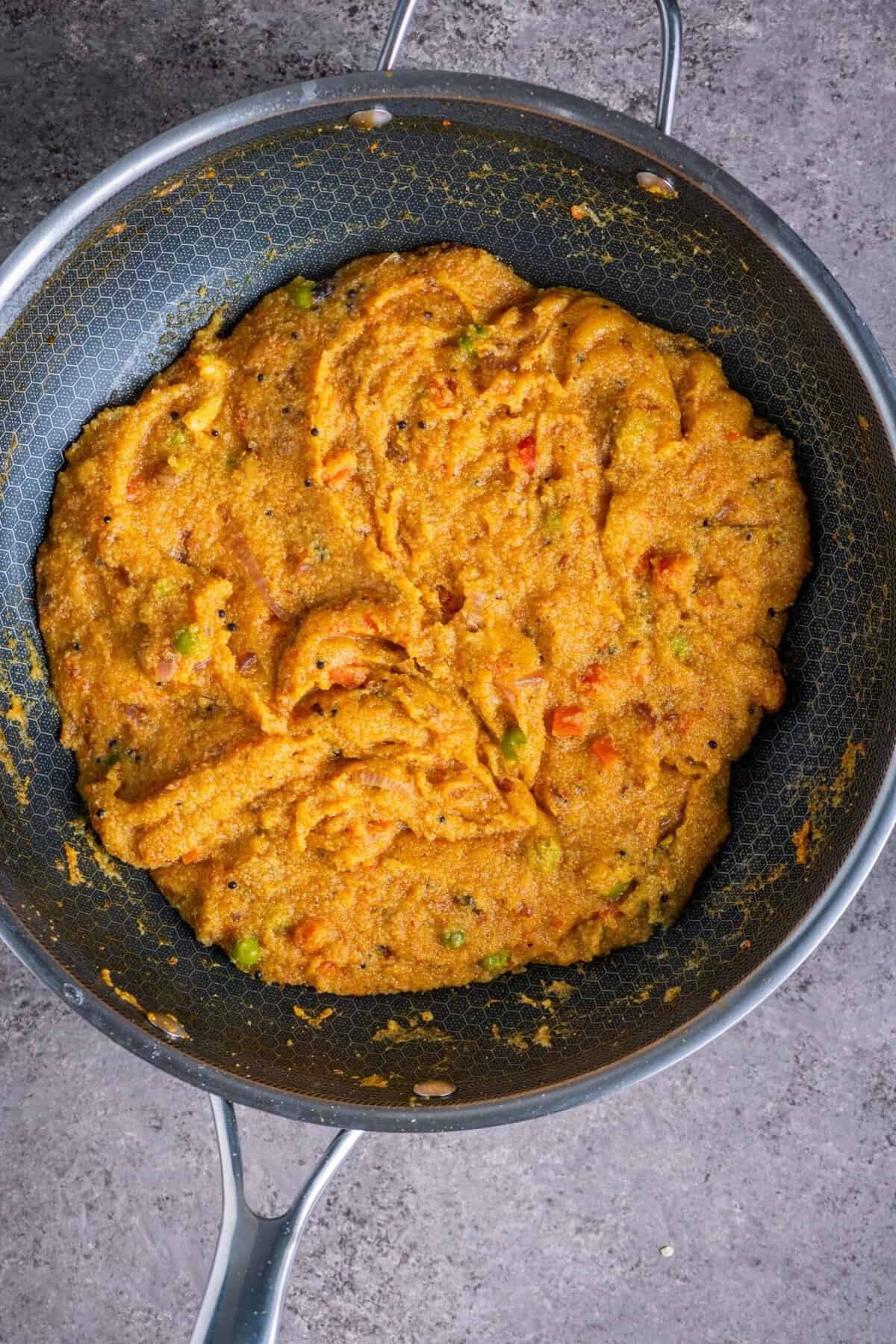
- Step 13: It will come together like a soft dough. Turn off the flame, add a tablespoon of vegan ghee, cover and let it rest for 2 minutes for the best texture. Resting helps the rava upma recipe become softer and fluffier.
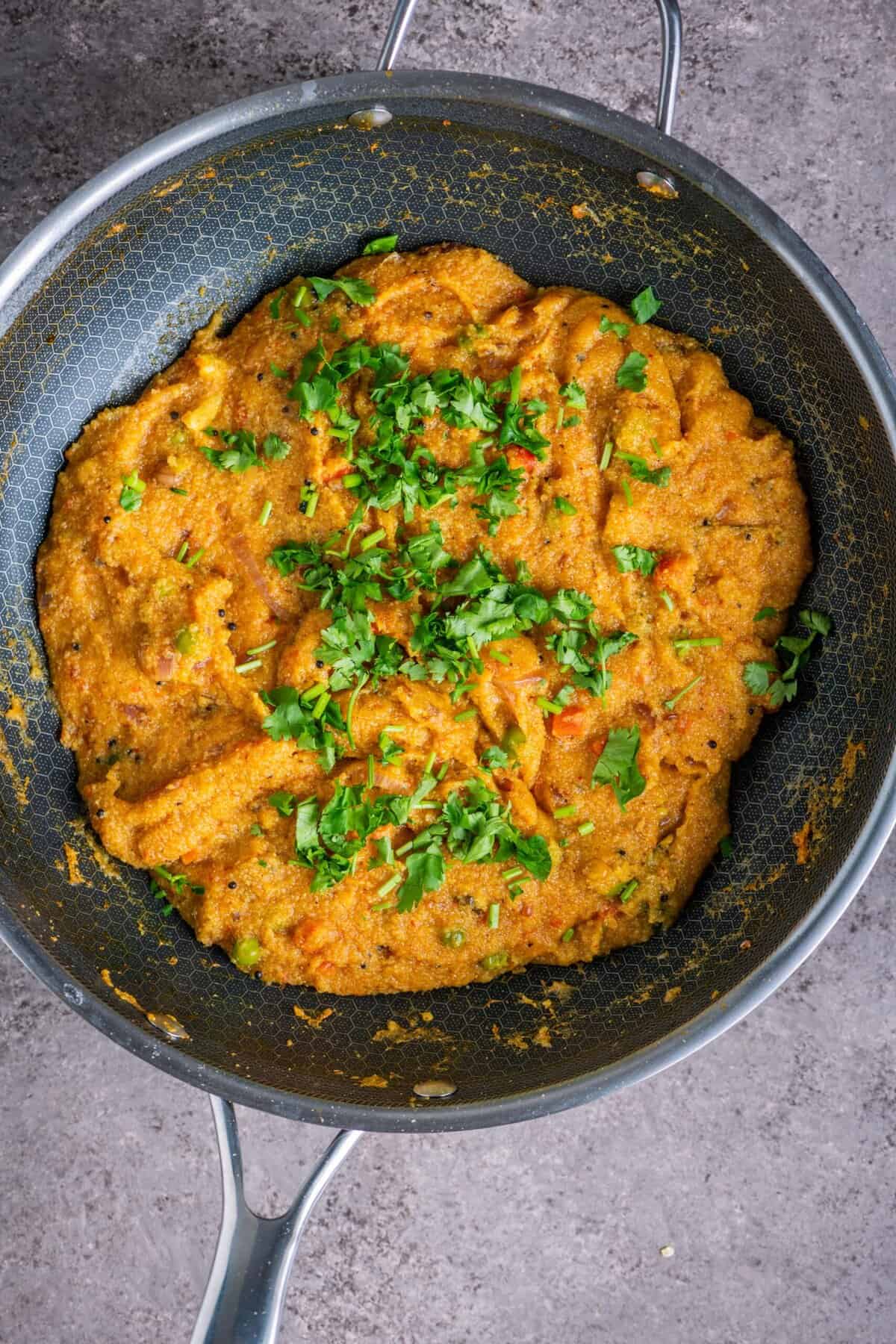
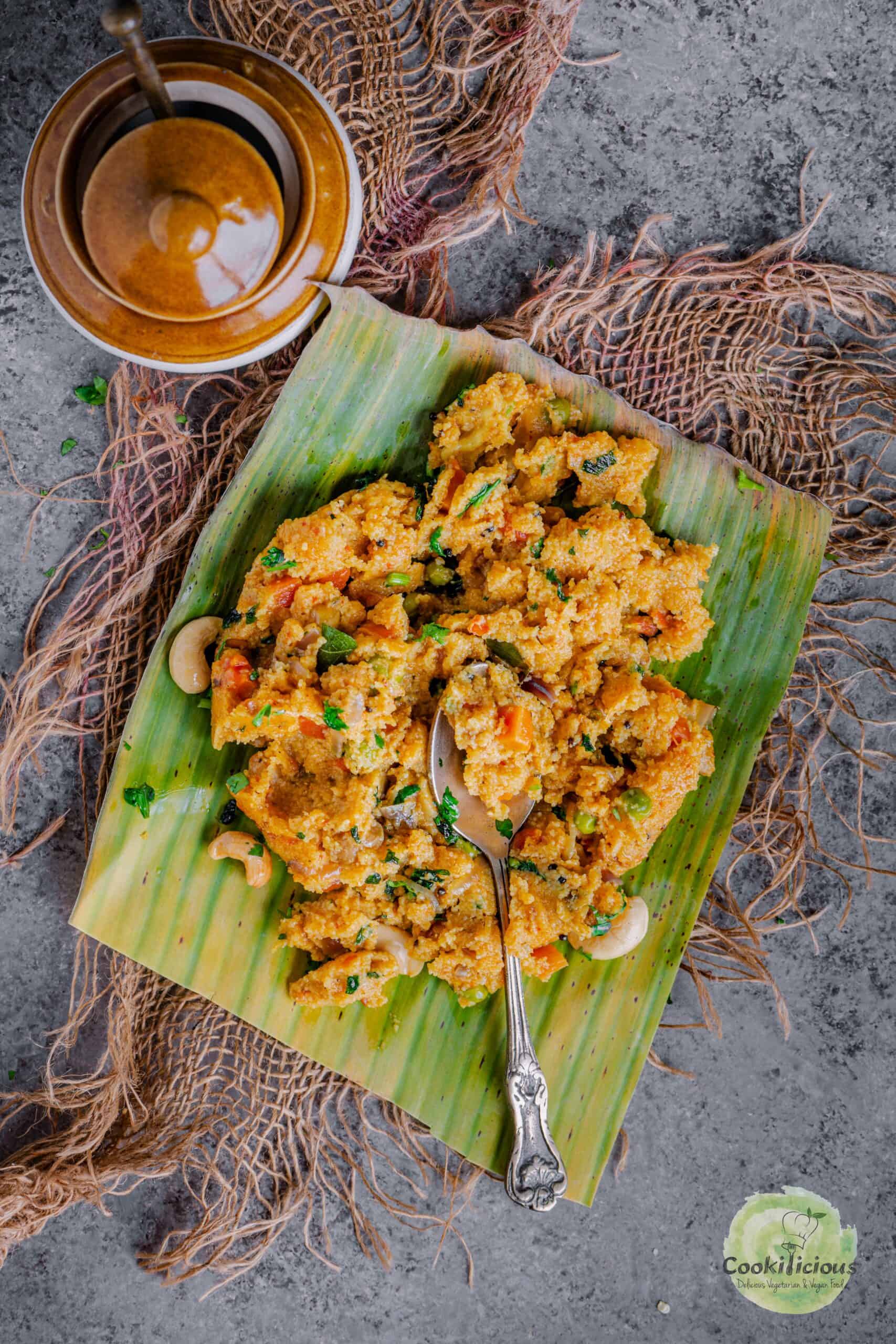
- Step 14: Garnish with freshly chopped cilantro. Drizzle vegan ghee and gently fluff with a fork, and serve hot.
Want to save this recipe?
🍽 Serving Suggestions
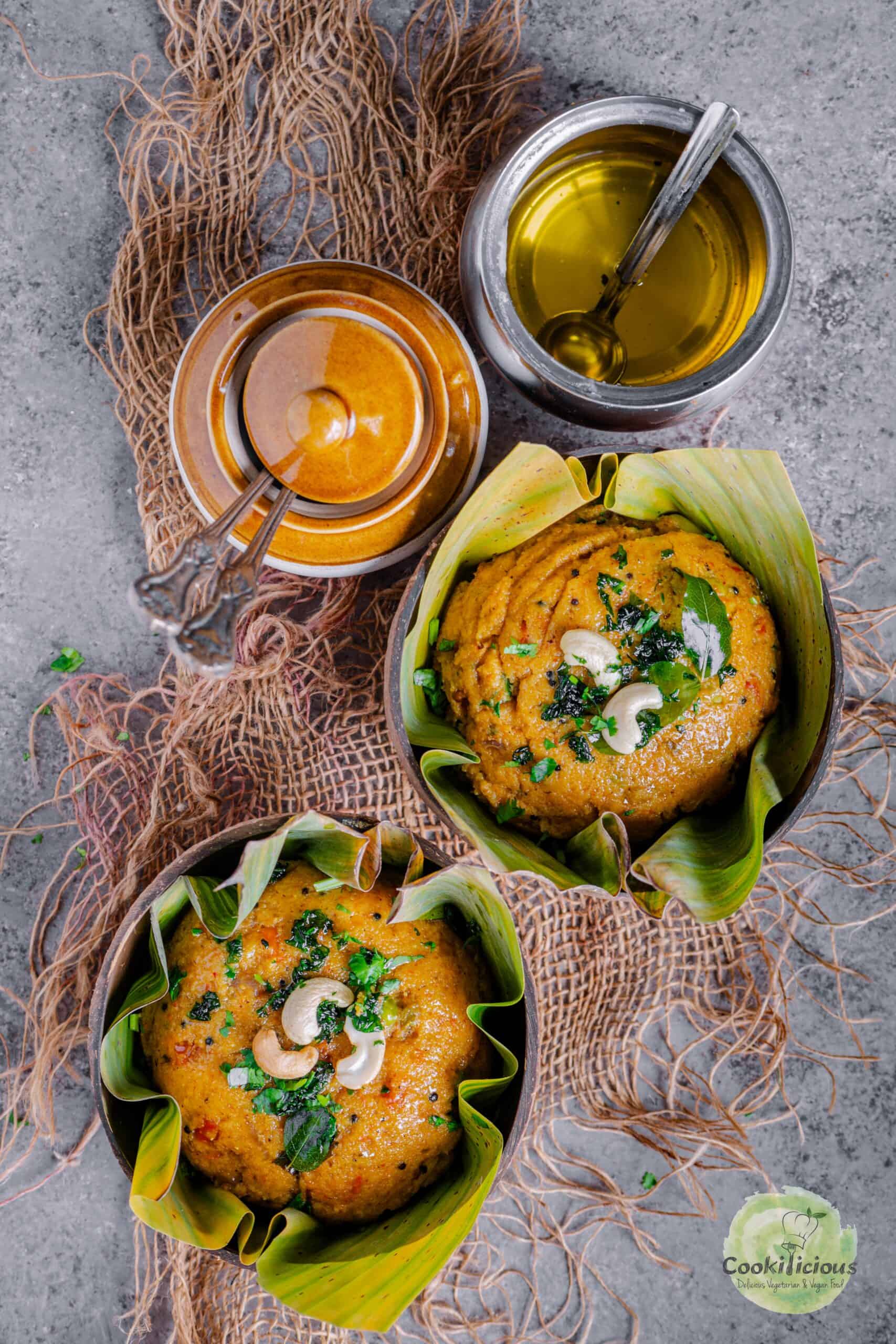
Serve Tomato Rava Upma hot or warm with coconut chutney, Bombay chutney, Andhra chutney, arachuvitta sambar, paruppu rasam, rasedar aloo, or even a simple mango pickle. These pairings beautifully complement the mildly tangy flavors of this comforting vegetable rava upma.
For extra texture, sprinkle some omapodi (sev) on top just before serving. In many Indian homes, freshly grated coconut, idli podi, or a squeeze of lemon juice is added as garnish to enhance the flavors of this classic South Indian upma recipe. Sometimes, we even sprinkle a little sugar on top - especially when serving kids - to balance the spice and bring out the tomato's natural sweetness. If you haven't tried this sweet-spicy combo yet, give it a go. It truly elevates the flavor!
This rava upma recipe works perfectly for breakfast or brunch, but it's just as satisfying as a light evening snack. Serve it alongside South Indian Filter Coffee, Masala Chai, Vegan Mocha Latte, or even Dalgona Coffee for a cozy meal.
Tomato rava upma is also lunchbox-friendly and travels well when packed warm. At our home, we enjoy it not just for breakfast, but sometimes for lunch and even dinner. Pair it with masala chaas popsicles, curd rice, or a simple yogurt-based side, and you have a wholesome, comforting Indian meal.
💭 Priya's Recipe Tips
Skip nuts if allergic or use sunflower seeds for crunch. Use the same measuring cup for rava and water, and for beginners, remove the pan from heat before adding roasted rava to boiling water to avoid lump formation. Water ratios may vary with semolina quality, and the color of the dish depends on ripe tomatoes and chili powder. Let it rest 2-3 minutes after cooking for a soft, fluffy texture.
Tomato Rava Upma FAQs 📖
For the perfect Tomato Rava Upma, use thick or coarse semolina, commonly labeled as Upma Rava or Bombay Rava in Indian grocery stores. This coarse variety gives your upma its signature fluffy, grainy texture. You can also buy pre-roasted rava to skip the roasting step at home - just make sure it's not labeled as semolina flour.
If you're in the US, Cream of Wheat from the breakfast cereal aisle works as a substitute; just roast it lightly before using. Avoid using idli rava, which is meant for making idlis and won't give the right texture.
Whether using fresh or store-roasted rava, roasting is essential. It brings out a nutty aroma, prevents the upma from becoming sticky, and ensures a soft, fluffy vegetable tomato rava upma every time.
The water and rava ratio that works for me is 1:4. For one cup of rava, I add 4 cups of water.
You can add a variety of vegetables to make it more colorful and nutritious. Try adding green beans, bell peppers, corn, edamame, spinach, potatoes, cauliflower, or broccoli. The trick is to chop them small. You can also make it without onions if you prefer, or swap tomato puree with palak (spinach) puree to make a vibrant Spinach Uppitu, or use beetroot puree for a naturally sweet Beetroot Upma.
For a simpler version, skip the puree and add finely chopped fresh tomatoes while sautéing the vegetables - the cooking method remains the same. Pair this with Tomato Chutney for a classic South Indian flavor.
You can also enhance the taste by adding sambar powder along with the basic spices, or experiment with the liquid used to cook the semolina. Instead of plain water, try tamarind water, milk, or Indian chaas (buttermilk) to give it a unique twist and richer flavor. With these variations, you can customize this upma recipe to suit your taste, dietary needs, or whatever vegetables you have on hand.
If you don't have rava or want to make it gluten-free, there are plenty of delicious substitutes. You can use ragi, lapsi, or dalia instead of semolina, or try quinoa or rolled oats, similar to Oats Upma or Quinoa Upma. Other alternatives include millets, semiya (vermicelli), or even cauliflower rice for a low-carb version. Adjust the water quantity as needed depending on the base you choose. In the US, you can also use Cream of Wheat from the breakfast cereal aisle - just roast it lightly before using it. These swaps allow you to enjoy the comforting flavors of tomato rava upma even without traditional semolina, while keeping it healthy, customizable, and versatile.
Yes! It's quick and hassle-free to make it in the Instant Pot. Start by turning the Instant Pot to sauté mode and follow the recipe to add the spices, vegetables, and tempered lentils in order. Once the base is ready, add pre-roasted rava along with hot water, deglazing the pot to ensure nothing sticks to the bottom. Cancel the sauté mode, close the lid, and pressure cook on manual mode for 2 minutes. Release the pressure immediately using the quick-release method.
Carefully remove the stainless steel insert, sprinkle chopped cilantro and a squeeze of lemon juice, and gently mix. Cover the pot with a glass lid and let it rest for 5 minutes. This helps it set slightly and prevents it from becoming mushy. The texture is soft, fluffy, and slightly porridge-like - similar to Instant Pot Masala Khichdi, or Quinoa Khichdi, making it a perfect, hands-off version of this classic South Indian snack recipe.
Leftovers can be stored in an airtight container in the fridge for 4-5 days. Since it tends to lose moisture, sprinkle a little water while reheating to bring back its soft, fluffy texture. Drizzling some vegan ghee over the warm upma enhances the flavor and richness, making it taste freshly made.
For longer storage, you can freeze rava upma for 2-3 months. Thaw it overnight in the fridge and reheat gently with a splash of water for a quick, comforting meal. You can also mash it slightly before reheating, as it tends to clamp together as it cools. Avoid overcooking while reheating to maintain the grainy texture of the semolina.
You can save time by roasting rava in bulk and storing it in an airtight container. This not only reduces the cooking time when making tomato rava upma but also extends the shelf life of the semolina.
Another great shortcut is to prepare an upma instant mix. Sauté all the spices, vegetables (minus the tomato puree), and lentils as per the recipe, then add the roasted rava and sauté for a few minutes. Let the mixture cool, transfer it to an airtight container, and store it in the fridge. When the craving hits, simply boil water, add this ready mix, and cook until it reaches the desired consistency. This method makes a quick, hassle-free tomato upma anytime, without compromising on flavor or texture.
More South Indian Recipes


Recipe 📖
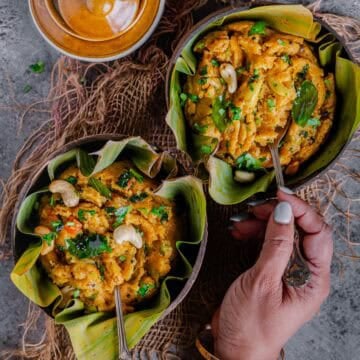
South Indian Tomato Rava Upma Recipe
Equipment
Ingredients
- 2 teaspoon chana dal
- 1 cup coarse rava
- 2 tomatoes
- 2 green chillies
- 1 onion
- 4 tablespoon vegan ghee
- 1 teaspoon mustard seeds
- 1 teaspoon urad dal
- ½ teaspoon GF asafoetida
- 5-6 fresh curry leaves
- 2 tablespoon cashews
- 2 tablespoon peanuts
- 1 teaspoon red chilly powder
- ½ teaspoon turmeric powder
- ½ cup frozen green peas and carrots
- 4 cups water
- salt
- ¼ cup cilantro
Instructions
- Soak chana dal in water for about 10 minutes. This helps the lentils soften slightly so they cook evenly and add a gentle crunch to the vegetable rava upma.
- Dry roast the coarse rava (sooji/semolina) in a wide pan over medium heat until it releases a nutty aroma and begins to look dry, separate, and slightly crisp. Keep stirring continuously so it roasts evenly and doesn't burn. This should take about 4-5 minutes. Do not let the rava brown. Immediately transfer the suji to a plate and set aside. Chef's Tip: For extra flavor, you can add 1 teaspoon of ghee while roasting the rava. Roasting properly is the key to making soft, fluffy rava upma that's light and non-sticky.
- Roughly chop the tomatoes. Finely chop the green chilies and thinly slice the onions. Keep all ingredients ready before starting, as this South Indian upma recipe comes together quickly.
- Blend the chopped tomatoes into a smooth puree. No need to add water, as tomatoes release enough moisture naturally.
- Heat vegan ghee in a heavy-bottomed pan. Add mustard seeds and allow them to crackle. Then add urad dal and drained chana dal. Fry for about 30 seconds until lightly golden. Add asafoetida, minced green chilies, and curry leaves. Saute briefly until fragrant.
- Add sliced onions and ginger paste. Saute until the onions turn translucent and slightly soft.
- Stir in cashews and peanuts. Saute for about a minute until they turn lightly golden and aromatic.
- Add frozen green peas and chopped carrots. Saute for 2 minutes until slightly tender but still vibrant.
- Add the tomato puree, red chilly powder, and turmeric powder. Cook for 3-4 minutes until the mixture thickens and the raw tomato smell disappears. Add a splash of water if needed to prevent sticking.
- Pour in room temperature water and bring it to a boil. Add salt, sugar, and a teaspoon of vegan ghee for added richness. The correct water-to-rava ratio helps achieve soft, lump-free upma. Chef's Tip - add a teaspoon of vegan ghee in the boiling water. This prevents the upma from sticking to the pan.
- Lower the flame and slowly add the roasted rava while continuously stirring to prevent lumps. Mix well so the rava absorbs the liquid evenly. Chef's tip - Adding rava gradually is the secret to making smooth sooji upma. Keep whisking as you add the sooji. Do not add them all at once.
- Increase heat to medium and cook stirring occasionally. The mixture will thicken. Cook for about 4-5 minutes until it stops sticking to the pan and all the water is absorbed.
- The upma will come together like a soft dough. Turn off the flame, add a tablespoon of vegan ghee, cover and let it rest for 2 minutes for the best texture. Resting helps the rava upma recipe become softer and fluffier.
- Garnish with freshly chopped cilantro. Drizzle vegan ghee and gently fluff with a fork, and serve hot.
Notes
- Skip nuts if allergic or use sunflower seeds for crunch.
- Use the same measuring cup for rava and water, and for beginners, remove the pan from heat before adding roasted rava to boiling water to avoid lump formation.
- Water ratios may vary with semolina quality, and the color of the upma depends on ripe tomatoes and chili powder.
- Let the upma rest 2-3 minutes after cooking for a soft, fluffy texture.



Leave a Reply